
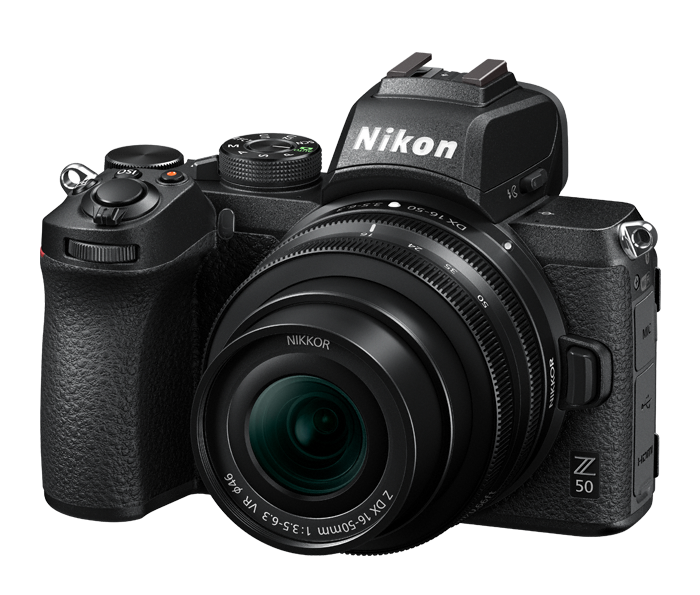
The Fujifilm X-H2S and Nikon Z50 are two popular APS-C mirrorless cameras that often capture the attention of photographers and videographers alike. The X-H2S is aimed at enthusiasts and professionals, offering advanced features and high performance, while the Z50 appeals to hobbyists and those entering the world of mirrorless photography. Buyers may be choosing between these two models based on their needs for image quality, autofocus performance, video capabilities, and overall user experience, making a detailed comparison essential.
Specifications Comparison
Detailed Comparison
Image Quality
In terms of image quality, the Fujifilm X-H2S features a 26-megapixel sensor that provides a bit more detail compared to the Nikon Z50's 21-megapixel sensor. The higher resolution of the X-H2S allows for larger prints and more cropping flexibility without sacrificing detail. Both cameras have similar APS-C sensor sizes, but the X-H2S benefits from Fujifilm's well-regarded color science, which provides vibrant colors and excellent skin tones. Conversely, the Z50, while offering decent image quality, may not quite match the color rendition and depth seen in the X-H2S.
Both cameras exhibit good high ISO performance, but the X-H2S has a broader ISO range, especially at lower ends, which can be beneficial for low-light photography. The Z50, however, offers an extraordinarily high expanded ISO of up to 204,800, appealing for extreme low-light conditions, albeit at the cost of quality. In practical scenarios, the X-H2S generally yields better results under various lighting conditions, making it more versatile for different photography domains such as landscape and portraiture.
Autofocus System
The autofocus system in the X-H2S boasts a total of 425 autofocus points, offering broad coverage and quick response times. This advanced system excels in tracking moving subjects, making it a superior choice for action photography, sports, and wildlife. In contrast, the Nikon Z50 has 209 autofocus points, which, while effective for many scenarios, may struggle under challenging conditions or fast-moving subjects.
Additionally, the X-H2S includes advanced features like subject detection for animals and faces, making it a standout option for photographers focused on capturing dynamically moving subjects. The Z50's autofocus is reliable and performs well in most conditions but might lack the depth of sophistication found in the X-H2S, particularly when it comes to tracking and continuous shooting.
Video Capabilities
For videographers, the Fujifilm X-H2S is a powerhouse, capable of recording 4K video at up to 60p, ensuring smooth playback and high-quality footage. This camera supports 10-bit internal recording and offers various video profiles, including F-Log, which is critical for professional-grade color grading in post-production. Moreover, the X-H2S features in-body stabilization of up to 7 stops, significantly enhancing handheld shooting stability.
On the other hand, the Nikon Z50 captures 4K video at 30p, which might suffice for many casual videographers but limits the options for those looking for higher frame rates. Without in-body stabilization, video shooters with the Z50 often rely on external stabilization solutions such as gimbals for smoother footage in motion. Consequently, while both cameras can serve video needs, the X-H2S is clearly tailored for more serious video work.
Build & Ergonomics
The Fujifilm X-H2S has a larger body weighing 660g and dimensions of 136 x 93 x 95 mm, which, while substantial, provides more room for buttons, controls, and a better grip that many photographers appreciate. Furthermore, the X-H2S is also fully weather-sealed, ensuring resilience against elements such as rain and dust, making it suitable for outdoor shoots in a variety of weather conditions.
In comparison, the Nikon Z50 is more compact and lighter at 450g with dimensions of 127 x 94 x 60 mm, which can be a significant advantage for those looking for a portable and lightweight option. However, the Z50 still features a decent ergonomic design, but it does not meet the weather-sealing rating of the X-H2S. Users who frequently photograph in challenging environments might favor the X-H2S for its sturdiness and robustness.
Battery & Storage
The Fujifilm X-H2S features a respectable battery life of around 580 shots per charge, allowing for longer shooting sessions with less frequent battery changes or recharges. It uses a larger NP-W235 battery, which contributes to extended usage periods, especially beneficial during events or for travel photography.
In contrast, the Nikon Z50 has a lower battery life, rated at approximately 320 shots per charge. This lower capacity may require more attention to battery management, particularly for long shooting days. While both cameras utilize SD cards for storage, the X-H2S supports faster UHS-II cards, which is advantageous for high-speed continuous shooting and video recording, whereas the Z50 supports standard UHS-I cards. Thus, the X-H2S edges ahead in terms of battery life and storage performance.
Value for Money
When it comes to cost, the Fujifilm X-H2S is positioned at a price point of $2499, reflecting its advanced features, superior performance, and target market of professionals and serious enthusiasts. For buyers requiring high-end features for photography and videography, the investment may be justified, especially for those who prioritize image quality and performance.
On the other hand, the Nikon Z50 is priced at $859, making it an attractive option for amateur photographers or those new to the mirrorless camera ecosystem. This lower price point does come with trade-offs in terms of performance, video capabilities, and features, but it presents a very appealing proposition for its target demographic.
In scenarios where budget is a key consideration, the Z50 represents significant value, especially for entry-level users. However, for those needing advanced features, the Fujifilm X-H2S provides better long-term value in professional settings.
Our Verdict
Overall, the Fujifilm X-H2S emerges as the clear winner, particularly for serious photographers and videographers seeking high image quality and extensive feature sets. It excels in multiple areas, including autofocus, video recording capabilities, and robust build quality, making it suitable for professional use and challenging shooting environments. However, the Nikon Z50 remains a commendable choice for budget-conscious buyers or those just starting their photography journey, as its value is undeniable for entry-level use, offering a solid experience without breaking the bank.
Fujifilm X-H2S
Nikon Z50
Also Compare
Frequently Asked Questions
Which camera is better for beginner photographers?
The Nikon Z50 is generally considered more beginner-friendly due to its simpler interface, lighter weight, and lower price. It is a great option for those new to photography.
Can the Fujifilm X-H2S handle low-light photography well?
Yes, the X-H2S performs exceptionally well in low light conditions, thanks to its higher megapixel count and broader ISO range, making it suitable for challenging lighting situations.
Is the video capability of the Z50 sufficient for vlogging?
Yes, the Z50 can perform adequately for casual vlogging, but its lack of higher frame rate options and in-body stabilization might limit professional quality.
Do both cameras have a good selection of lenses?
Both cameras feature a growing ecosystem of lenses, but Fujifilm's lens lineup is particularly well-regarded for quality, with options specifically designed for their cameras.
Will I need to invest in accessories right away?
With the Z50, you may not need many accessories initially, while the X-H2S may benefit from additional lenses, batteries, and stabilization equipment, especially for serious video work.