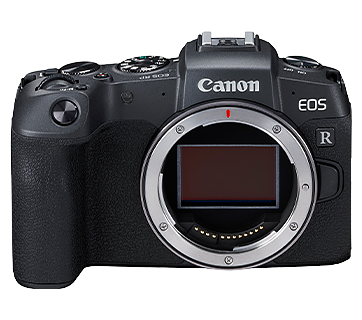

The Canon EOS RP and Sony A7S III are two prominent mirrorless cameras that cater to different segments of the photography and videography market. The EOS RP, being a more affordable full-frame option, appeals to entry-level users and enthusiast photographers who seek a versatile camera without breaking the bank. In contrast, the A7S III is aimed at professionals and serious videographers, offering advanced features and exceptional low-light performance that comes at a premium price. This comparison is particularly relevant for those who are choosing between a budget-friendly full-frame option and a high-end camera noted for its video capabilities and superior autofocus system.
Specifications Comparison
Detailed Comparison
Image Quality
The Canon EOS RP features a 26-megapixel sensor, which provides a higher resolution than the Sony A7S III's 12-megapixel sensor. Higher megapixels can translate to better detail in images, especially in large prints or when cropping. The RP performs well in daylight and good lighting conditions, delivering vibrant colors and sharp images. However, the A7S III's lower megapixel count allows for larger individual pixels, which can enhance low-light performance significantly due to reduced noise levels. Those who frequently shoot in dark environments will find the A7S III excels due to its ISO range that expands to 409600, compared to the RP's maximum of 102400. While both cameras deliver excellent image quality, the choice largely depends on shooting preferences, such as the importance of resolution versus low-light capabilities.
Autofocus System
The autofocus systems of both cameras demonstrate remarkable capabilities, but they differ in key specifications. The Canon EOS RP has 4779 autofocus points, providing extensive coverage across the frame and enabling accurate subject tracking. In contrast, the Sony A7S III features 759 autofocus points that are known for their speed and reliability, especially in continuous shooting scenarios. This makes the A7S III particularly appealing for action photography and videography. Additionally, the A7S III employs advanced Real-Time Eye autofocus for both humans and animals, making it a superior choice for portrait and wildlife photographers. Although the RP's autofocus is commendable, the added precision and speed of the A7S III's system give it a competitive edge.
Video Capabilities
When it comes to video capabilities, the Sony A7S III is a clear winner. It offers impressive 4K recording at up to 120 frames per second, allowing for high-quality slow-motion footage that cinephiles appreciate. The A7S III also supports 10-bit 4:2:2 internal recording, providing filmmakers with greater color depth and flexibility in post-production. On the other hand, the Canon EOS RP is limited to 4K at only 24 frames per second, which is less versatile for high-frame-rate applications. Additionally, the lack of in-body stabilization in the EOS RP makes handheld shooting less stable compared to the A7S III, which features 5.5 stops of in-body stabilization. Overall, for filmmakers and content creators, the A7S III's advanced video features set it apart.
Build & Ergonomics
Both cameras offer electronic viewfinders and external controls, but they cater to slightly different user needs. The Canon EOS RP is lighter at 485 grams and has smaller dimensions, making it a portable option for casual outings and travel photography. However, the A7S III weighs 699 grams and features a more robust build with weather sealing, which is advantageous for users who work in various environments and lighting conditions. The RP, while comfortable, lacks the same level of durability, which may concern photographers who venture into challenging settings. Conversely, the A7S III's larger grip and control layout are ideal for extended shooting sessions, particularly for professionals who require quick adjustments.
Battery & Storage
Battery life is a critical aspect for both still and video shooters, and here the Sony A7S III has the advantage with a rated battery life of around 600 shots compared to the Canon EOS RP's 250 shots. This is particularly significant for videographers who need to shoot longer clips without changing batteries frequently. In terms of storage, both cameras utilize SD cards, but the A7S III supports CFexpress Type A cards, offering faster write speeds suitable for high-resolution video recording. This duo of extended battery life and versatile storage options make the A7S III a better choice for demanding workflows, while the RP might suit those with less intensive needs.
Value for Money
The Canon EOS RP is priced at $1299, making it an attractive full-frame option for enthusiasts and those new to photography. It offers a balance of features catering to casual photographers who are looking to step up from APS-C models without investing heavily. Meanwhile, the Sony A7S III's price of $3499 reflects its advanced capabilities, particularly for video production, making it a tool for professionals who need the best tools available. While the A7S III offers superior quality and features, the price difference is significant, and potential buyers should weigh their specific needs against their budget. The RP provides excellent value for those prioritizing still photography over video, while the A7S III caters better to high-end video production needs.
Our Verdict
While the Canon EOS RP offers an accessible entry into full-frame photography with good image quality and a competitive price, the Sony A7S III shines in nearly every aspect critical to professionals, particularly in low-light performance, autofocus effectiveness, and video capabilities. Buyers seeking a capable, budget-friendly full-frame option will find the RP appealing, whereas those engaged in serious videography or needing advanced features will benefit significantly from the A7S III. Overall, the A7S III is the superior choice for professionals, making it the overall winner in this comparison.
Canon EOS RP
Sony A7S III
Also Compare
Frequently Asked Questions
Which camera is better for low-light photography?
The Sony A7S III is better for low-light photography due to its larger individual pixels, lower megapixel count, and an extended ISO range, allowing for cleaner images in challenging lighting conditions.
Can the Canon EOS RP shoot 4K video?
Yes, the Canon EOS RP can shoot 4K video, but it is limited to 24 frames per second and lacks in-body stabilization.
What is the major difference in autofocus capabilities?
The Sony A7S III has a more advanced autofocus system with 759 points and features like Real-Time Eye autofocus, providing faster and more reliable focusing compared to the Canon EOS RP.
How do the battery lives compare?
The Sony A7S III significantly outperforms the Canon EOS RP in battery life, offering approximately 600 shots per charge compared to the RP's 250 shots.
Is the Canon EOS RP suitable for professional use?
While the Canon EOS RP can be used for professional purposes, especially in still photography, it is not recommended for high-demand video production, where the Sony A7S III excels.