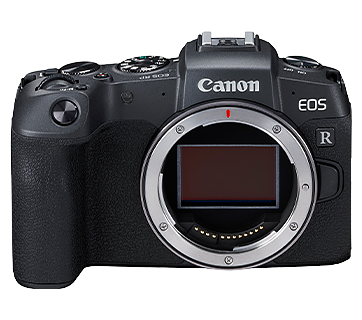
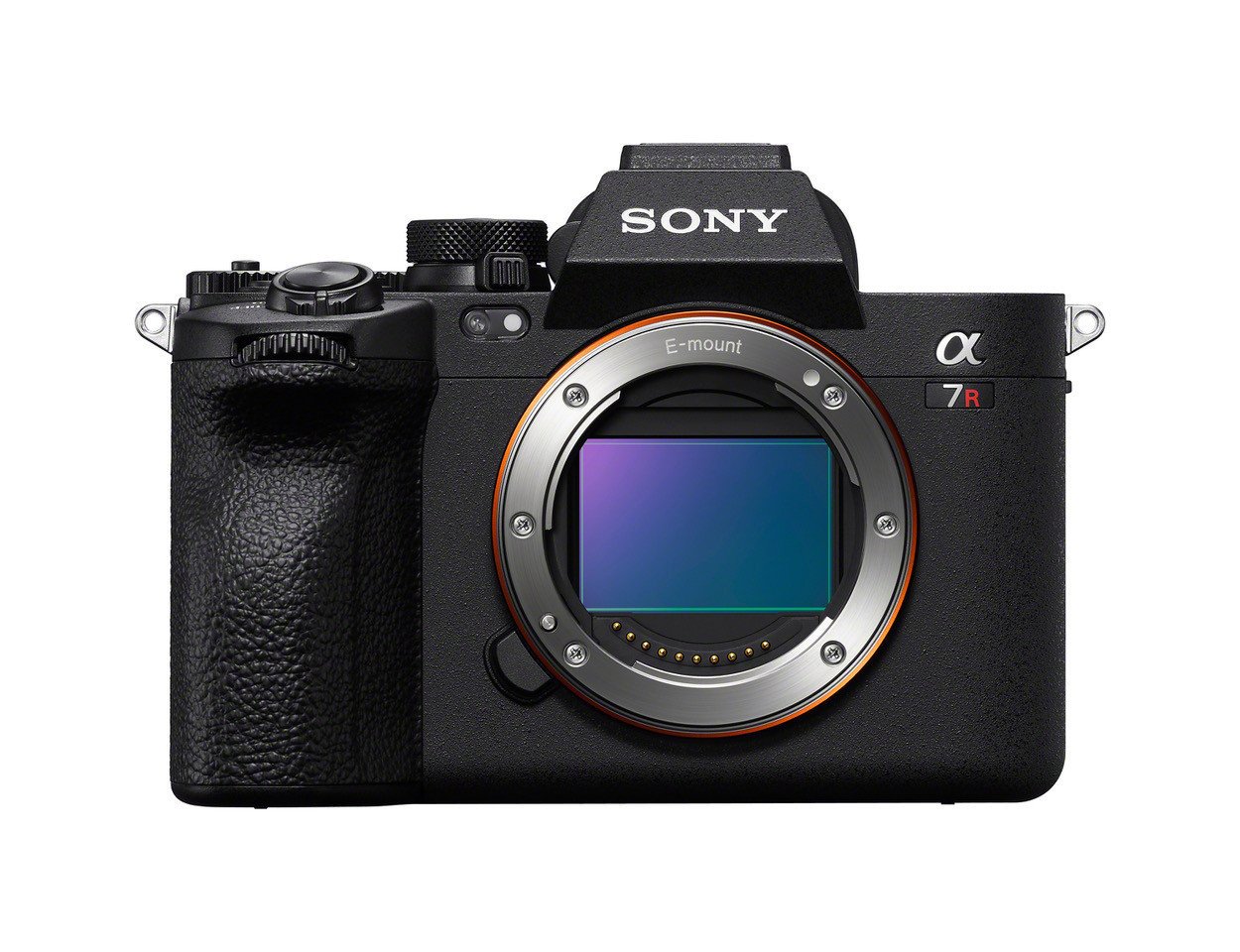
The Canon EOS RP and Sony A7R V are two full-frame mirrorless cameras that frequently pique the interest of photography enthusiasts and professionals alike. The Canon EOS RP, released in 2019, offers a more entry-level full-frame option with a focus on portability and affordability, making it attractive for amateurs and casual photographers. On the other hand, the Sony A7R V, launched in 2022, caters to advanced users seeking high-resolution images and extensive features, making it ideal for professionals and serious hobbyists who demand superior image quality and performance. Choosing between these two comes down to a balance of image quality, functionality, and overall investment based on user needs.
The key differentiators between the two cameras lie in their resolution, autofocus capabilities, video features, and ergonomics. The A7R V boasts a staggering 60 megapixels compared to the RP's 26 megapixels, which makes it a clear choice for photographers needing high detail, particularly in landscape or commercial photography. Additionally, the A7R V offers more advanced video capabilities, with support for 4K at 60 frames per second, contrasting with the RP's 4K at 24 frames per second. However, the EOS RP has an attractive price point, making it a solid choice for those looking to enter the full-frame world without breaking the bank.
Specifications Comparison
Detailed Comparison
Image Quality
When it comes to image quality, the Sony A7R V significantly outperforms the Canon EOS RP due to its higher resolution sensor, which boasts 60 megapixels against the RP's 26 megapixels. This increased resolution allows for capturing fine details, which is particularly beneficial for large prints or cropping images without losing clarity. Additionally, both cameras offer similar ISO ranges, with both optimally performing in low light. However, in practical terms, the A7R V's superior resolution helps retain detail in challenging conditions, giving it an edge in image fidelity.
While the EOS RP produces excellent images that are sharp and vibrant within its capabilities, it cannot match the A7R V for detail-driven applications. The color science differs slightly between the two, with Canon's offerings often producing warm skin tones, which some users may prefer for portrait photography, while Sony tends to lean towards a neutral color representation. This ultimately comes down to user preference.
In summary, for those prioritizing resolution and detail, especially for professional work, the winner here is clearly the A7R V, yet the RP still delivers great quality in a more budget-friendly package.
Autofocus System
The autofocus system is a crucial aspect of both cameras, and the A7R V impressively features 693 autofocus points compared to the RP's 4779 points. This translates to more accurate and faster focusing, particularly in dynamic environments. The A7R V utilizes advanced Eye AF technology that excels in tracking moving subjects, making it a standout option for wildlife and sports photography.
On the other hand, the Canon EOS RP offers Dual Pixel AF, which is recognized for its effective focusing in video as well as still photography. While the RP's autofocus is reliable and performs well in most scenarios, it cannot quite match the sophistication of the A7R V's system.
As a result, in varied shooting conditions, the enhanced autofocus capability of the A7R V gives it a definitive advantage, making it the better choice for professionals who require rapid and precise focusing.
Video Capabilities
For video production, the Sony A7R V's capabilities are far superior, offering 4K recording at 60 frames per second, which is ideal for smooth, high-resolution video capturing. It also supports 10-bit 4:2:2 recording, providing a wider color depth crucial for post-production work. In comparison, the Canon EOS RP is limited to 4K at 24 frames per second without high frame rate options, making it less versatile for dynamic video applications.
Additionally, the A7R V's video features include advanced stabilization options, allowing for smoother footage even when shooting handheld. In contrast, the EOS RP lacks in-body stabilization, which can lead to shaky videos if the shooter isn't using a stable tripod.
Overall, for content creators aiming for the best video quality and features, the A7R V is the clear victor in this category.
Build & Ergonomics
Size and ergonomics play an important role in user experience. The Canon EOS RP is lighter at 485g and more compact compared to the Sony A7R V's weight of 723g. The EOS RP's dimensions make it a highly portable option, ideal for those who prioritize travel and ease of carrying. The layout of controls on the RP is simple and intuitive, appealing to beginners or casual enthusiasts.
Conversely, the A7R V is built sturdily with weather sealing, which provides an advantage in rugged environments or adverse weather conditions. The grip quality, button layout, and larger screen add to the ergonomics of the A7R V, making it comfortable for prolonged use, particularly for professionals who might spend hours shooting.
In this aspect, both cameras have strengths; however, the better choice depends on the user's prior experience and requirements for build quality versus portability.
Battery & Storage
When considering battery life, the Sony A7R V outlasts the Canon EOS RP significantly, with a battery life of approximately 530 shots compared to the RP's 250 shots per charge. This extended battery life is beneficial for long shooting days or when traveling where charging opportunities may be limited.
Both cameras utilize different storage types; the RP uses a single SD card slot, while the A7R V comes with dual card slots, allowing for greater storage flexibility and redundancy, particularly important for professional workflows.
Overall, when it comes to battery endurance and storage capacity, the A7R V is the superior choice and better suited for extensive shooting circumstances.
Value for Money
In terms of price, the Canon EOS RP is significantly more accessible at $1299 compared to the Sony A7R V's $3900 price tag. This makes the RP an excellent option for beginner photographers who want to enter the full-frame market without a hefty investment. It also provides a good value for travel and casual photography due to its lightweight design.
On the other hand, while the A7R V commands a higher price, it offers a tremendous value proposition for serious photographers looking for advanced features, especially in resolution, autofocus, and video capabilities. For individuals who require professional quality in their work and can justify the investment, the A7R V's advanced specifications and performance may outweigh the initial cost.
Thus, while the RP appears as the better value for entry-level users, the A7R V offers professional-grade value for those who demand higher performance.
Our Verdict
The Sony A7R V emerges as the winner in this comparison, driven largely by its remarkable resolution, superior autofocus system, and advanced video capabilities. This camera is ideal for professionals and serious hobbyists who require the best available technology and are willing to invest accordingly. Conversely, the Canon EOS RP provides ample value, particularly for amateur photographers looking for a capable full-frame camera with an attractive price point and portability. Ultimately, the choice depends on the user's specific needs: for advanced features and quality, the A7R V is unmatched; for budget-friendly full-frame access, the RP is a fantastic option.
Canon EOS RP
Sony A7R V
Also Compare
Frequently Asked Questions
Which camera is better for beginners?
The Canon EOS RP is better for beginners due to its lower price, lighter weight, and intuitive controls, making it easier for newcomers to understand and use.
Does the Sony A7R V provide better low-light performance?
Both cameras handle low-light situations well, but the A7R V's higher megapixel count allows for more detail retention at higher ISOs, making it advantageous in low-light conditions.
Can I use Canon lenses on the EOS RP?
Yes, the Canon EOS RP uses the Canon RF mount. However, you will need an adapter to use older EF lenses.
Is video quality significantly better on the A7R V?
Yes, the A7R V supports 4K recording at 60 fps, while the RP is limited to 24 fps, making the A7R V superior for video projects.
How important is weather sealing for outdoor photography?
Weather sealing is crucial for outdoor photography in varying conditions, and the A7R V's robust construction provides better protection against the elements compared to the RP.