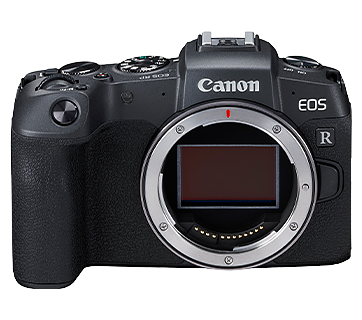
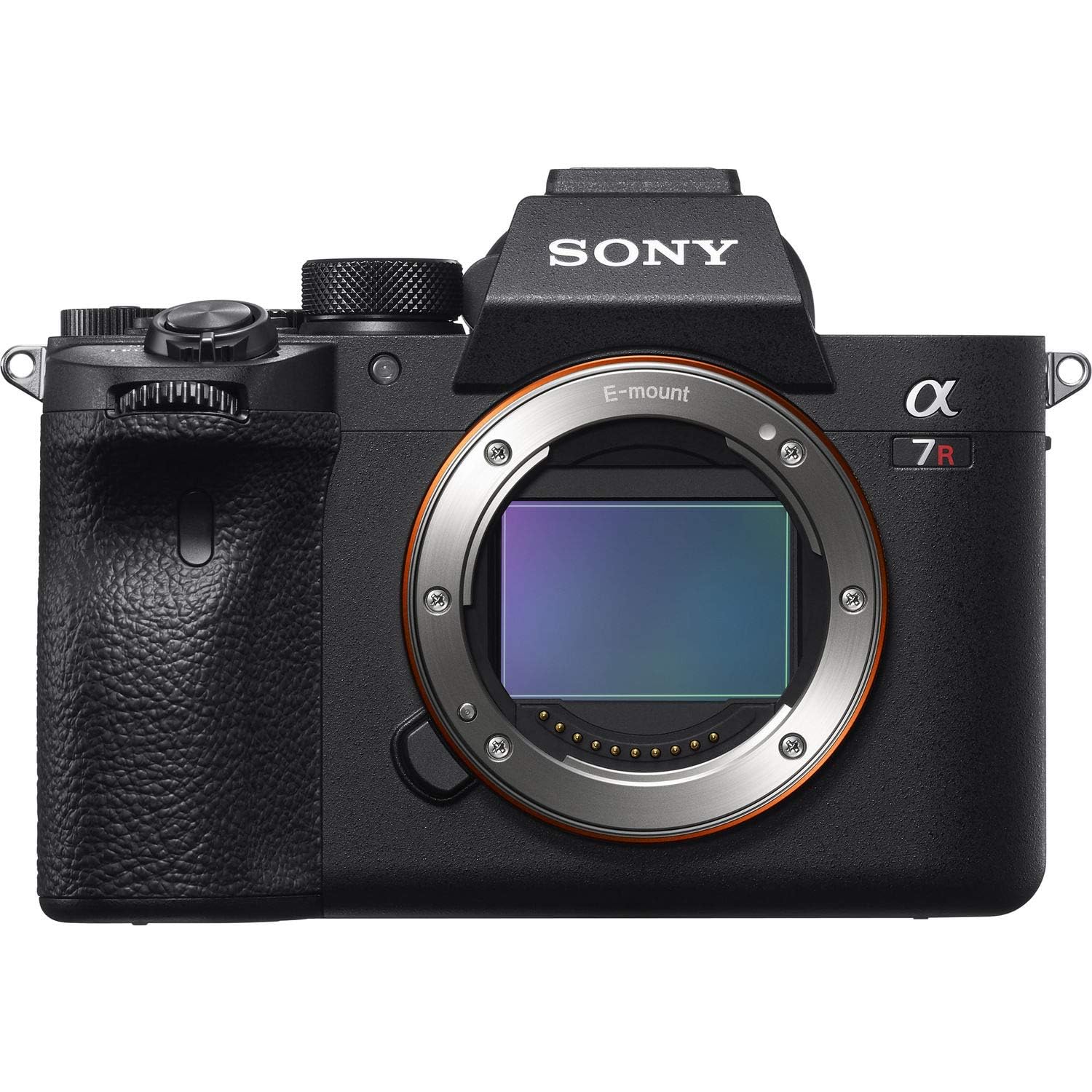
The Canon EOS RP and Sony A7R IV are two popular full-frame mirrorless cameras that often come up in discussions among photographers transitioning from DSLRs or upgrading their current gear. Each caters to different user needs and budgets, making them a common point of comparison for enthusiasts and professionals alike. The EOS RP is an entry-level full-frame option with a more accessible price point, while the A7R IV targets higher-end users seeking exceptional image quality and professional features.
The key differences between these two models lie in their sensor resolution, video capabilities, autofocus systems, and overall build quality. While the EOS RP boasts a compact and lightweight design, making it an excellent choice for travel and casual photography, the A7R IV offers higher resolution, improved autofocus performance, and advanced features that appeal to serious photographers and videographers. Understanding these differences will help potential buyers make informed decisions based on their specific requirements.
Specifications Comparison
Detailed Comparison
Image Quality
When it comes to image quality, the Sony A7R IV takes the lead with its impressive 61 megapixels, which allows for more detailed shots and greater flexibility in cropping images. This high resolution is particularly beneficial for landscape and studio photographers who may require large prints or extensive post-processing. In contrast, the Canon EOS RP, with its 26 megapixels, delivers good image quality but falls short in resolution-sensitive applications where detail retention is paramount.
Both cameras feature full-frame sensors, providing excellent dynamic range and color rendition. However, the A7R IV's higher ISO performance also lends itself better to low-light conditions, as it can effectively capture images at ISO settings up to 102,800, compared to the RP's maximum of 40,000 (which extends to 102,400 when in expanded mode). While the EOS RP performs well in various lighting conditions, the A7R IV excels in producing cleaner images at higher ISO levels.
Ultimately, an image quality enthusiasm will lean towards the A7R IV for its superior megapixel count and better low-light handling, making this section a clear win for Sony.
Autofocus System
The autofocus systems in both cameras cater well to a variety of shooting situations, but the capabilities differ significantly. The Sony A7R IV is equipped with 567 phase-detection autofocus points, which cover a more extensive area of the frame, allowing for fast and accurate focusing even when tracking subjects in motion. Additionally, it features Real-Time Eye Autofocus and tracking, which are invaluable tools for portrait and wildlife photographers.
On the other hand, the Canon EOS RP comes with 4,779 autofocus points, providing good coverage and decent performance for most applications. However, while it offers eye detection functionality, it doesn't match the sophistication of Sony's tracking capabilities. The EOS RP's autofocus may struggle in fast-paced scenarios compared to the A7R IV, particularly in challenging lighting conditions.
Given the superior autofocus system of the A7R IV, especially for dynamic subjects, this aspect is undoubtedly a win for Sony.
Video Capabilities
Video recording features represent a substantial difference between the two models. The Canon EOS RP can shoot 4K video at 24 frames per second, which is adequate for casual videography; however, it suffers from a significant crop factor, limiting its usability for wide-angle shoots without cropping. Furthermore, it lacks advanced video features like internal logging or high frame-rate options, which can be a deal breaker for those focused on video work.
Meanwhile, the Sony A7R IV offers more robust video capabilities, providing 4K at 30 frames per second with full pixel readout, resulting in better image quality and less cropping. The addition of S-Log and HDR support makes it a more adaptable choice for videographers aiming for professional-quality results. This camera includes advanced HDMI output features and greater codec options, appealing to a more serious filmmaking audience.
Given its superiority in video recording features and options, the A7R IV emerges as the winner in this category.
Build & Ergonomics
In terms of build quality and ergonomics, the profile of both cameras offers unique advantages. The Canon EOS RP is lighter, weighing 485 grams, and smaller compared to the A7R IV, making it an appealing choice for travel photographers or those looking for a more compact mirrorless option. Additionally, the RP has a more intuitive menu system for those already accustomed to Canon layouts.
Conversely, the Sony A7R IV, while heavier at 665 grams and slightly bulkier, comes with a weather-sealed body, making it more resilient in challenging environments. The build quality feels robust, and the inclusion of a dual card slot system provides greater flexibility for image storage.
Overall, if portability is a priority, the EOS RP shines, yet for durability and a more professional finish, the A7R IV wins this section.
Battery & Storage
Battery life is a critical factor for many photographers, where the A7R IV excels with approximately 670 shots per charge, which is significantly higher than the EOS RP's 250 shots. The longer battery life of the A7R IV allows for extended shooting sessions, particularly useful during events or when traveling without immediate access to charging.
Moreover, the A7R IV features a dual card slot system, allowing users to store images on separate cards or utilize one as backup. The EOS RP, on the other hand, only has a single SD card slot, which may limit options for photographers who often shoot in bursts or require redundancy for critical shoots.
Considering these factors, the A7R IV certainly takes the lead in terms of battery life and storage options, making it a more robust choice overall.
Value for Money
In assessing value for money, the Canon EOS RP holds a significant advantage over the Sony A7R IV due to its lower price tag of $1,299 compared to the A7R IV's $3,500. The EOS RP is well-suited for entry-level full-frame enthusiasts, offering solid performance, decent image quality, and a lighter design, making it an attractive option for those on a budget or looking to dip their toes into full-frame photography.
The A7R IV, while more expensive, justifies its higher price with unmatched resolution, advanced autofocus capabilities, and superior video functions, which appeal to professional photographers and videographers seeking the absolute best in image quality. For many advanced users, the features provided by the A7R IV may outweigh the cost considerations.
Ultimately, while the EOS RP is a great value entry point into full-frame photography, the A7R IV's advanced performance and features could also be seen as a worthy investment for long-term use, rendering this aspect a more nuanced discussion.
Our Verdict
The overall winner between the Canon EOS RP and the Sony A7R IV is the A7R IV, primarily due to its superior image quality, advanced autofocus system, and robust video capabilities. For professional photographers and serious enthusiasts, the investment in the A7R IV translates to long-term benefits that support higher-end photography and videography needs, justifying its higher price. However, for beginners or those on a budget, the EOS RP remains an excellent choice, delivering satisfying performance and functionality without the hefty price tag, making it a strong contender in its own right.
Canon EOS RP
Sony A7R IV
Also Compare
Frequently Asked Questions
Which camera is better for beginners?
The Canon EOS RP is generally considered better for beginners due to its user-friendly interface, lighter weight, and lower price point, making it accessible for those just starting in photography.
Does one camera perform better in low light?
The Sony A7R IV outperforms the Canon EOS RP in low light, thanks to its higher resolution sensor and better high ISO performance, producing cleaner images in such conditions.
What camera is recommended for videography?
The Sony A7R IV is recommended for videographers due to its 4K 30p capabilities, full pixel readout, advanced features like S-Log, and superior ergonomics for long recording sessions.
How do the autofocus systems compare?
The autofocus system of the Sony A7R IV is significantly more advanced, with a greater number of focus points and superior tracking capabilities compared to the Canon EOS RP.
Is weather sealing important?
Weather sealing can be crucial for outdoor photographers, enhancing durability in various environments. The Sony A7R IV provides this feature, while the Canon EOS RP lacks weather resistance.