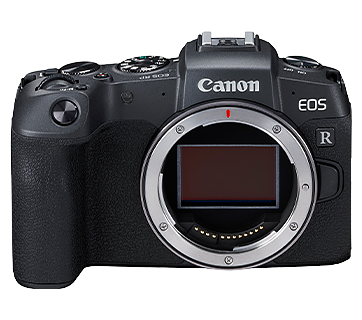
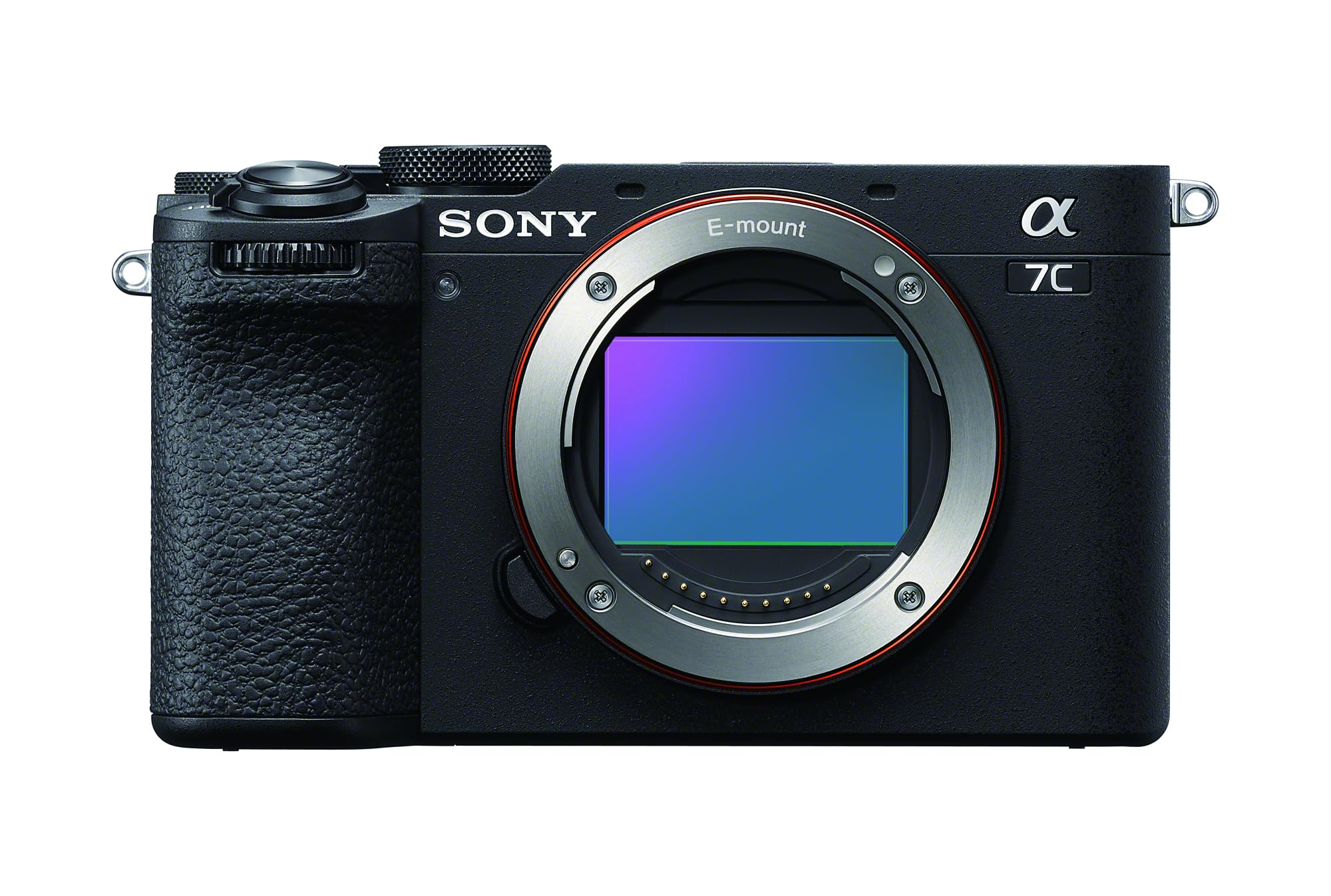
The Canon EOS RP and the Sony A7C II are two popular full-frame mirrorless cameras that often attract the attention of photographers and videographers alike. The EOS RP is a slightly older model released in 2019, appealing to entry-level users or anyone looking for a lightweight and compact system, whereas the A7C II is a more advanced option released in 2023, targeting professionals or enthusiasts seeking enhanced performance and features. Buyers typically weigh these options based on key differentiators such as image quality, autofocus capabilities, video performance, and overall usability. Understanding these differences can help potential buyers make an informed decision based on their specific needs and budget.
Specifications Comparison
Detailed Comparison
Image Quality
In terms of image quality, the Canon EOS RP features a 26-megapixel full-frame sensor that delivers satisfactory performance for most everyday photography needs. It captures images with good detail and color accuracy, suitable for prints and online sharing. However, the Sony A7C II offers a higher resolution 33-megapixel sensor, allowing for greater detail and more cropping flexibility without significant quality loss. Additionally, the A7C II provides better performance in low-light situations due to its higher ISO range, reaching up to 204,800 compared to the EOS RP's 102,400. This can lead to cleaner images with less noise when working in challenging environments.
Both cameras utilize full-frame sensors, offering excellent image depth of field and a natural look to images, but the A7C II's advanced sensor technology often results in better dynamic range and overall performance in various lighting conditions. For photographers primarily focused on capturing high-resolution images in diverse settings, the Sony A7C II is the superior choice.
Overall, while both cameras produce competent images, the A7C II's sensor advantages give it an edge in this category.
Autofocus System
Autofocus performance is crucial for action and fast-moving subjects. The Canon EOS RP features a robust autofocus system with 4,779 autofocus points. This extensive coverage allows for accurate focus tracking and quick subject acquisition. However, the Sony A7C II takes autofocus to the next level with its 759 autofocus points, which cover approximately 93% of the frame. This means it can lock onto subjects with greater precision, making it particularly effective for fast-moving subjects in both photography and video.
Additionally, the A7C II includes advanced AF features like Real-Time Eye AF for humans and animals, enhancing its ability to focus on subjects effectively and consistently in various scenarios. This can be particularly beneficial for wildlife or portrait photography, where ensuring the eye is in focus is paramount.
While both systems are competent, the added complexity and performance of the A7C II's autofocus system, particularly in dynamic settings, clearly gives it the advantage.
Video Capabilities
Video specifications are an important aspect for many content creators, and in this area, the Sony A7C II shines brighter than the Canon EOS RP. The RP offers 4K video recording at 24 frames per second, which, while decent, lacks the higher frame rates and flexibility sought by many videographers. On the other hand, the A7C II excels with the capability to shoot 4K at 60 frames per second, providing smoother motion and more options for slow-motion playback.
Moreover, the A7C II also benefits from in-body image stabilization rated at 7 stops, which helps to reduce the impact of camera shake during handheld video recording-an advantage that the EOS RP does not possess. This makes the A7C II a significantly better option for users focused on video production, including vlogs and high-action footage.
Given the increasing demand for high-quality video content across various platforms, the superior video capabilities of the A7C II clearly set it apart.
Build & Ergonomics
When it comes to build quality and ergonomics, both cameras have advantages. The Canon EOS RP is slightly larger and heavier than the Sony A7C II, which features a more compact design, making it a great choice for travel and everyday carry. The A7C II is designed with a more seamless and functional grip that enhances handling, especially during long shooting sessions.
Moreover, the A7C II comes with weather sealing, allowing it to withstand tougher environmental conditions, which is a significant advantage during outdoor photography or videography. The EOS RP, while still comfortable, does not have weatherproofing, making it less ideal for challenging climates.
Overall, while both cameras offer good ergonomics, the added protection and compact form factor of the A7C II make it more appealing for photographers who prioritize durability and portability.
Battery & Storage
Battery life can significantly affect shooting experience, especially during extended sessions. The Canon EOS RP has a rated battery life of approximately 250 shots, which may be limiting for users on long outings or shoots. Meanwhile, the Sony A7C II excels with a much-improved battery life of around 540 shots, providing more flexibility and less concern for frequent recharging.
Additionally, both cameras utilize different storage types; the EOS RP uses an SD card compatible with UHS-II, while the A7C II supports dual card slots, allowing for more extensive storage and redundancy during shoots. This feature is particularly advantageous for professional photographers or those shooting high-resolution video and images, as it provides extra security against data loss.
In terms of flexibility and longer use without interruption, the A7C II clearly outmatches the RP's battery and storage capabilities.
Value for Money
The Canon EOS RP is positioned at a more budget-friendly price point, costing around $1,299, which makes it an appealing entry-level option for those looking to step into full-frame photography without breaking the bank. Its price point aligns well with its features, particularly for amateur photographers or those who do not require advanced capabilities.
Conversely, the Sony A7C II commands a higher retail price of approximately $2,200, reflecting its more sophisticated technology, improved features, and performance. While it offers significant advantages in several aspects discussed, the price increase may not be justified for everyone, particularly those who may not require high-end specifications.
Overall, while the A7C II offers superior performance, the Canon EOS RP provides excellent value for novice photographers who prioritize affordability over maximum specifications.
Our Verdict
In the end, while the Canon EOS RP excels in value for money, the Sony A7C II is the clear winner for serious photographers and videographers given its advanced specifications, superior autofocus, enhanced video capabilities, and better build quality. For casual users or those on a budget, the EOS RP remains a valid option that satisfies basic needs without substantial investment. Ultimately, the choice between these two cameras depends on your specific use case, budget, and aspirations in photography or videography.