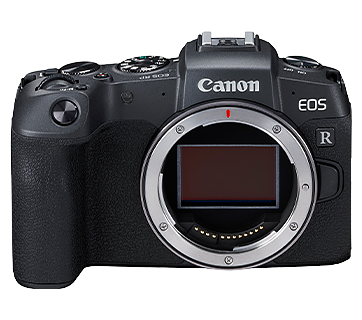
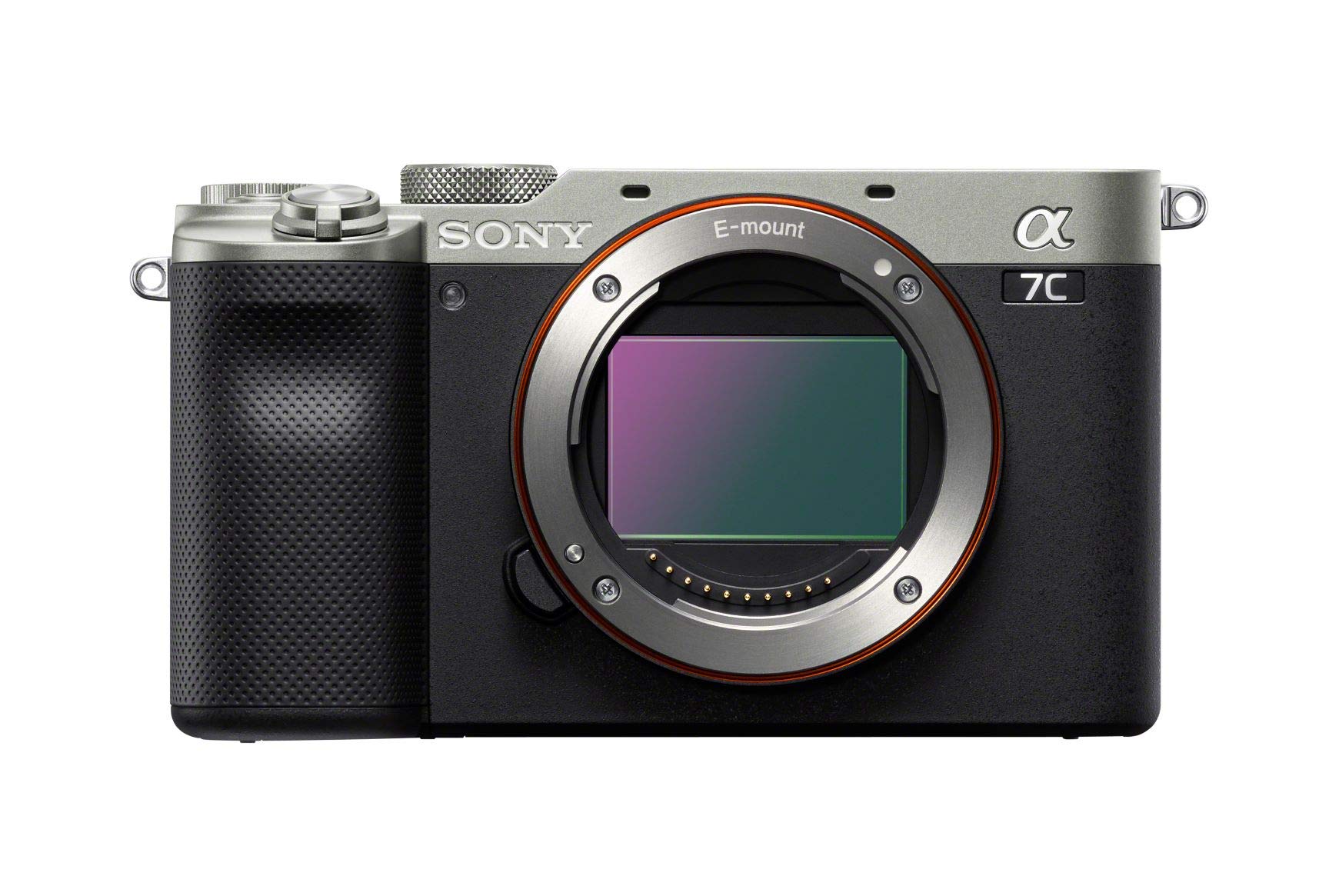
The Canon EOS RP and Sony A7C are two popular full-frame mirrorless cameras that cater to a diverse range of photographers, from enthusiasts to professionals. They are often compared due to their similar pricing, sensor sizes, and feature sets, making them appealing choices for those looking to break into full-frame photography. Those deciding between these two models are typically seeking a lightweight, compact system that still offers exceptional image quality and performance. Key differentiators include their autofocus capabilities, video features, and overall handling.
Specifications Comparison
Detailed Comparison
Image Quality
The Canon EOS RP features a 26 MP full-frame sensor, which allows for slightly higher resolution images compared to the Sony A7C's 24 MP sensor. This can provide a slight edge in detail when printing large photographs or cropping into images. Moreover, both cameras perform well at higher ISO settings, yet the Canon RP's ISO range extends to 102400, making it quite flexible in low light conditions. In contrast, the Sony A7C has an impressive low-light ISO limit of 204800, which outstrips the Canon's potential at more extreme settings.
In terms of image processing, both brands utilize their proprietary image engines; Canon uses the DIGIC 8, while Sony employs its BIONZ X processor. Users often claim that Canon's color science tends towards more pleasing skin tones straight out of the camera, which can be a significant consideration for portraits. Conversely, Sony remains known for its very clean image quality and dynamic range, especially noticeable in high-contrast scenes.
Both cameras produce excellent JPEGs and RAW files, but ultimately the choice may come down to personal preference regarding color rendering and low-light performance. However, regarding resolution capability, the Canon EOS RP takes it slightly ahead, but the difference is marginal. Thus, overall image quality can be categorized as closely matched.
Autofocus System
The autofocus systems of both the Canon EOS RP and Sony A7C are robust, but they cater to different experiences. The EOS RP offers a remarkable 4779 focus points, utilizing Canon's Dual Pixel autofocus technology that provides smooth and fast focus acquisition, especially in video mode and for stills in live view.
On the other hand, the Sony A7C has a strong point with its 693 autofocus points, which covers a larger area of the frame. Sony's Real-Time Eye AF technology and tracking capabilities are industry-leading, attracting many action and wildlife photographers for its reliable focus on fast-moving subjects. This advanced system gives Sony users an advantage in dynamic shooting scenarios.
In practical terms, while both systems are effective, the A7C's autofocus is often cited by users as superior, thanks to its faster response and tracking abilities, especially when capturing subjects in motion. Therefore, for those who prioritize quick and accurate focusing, the A7C stands out as the winner in this category.
Video Capabilities
In terms of video capabilities, the Sony A7C generally has the upper hand. It supports 4K recording at 30 frames per second, which offers enhanced versatility for videographers looking for higher frame rates and smoother motion. The A7C also boasts features like S-Log profiles for color grading flexibility and better dynamic range, which is a significant consideration for serious filmmakers.
Conversely, the Canon EOS RP can only record 4K at 24 frames per second, with a notable crop factor that limits its versatility for wide-angle shots and impacts framing. Though it does provide decent video quality, filmmakers may find it less accommodating than the A7C due to limited frame rate options and crops.
Additionally, the built-in stabilization of the A7C, rated at 5 stops, helps to create smoother handheld footage while the EOS RP lacks any in-body stabilization, making it less effective for shooting dynamic scenes or without a tripod. Based on these factors, the Sony A7C emerges as the clear winner in video capabilities.
Build & Ergonomics
From a design perspective, the Canon EOS RP features a larger grip, which some users find more comfortable for extended shooting sessions. Its dimensions (133 x 85 x 70 mm) accompany its slightly heavier weight of 485g, making it a bit bulkier than the A7C. However, this larger size can also contribute to a greater feeling of stability.
In contrast, the Sony A7C's compact design (124 x 71 x 60 mm) and slightly heavier weight of 509g make it incredibly portable and well-suited for travel or street photography. Its weather-sealed body also provides additional durability for shooting in various environmental conditions, a feature that the Canon EOS RP notably lacks.
When considering the experiences of photographers, it really comes down to personal preference for heft and grip comfort versus compactness and portability. The A7C's weather-sealing gives it an added edge for outdoor shooting scenarios, making it more versatile overall. Hence, in terms of build and ergonomics, the A7C comes out on top.
Battery & Storage
Battery performance is critical for photographers, especially those on long shoots. The Canon EOS RP offers a battery life of approximately 250 shots per charge, which is relatively low in comparison to many other mirrorless models in the same category. This limitation can be a significant drawback for users who shoot extensively without the convenience of swapping batteries frequently.
The Sony A7C addresses this issue effectively with a battery life rated at around 740 shots per charge, enhancing its usability for prolonged shoots. This translates into less downtime and the need for fewer spare batteries, which is invaluable for professional use.
Moreover, both camera systems utilize SD card storage, with the A7C supporting dual slots, allowing for more efficient storage management and backup capability, compared to the single slot available on the EOS RP. Therefore, from a battery and storage standpoint, the Sony A7C is decidedly the winner.
Value for Money
When considering the price points, the Canon EOS RP is priced at $1299, making it one of the more affordable entry points into full-frame photography. It offers an excellent balance of features, performance, and image quality for amateur photographers who might not want to invest heavily right away.
On the other hand, the Sony A7C, priced at $1799, is positioned at a higher price point but offers features more aligned with advanced users, particularly in its autofocus, video capabilities, and battery life. While it appeals to those who can afford a higher investment, budget-conscious buyers may find the EOS RP to be a more compelling choice.
Both models represent good value for their respective features, but the cost-per-feature analysis tips slightly in favor of the Canon EOS RP for beginners or intermediate users budget-conscious users who still want quality performance without committing to premium pricing. Thus, for overall value for money, the Canon EOS RP emerges as the winner.
Our Verdict
Overall, the Sony A7C wins this comparison due to its superior autofocus system, video capabilities, and extended battery life, which are crucial for many types of photography and videography. Additionally, its compact design and weather-sealing make it a favorable option for on-the-go shooting. However, the Canon EOS RP remains a strong option for those who prioritize image quality and value, providing an excellent entry into full-frame photography without breaking the bank. Photographers must consider their specific needs-whether they require advanced video functionalities or seek a more budget-friendly option-to make the right choice between these two capable cameras.
Canon EOS RP
Sony A7C
Also Compare
Frequently Asked Questions
Which camera is better for beginners?
The Canon EOS RP is often recommended for beginners due to its user-friendly interface, lower price point, and solid image quality.
Is the video quality different between the two cameras?
Yes, the Sony A7C offers better video quality with 4K at 30p, while the Canon EOS RP records 4K at 24p with a crop factor that can limit framing.
Which one is better for low-light photography?
Both cameras perform well in low light, but the A7C's ISO performance extends to 204800, making it slightly more versatile in extremely low light conditions.
Does either camera offer in-body stabilization?
Yes, the Sony A7C features 5-stop in-body stabilization, while the Canon EOS RP does not include any stabilization features.
How do the lens ecosystems compare?
Both Canon and Sony have extensive lens offerings, but Canon's RF mount is comparatively newer, while Sony's E mount has a broader selection of lenses due to its longer market presence.