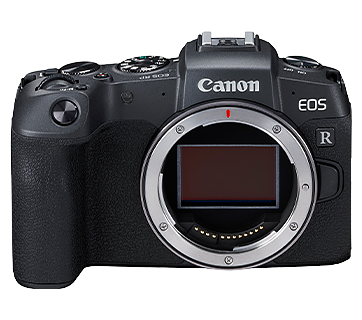
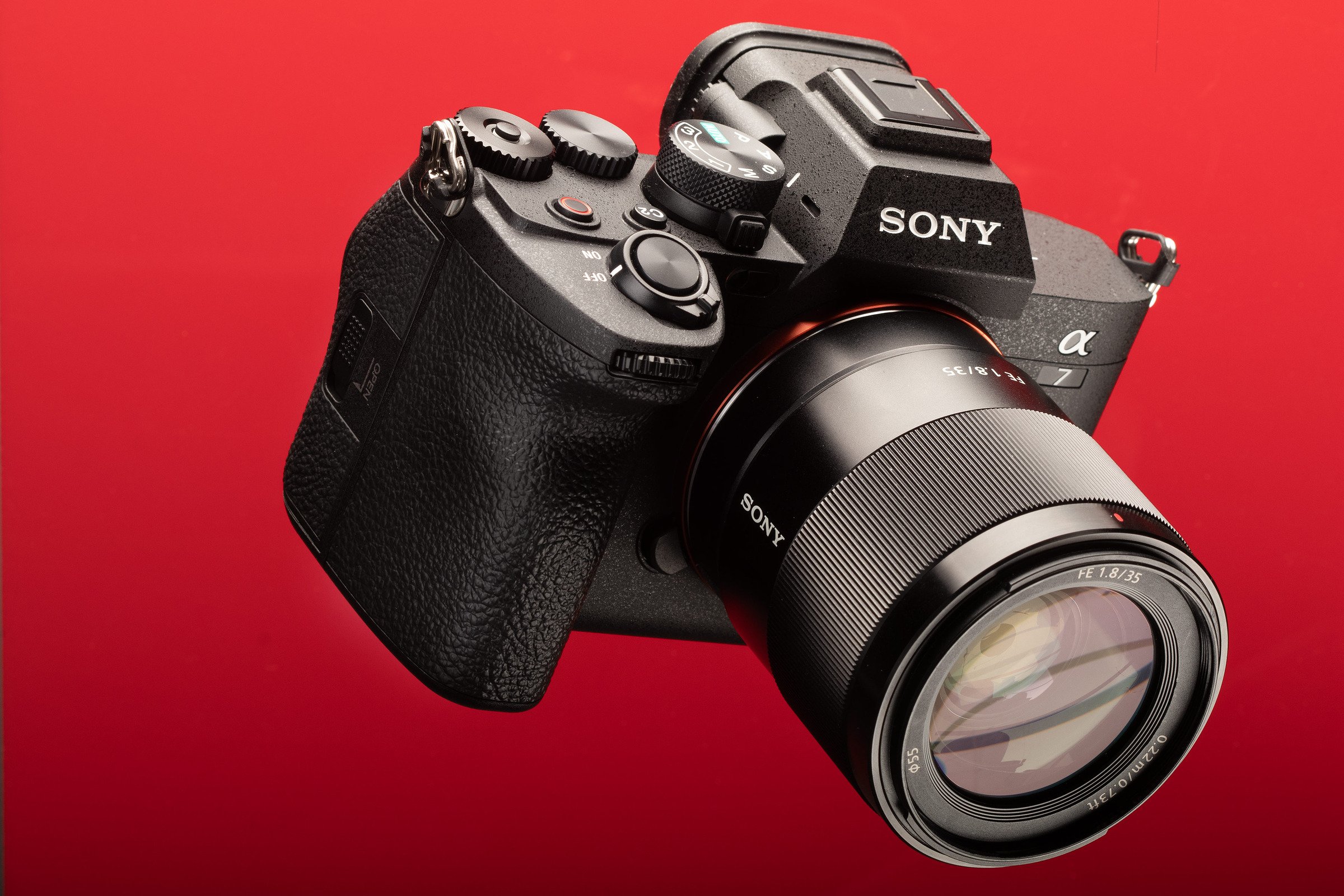
The Canon EOS RP and the Sony A7 IV are two of the most talked-about full-frame mirrorless cameras in their respective lines, appealing to both amateur photographers and seasoned professionals alike. Choosing between these two could be challenging due to the range of features they offer. The EOS RP is often recommended for its portability and beginner-friendly interface, while the A7 IV has become a favorite for its advanced capabilities and robust performance, making it a popular choice for content creators and photographers looking for more flexibility.
Specifications Comparison
Detailed Comparison
Image Quality
In terms of image quality, both cameras possess a full-frame sensor, which allows for excellent low-light performance and a shallow depth of field. The Canon EOS RP has a 26MP sensor, while the Sony A7 IV features a higher-resolution 33MP sensor, resulting in slightly more detail and larger print options. This difference can be noticeable when cropping images or producing large enlargements. Additionally, the expanded ISO range of the A7 IV (up to 204800) gives it a significant edge for low-light shooting when compared to the RP's maximum of 102400, providing more flexibility for challenging lighting conditions.
Both cameras perform exceptionally well with natural colors and dynamic range, but many photographers find the color science of Canon's sensors to produce more pleasing skin tones, which is crucial for portraiture. On the other hand, Sony's more robust post-processing capabilities allow for greater latitude in post-production, making the A7 IV more versatile in professional settings.
Ultimately, while both cameras excel in image handling, the higher resolution and expanded ISO capabilities give the A7 IV the advantage.
Autofocus System
The autofocus systems of both cameras set them apart in their respective categories. The Canon EOS RP features 4779 autofocus points, providing extensive coverage across the frame, yet it is known to be slower compared to Sony's systems. In contrast, the Sony A7 IV offers 759 autofocus points equipped with cutting-edge Real-Time Eye Autofocus for both humans and animals, which is particularly useful for portrait and wildlife photographers. Users consistently report faster and more reliable focusing performance with the A7 IV, both in still and video modes.
Additionally, the A7 IV incorporates advanced subject recognition features, which enables it to prioritize focus on subjects more instinctively than the EOS RP. While the RP does offer face detection and decent tracking capabilities, it simply cannot match the accuracy and speed of Sony's A7 IV in various shooting scenarios. The superior autofocus system in the A7 IV makes it ideal for action and documentation photography, where every moment counts.
Video Capabilities
Video performance is another critical differentiator between these two models. The Canon EOS RP offers 4K video recording at 24p, which is adequate for casual videography, but it comes with a significant crop factor that limits its usability for wide-angle shots. Furthermore, the lack of in-body stabilization means video performance may be compromised due to shaky footage when shooting handheld.
On the other hand, the Sony A7 IV shoots 4K video at up to 60p while using full sensor readout, ensuring higher quality and wider framing without crop limitations. It also includes impressive features like S-Cinetone color profiles, which provide a cinematic look straight out of the camera. Additionally, the 5.5 stops of in-body stabilization significantly improves handheld shooting, making the A7 IV much more appealing for videographers seeking versatility and quality.
For those focused on video content creation or hybrid shooting, the A7 IV clearly outshines the EOS RP.
Build & Ergonomics
Build quality and ergonomics play vital roles in a photographer's long-term comfort and usability. The Canon EOS RP is lightweight and compact, weighing only 485g and featuring a smaller body design. This portability makes it attractive for travel and street photography. However, the trade-off is that it lacks weather sealing, which can be a concern for outdoor photographers in diverse environments.
Conversely, the Sony A7 IV, weighing 659g, feels more robust and provides better sturdiness, enhanced by its weather-sealed body. This is critical for professionals who frequently shoot in challenging conditions. The camera's layout is tactile, with well-placed buttons and a responsive touch screen, allowing for a more intuitive user experience overall.
While both cameras are comfortable to hold, those prioritizing durability and handling will find the A7 IV more appealing, especially under demanding conditions.
Battery & Storage
Battery life is often a deciding factor for many photographers and videographers. The Canon EOS RP has a battery life rated at about 250 shots per charge, which might be satisfactory for casual usage but can be limiting for professional shoots. Additionally, since it uses the compact LP-E17 battery, swapping out batteries frequently becomes a necessity during long shooting days.
The Sony A7 IV, on the other hand, utilizes the larger NP-FZ100 battery, providing an impressive 580 shots per charge. This extended lifespan can be a game-changer for professional shooters, offering more time between battery swaps, especially during events or outdoor shooting. Furthermore, both cameras support SD cards, but the A7 IV has dual card slots, allowing for simultaneous file saving, backup, or segregating different types of media, adding to its versatility for storage.
Value for Money
When it comes to value, the Canon EOS RP is significantly more budget-friendly, priced at $1299. This makes it an excellent entry point for those looking to explore full-frame photography without breaking the bank. Its user-friendly interface and compact design cater well to hobbyists and beginner enthusiasts.
Conversely, the Sony A7 IV comes at a higher price tag of $2499, reflective of its advanced features and superior performance across photo and video capabilities. While it offers excellent value for serious photographers and videographers who will utilize its extensive functionalities, the cost can be a barrier for others who may not need such robust performance.
In this section, the EOS RP undoubtedly provides better value for those on a budget who still seek full-frame quality, whereas the A7 IV justifies its price with significant enhancements catering to a more professional audience.
Our Verdict
In the overall comparison, the Sony A7 IV emerges as the winner due to its comprehensive feature set that excels in key areas such as autofocus, video capabilities, and battery life. While the Canon EOS RP offers outstanding value and caters well to beginner photographers with its smaller size and lower price point, the advanced features and performance of the A7 IV make it a superior choice for professionals or serious enthusiasts. Ultimately, those seeking a capable all-rounder versatile in both photography and videography will find the Sony A7 IV to be the top recommendation.
Canon EOS RP
Sony A7 IV
Also Compare
Frequently Asked Questions
Is the Canon EOS RP good for beginners?
Yes, the Canon EOS RP is designed with beginners in mind, featuring a user-friendly interface, lightweight body, and excellent image quality.
Does the Sony A7 IV have in-body stabilization?
Yes, the Sony A7 IV includes 5.5 stops of in-body stabilization, which significantly enhances handheld shooting capabilities.
How important is the autofocus system for wildlife photography?
The autofocus system is critical for wildlife photography, as fast and accurate focus can mean the difference between capturing a moment or missing it entirely. The Sony A7 IV excels in this area.
Can I shoot 4K videos with the Canon EOS RP?
Yes, you can shoot 4K videos at 24p with the Canon EOS RP, though it does come with a crop factor.
What is the advantage of dual card slots in the A7 IV?
Dual card slots allow you to save images simultaneously to two cards, providing an instant backup and separating different formats or media types.