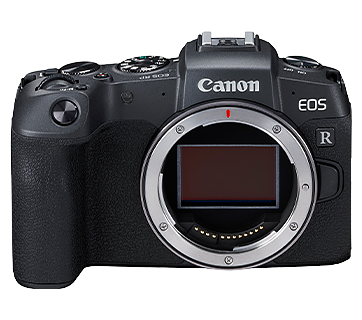
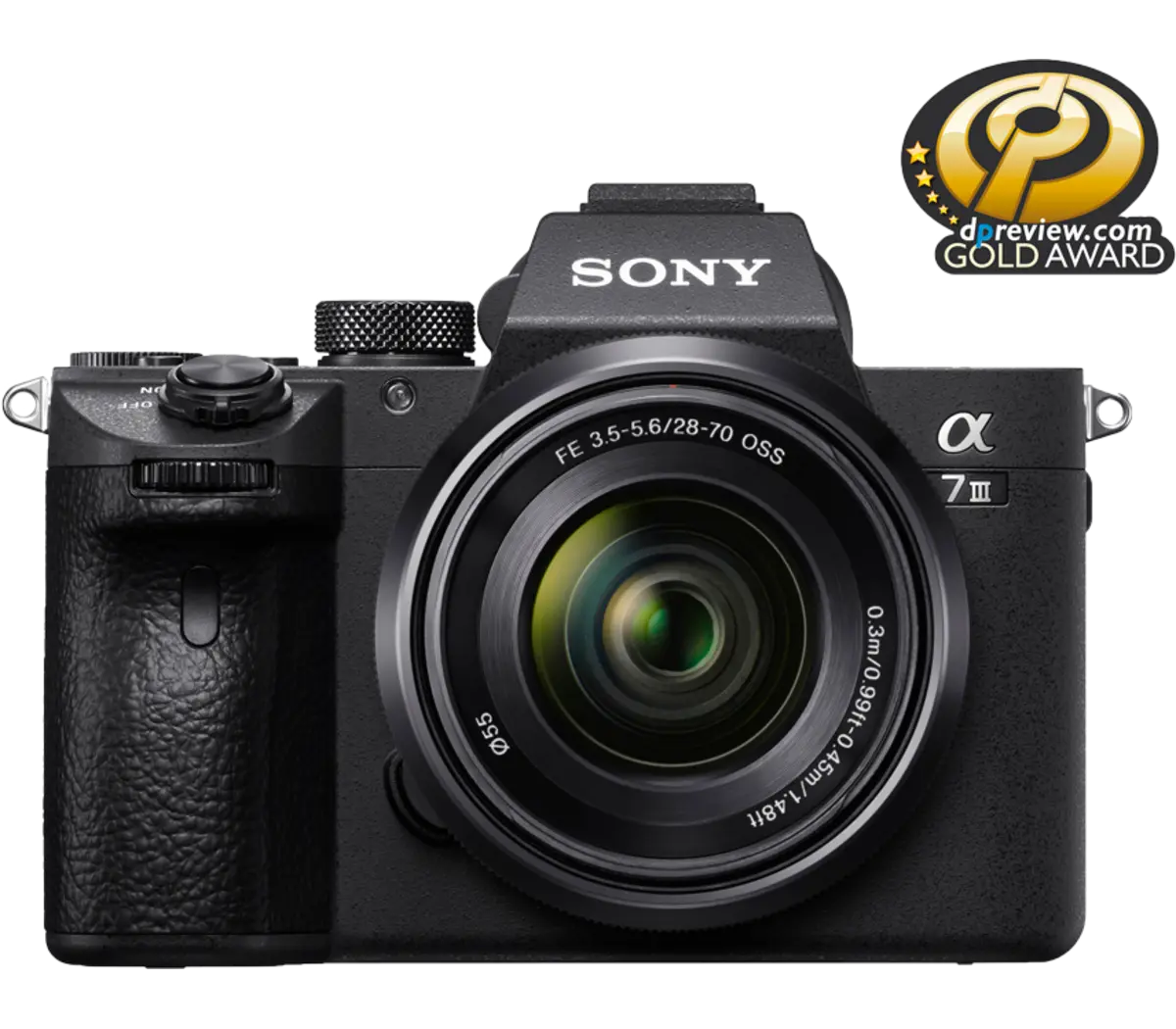
The Canon EOS RP and Sony A7 III are two of the most popular mirrorless cameras on the market, appealing to enthusiasts and professionals alike. Both models offer full-frame sensors and advanced features, making them strong contenders for anyone looking to upgrade or purchase their first full-frame mirrorless camera. Buyers often find themselves choosing between these two due to their different strengths; the EOS RP boasts a lower price and higher autofocus points, while the A7 III offers superior video capabilities and in-body image stabilization.
Specifications Comparison
Detailed Comparison
Image Quality
In terms of image quality, the Canon EOS RP features a 26-megapixel sensor, which provides excellent resolution for a variety of photography genres. The sensor size is compatible with a wide range of lenses, and its performance in lower light conditions is further enhanced by an ISO range that expands from 50 to 102400. This makes the EOS RP an attractive option for those who frequently shoot in challenging lighting environments. However, the slightly lower 24-megapixel sensor of the Sony A7 III, while still providing exceptional image quality, offers a native ISO range that expands only up to 51200, lacking the high-end options available on the RP.
Additionally, both cameras produce sharp images with great detail, but the Canon RP might edge out in low-light scenarios due to its higher pixel count, although this can vary based on the shooting condition. Ultimately, both cameras can produce high-quality images suitable for prints or large displays, and both deliver remarkable dynamic range and color accuracy. Therefore, this section can be considered a tie as both cameras excel in their own rights, offering excellent image quality for their respective use cases.
Autofocus System
The autofocus system of the Sony A7 III is one of its standout features, equipped with 693 phase-detection points and 425 contrast-detection points. This vast system allows for quicker and more accurate subject tracking, making the A7 III an ideal choice for fast-paced photography such as wildlife or sports. In comparison, the Canon EOS RP has an impressive 4779 autofocus points, which might seem alluring at first, but the focus coverage and depth of performance during continuous shooting are not as robust as that of the A7 III.
Users of the A7 III consistently praise its Eye AF technology and the ability to maintain focus on moving subjects with considerable success. Canon's Dual Pixel autofocus is also capable, but the higher number of points on the RP does not translate to a superior performance in practical usage. Ultimately, while both cameras offer fast and reliable autofocus, the advanced capabilities of the A7 III make it the winner in this category.
Video Capabilities
For videographers, the Sony A7 III is a compelling choice with its ability to shoot 4K video at 30p with full pixel readout and no pixel binning, resulting in outstanding video quality. Its various video profiles, including S-Log and HLG, give users flexibility in post-production and is beneficial for serious videographers looking to achieve professional-grade footage. In comparison, the Canon EOS RP shoots 4K at 24p but includes a crop factor that can be limiting for those looking for wider shots and it lacks some advanced video features.
The lack of in-body stabilization on the EOS RP can also be a drawback when filming handheld, making it less useful for dynamic shooting situations. The A7 III's 5-axis in-body stabilization significantly enhances video smoothness without needing additional stabilization equipment. Given the serious video capabilities of the A7 III which cater well for both amateur and professional filmmakers, this section clearly favors the Sony model.
Build & Ergonomics
Both the Canon EOS RP and Sony A7 III boast solid builds, but they cater to slightly different preferences in ergonomics. The A7 III is more robust with weather sealing, making it an excellent choice for outdoor photography in various conditions. Its slightly heavier body could provide a more comfortable grip for some users, especially during prolonged shooting sessions. The layout of buttons and controls on the A7 III is designed to cater to photographers who prefer tactile feedback and quick access to essential features.
On the other hand, the Canon EOS RP is lighter and more compact, making it an attractive option for travel photographers or those who prioritize portability. However, some users have noted that the button layout on the RP may take some getting used to and isn't as intuitive as that of the A7 III. Overall, while the build quality of both cameras is impressive, the A7 III allows for greater durability and ergonomics that fit larger hands better, giving it a slight advantage in this section.
Battery & Storage
A significant aspect that affects the usability of a camera is its battery life. Here, the Sony A7 III excels with a rated battery lifespan of approximately 710 shots per charge, compared to the Canon EOS RP's much lower 250 shots. This is a crucial consideration for photographers who need to shoot for extended periods without the need for frequent battery replacements. Moreover, the A7 III uses the larger NP-FZ100 battery, which supports better performance under heavy usage.
When it comes to storage, both cameras accept dual card slots, but the A7 III offers an SD UHS-II compatibility that provides faster write speeds, which is particularly beneficial for high-bitrate video recording and burst shooting scenarios. The Canon RP, while it only offers a single card slot, supports UHS-II speeds, allowing for decent performance as well. In terms of practical usage, the superior battery life of the A7 III combined with its better handling of high-volume shooting makes it the winner in this category.
Value for Money
When considering value, the Canon EOS RP is priced more attractively at $1299 compared to the Sony A7 III, which is priced at $2000. For budget-conscious buyers, the EOS RP provides a compelling entry point into full-frame photography while still offering solid performance in many aspects, particularly for casual photographers and those focused mainly on still images. Its full-frame sensor and Canon's renowned image quality make it a fantastic purchase for anyone starting or upgrading from an aps-c camera.
That said, the investment in the A7 III often translates to better long-term value, especially for those heavily invested in video production or who require advanced autofocus capabilities. Professionals seeking a balance of features and reliability might justify the premium as they leverage its full capabilities in real-world settings. Overall, while the EOS RP stands out in affordability, those looking for robust performance will find that the price of the A7 III is ultimately reflective of its added capabilities, thus creating a nuanced winner in this category.
Lens Ecosystem
Both Canon and Sony provide a wide variety of lenses for their respective mounts, but Sony's E-mount lens lineup has been rapidly expanding with high-end options available, including prime and zoom lenses that perform exceptionally well in low light and professional-grade video. Additionally, many third-party manufacturers produce lenses compatible with Sony cameras, enhancing the ecosystem's flexibility and creativity.
The Canon RF mount has also seen substantial growth since its introduction, with numerous high-quality RF lenses being released, though somewhat fewer options are currently available compared to Sony's offerings. While Canon's lenses are highly regarded, some photographers may find the range a bit limiting, especially when venturing into diverse photography styles. However, Canon's optics often reflect exceptional quality and build that resonate with many users who prioritize lens performance over quantity. Ultimately, while both ecosystems provide numerous options, Sony's currently broader lens availability gives it the edge in this comparison.
Our Verdict
Overall, the Sony A7 III emerges as the winner when considering the balance of features important to both photographers and videographers. Its superior autofocus performance, advanced video capabilities, extensive battery life, and robust build quality cater well to professionals and enthusiasts. While the Canon EOS RP offers a more affordable option with commendable image quality, its limitations in video performance and battery life may hinder those looking for a versatile workhorse. Therefore, while the RP is excellent for beginners or those focused on still photography, the A7 III is the better choice for serious photographers who demand comprehensive functionality across all aspects of imaging.
Canon EOS RP
Sony A7 III
Also Compare
Frequently Asked Questions
Which camera is better for video?
The Sony A7 III is significantly better for video due to its 4K at 30p capabilities, full pixel readout, and in-body stabilization, making it the ideal choice for videographers.
Is the Canon EOS RP good for low-light photography?
Yes, the Canon EOS RP performs adequately in low-light conditions, taking advantage of its high ISO capabilities, though the Sony A7 III has better overall low-light performance with its established sensor technology.
Does the Sony A7 III have weather sealing?
Yes, the Sony A7 III features weather sealing, which enhances its durability and usability in harsher environmental conditions compared to the Canon EOS RP.
Which camera is more lightweight?
The Canon EOS RP is lighter at 485g compared to the Sony A7 III's 650g, making it more suitable for travel and handheld shooting.
What should I consider when choosing between these two cameras?
Consider your photography needs: if you prioritize video and advanced autofocus, the A7 III is the better choice. For those focusing on still photography with a lower budget, the EOS RP may be more suitable.