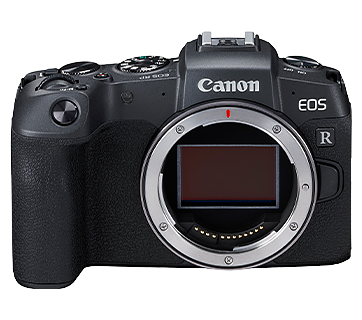
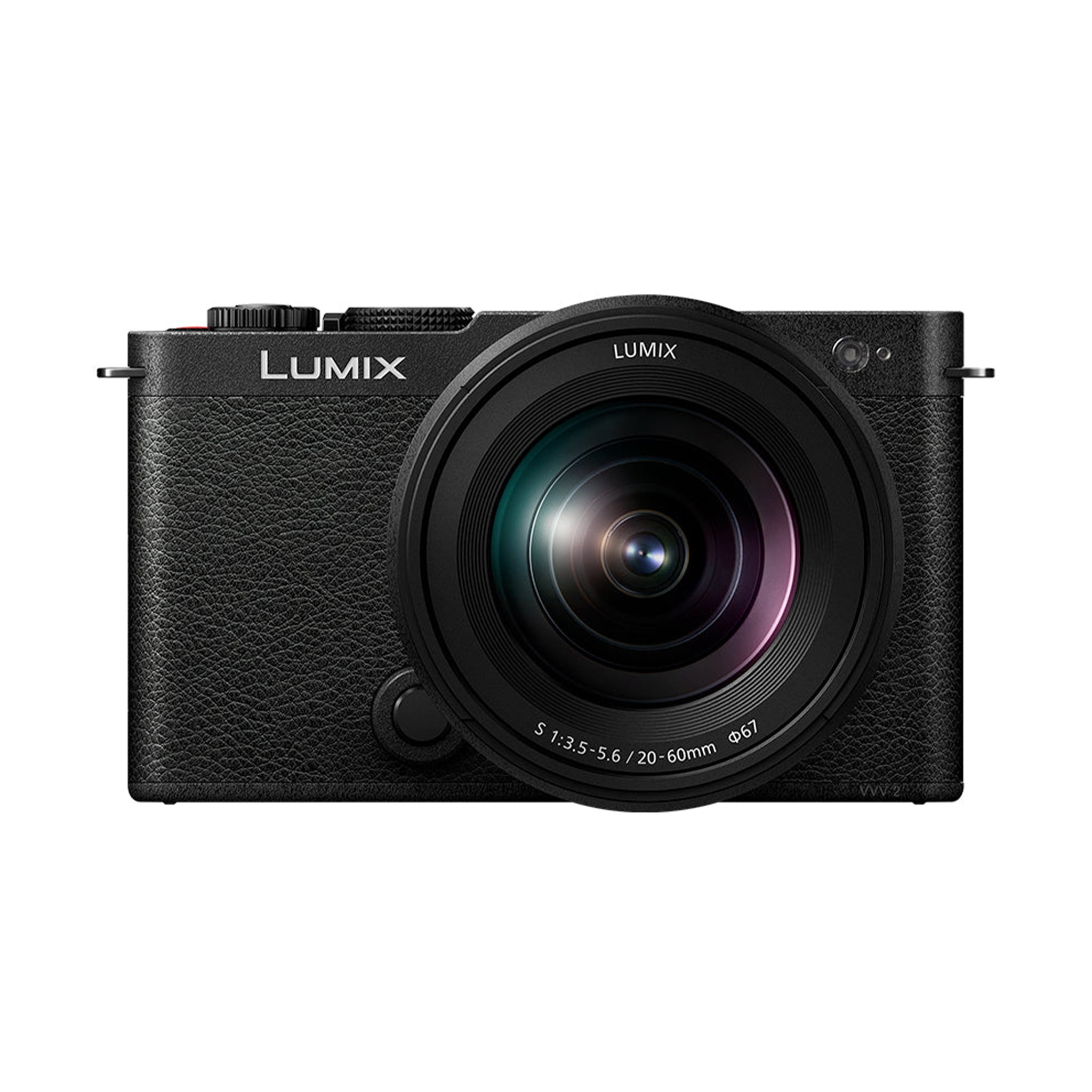
When exploring the realm of full-frame mirrorless cameras, the Canon EOS RP and Panasonic S9 are two notable options that often come up in discussions among enthusiasts and professionals alike. Both cameras are geared towards different types of photographers, with the EOS RP appealing to those who prioritize lightweight design and the renowned Canon RF lens ecosystem, while the S9 caters to those seeking advanced video capabilities and built-in image stabilization. This comparison will provide clarity on which of these two cameras might be the better fit based on individual needs, preferences, and specific use cases.
The Canon EOS RP was released in 2019, featuring a simplified design that's accessible for newcomers with professional aspirations. In contrast, the Panasonic S9, released in 2024, offers a range of enhancements that make it appealing for videographers. Key differentiators include their respective video resolutions, stabilization methods, and battery life, which can impact the overall user experience significantly. Understanding how these cameras stack up in various aspects will assist potential buyers in making an informed decision.
Specifications Comparison
Detailed Comparison
Image Quality
In terms of image quality, both the Canon EOS RP and Panasonic S9 deliver impressive performance, albeit in slightly different ways. The EOS RP features a 26 MP full-frame sensor, which allows for detailed images and a broad dynamic range. Its high ISO range (100-40000, expandable to 50-102400) means that it can perform well in low-light conditions, capturing noise-free images even in challenging light.
The Panasonic S9, while having a slightly lower resolution at 24 MP, benefits from a newer sensor technology that often leads to improved color reproduction and detail in various lighting conditions. Additionally, the S9's advanced image processing capabilities help to enhance overall image quality, especially in dynamic and high-contrast scenes.
Thus, while both cameras provide strong performance, the EOS RP might edge out slightly in terms of resolution and high ISO performance for enthusiasts who prioritize those attributes. Conversely, the S9 has the advantage of improved sensor technology, which can appeal to those less concerned with resolution and more focused on color accuracy.
Overall, this section is quite competitive, landing us at a close competition between the two models, making this a potential area for a tie.
Autofocus System
The autofocus systems on both the Canon EOS RP and Panasonic S9 serve their respective purposes well, but they offer different features suited to varying shooting styles. The EOS RP boasts an impressive system with 4779 focus points and dual pixel autofocus, which provides reliable eye detection and smooth focusing transitions. This makes it particularly advantageous for portrait photography or capturing fast-moving subjects.
On the other hand, the Panasonic S9 emphasizes speed and precision, which can be critical for both stills and video shooting. Although it has fewer focus points, it integrates advanced AI-driven autofocus features that allow for accurate tracking of subjects in a variety of conditions. This innovation aids in providing stable focus during video recording, which is often essential for videographers.
While both systems are effective, Canon's extensive focus points tend to offer more versatility for different genres of photography, making the EOS RP a winner in this category. Photographers who require reliable tracking and versatility may prefer the RP's autofocus capabilities, particularly when working with varied subjects like wildlife or sports.
Video Capabilities
Video recording is a significant focus area in modern cameras, and here the differences between the Canon EOS RP and Panasonic S9 are most pronounced. The EOS RP is limited to 4K at 24 frames per second, which, while suitable for basic video needs, can restrict creative flexibility and frame rates. Additionally, the lack of image stabilization can lead to shaky footage, especially during handheld shooting, limiting its use for intense video applications.
Contrastingly, the Panasonic S9 supports a higher video resolution of 5.9K, along with options for UHD 4K, DCI 4K, and 1080p at various frame rates. This makes the S9 a powerhouse for video enthusiasts, particularly those wanting to shoot high-quality content with versatility across various resolutions and frame rates. Coupled with its built-in 5-axis stabilization, videographers can achieve smoother footage, enhancing overall production quality.
Given these offerings, it is clear that the Panasonic S9 holds a commanding advantage in video capabilities, making it the clearer choice for users whose primary focus is video content creation.
Build & Ergonomics
When it comes to build quality and ergonomics, both cameras differentiate themselves significantly. The Canon EOS RP features a compact and lightweight design, weighing just 485 grams, making it a desirable option for travel photographers or those who prefer a less bulky kit. Its dimensions of 133 x 85 x 70 mm aim for comfort and ease of use, allowing quick handling in dynamic shooting scenarios.
In comparison, the Panasonic S9, despite only being slightly heavier at 486 grams, has noticeably more robust construction due to its design philosophy, which often prioritizes durability in challenging environments. The dimensions (126 x 73.9 x 46.7 mm) contribute to a slimmer profile, though it sacrifices some grip comfort, which can affect long shooting sessions.
Ultimately, the choice between the two may come down to personal preference regarding weight and handling comfort. If ergonomics and portability are crucial, the EOS RP may stand out as the better option. However, those seeking durable build quality may lean towards the S9, giving it a slight edge in this aspect given the solid construction.
Battery & Storage
Battery life is crucial for any photographer or videographer, and there are notable differences between the Canon EOS RP and Panasonic S9. The EOS RP offers a relatively modest battery life of around 250 shots per charge, which can be limiting for those on lengthy shoots or with heavy usage. This necessitates carrying spare batteries, especially since video recording can quickly deplete power.
In contrast, although specific battery life numbers for the Panasonic S9 are not indicated, newer camera models often benefit from improved efficiency and higher capacity batteries, suggesting enhanced performance in this area. Additionally, the S9 supports a range of memory card formats, including multiple high-speed options, allowing for flexible storage solutions
Given the Canon's less than stellar battery performance, it may not be the ideal choice for intensive usage scenarios. For photographers who prioritize extensive shooting without frequently changing batteries, the Panasonic S9 may provide a better experience.
Value for Money
The Canon EOS RP is positioned at a price point of $1299, making it a competitive entry point for those seeking a full-frame camera without breaking the bank. This affordability includes access to Canon's robust RF lens ecosystem, which adds to its appeal for new users looking to build a versatile kit.
On the other hand, the Panasonic S9 represents a significant investment with its upcoming pricing yet to be disclosed in detail. However, given its advanced features, particularly in video capabilities and stabilization, it positions itself as a premium option for serious videographers, potentially justifying a higher expenditure with its beneficial features.
Ultimately, while the EOS RP is arguably more accessible, the value associated with the S9 hinges on its offerings. For someone looking to explore the world of full-frame photography and videography without a substantial upfront cost, the EOS RP may be the better option, whereas individuals focused on video production may consider the investment in the S9 to be worth the additional cost based on its enhanced capabilities.
Our Verdict
Overall, while the Canon EOS RP excels in portability, value for entry-level photographers, and a vast lens ecosystem, the Panasonic S9 emerges as the overall winner due to its superior video capabilities, advanced stabilization, and durability. The S9 perfectly suits serious videographers and content creators requiring high-quality results and extensive shooting capabilities. For casual photographers focused on stills, the EOS RP offers a robust option that includes excellent image quality and competitive autofocus performance. Understanding these distinctions can guide potential buyers toward the camera that best fits their photographic or videographic ambitions.
Canon EOS RP
Panasonic S9
Also Compare
Frequently Asked Questions
Which camera offers better low-light performance?
The Canon EOS RP has a higher maximum ISO range (up to 102400), which may provide better low-light performance. However, the Panasonic S9 benefits from newer sensor technology and image processing enhancements that aid in low-light shooting as well.
Is the stabilization in the Panasonic S9 better for video?
Yes, the Panasonic S9 includes built-in 5-axis image stabilization, making it a superior choice for videographers seeking smoother footage compared to the Canon EOS RP, which does not have stabilization.
How do the autofocus systems compare for fast-moving subjects?
The Canon EOS RP features 4779 autofocus points and demonstrates reliable performance for tracking fast subjects, making it more favorable for action photography compared to the S9's more limited point count.
What are the advantages of the Canon RF lens ecosystem?
The Canon RF lens ecosystem provides a wide variety of high-quality lenses, many of which are specifically designed to optimize performance with the EOS RP. This provides photographers with better options for achieving various creative effects.
Which camera is more suitable for video creators?
The Panasonic S9, with its 5.9K video capabilities and advanced stabilization, is far better suited for video creators compared to the Canon EOS RP's limitations in resolution and stabilization.