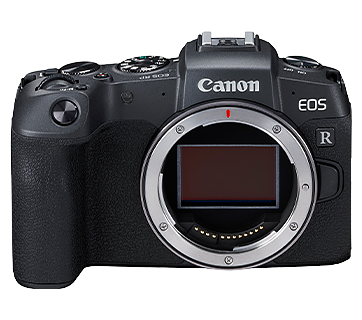
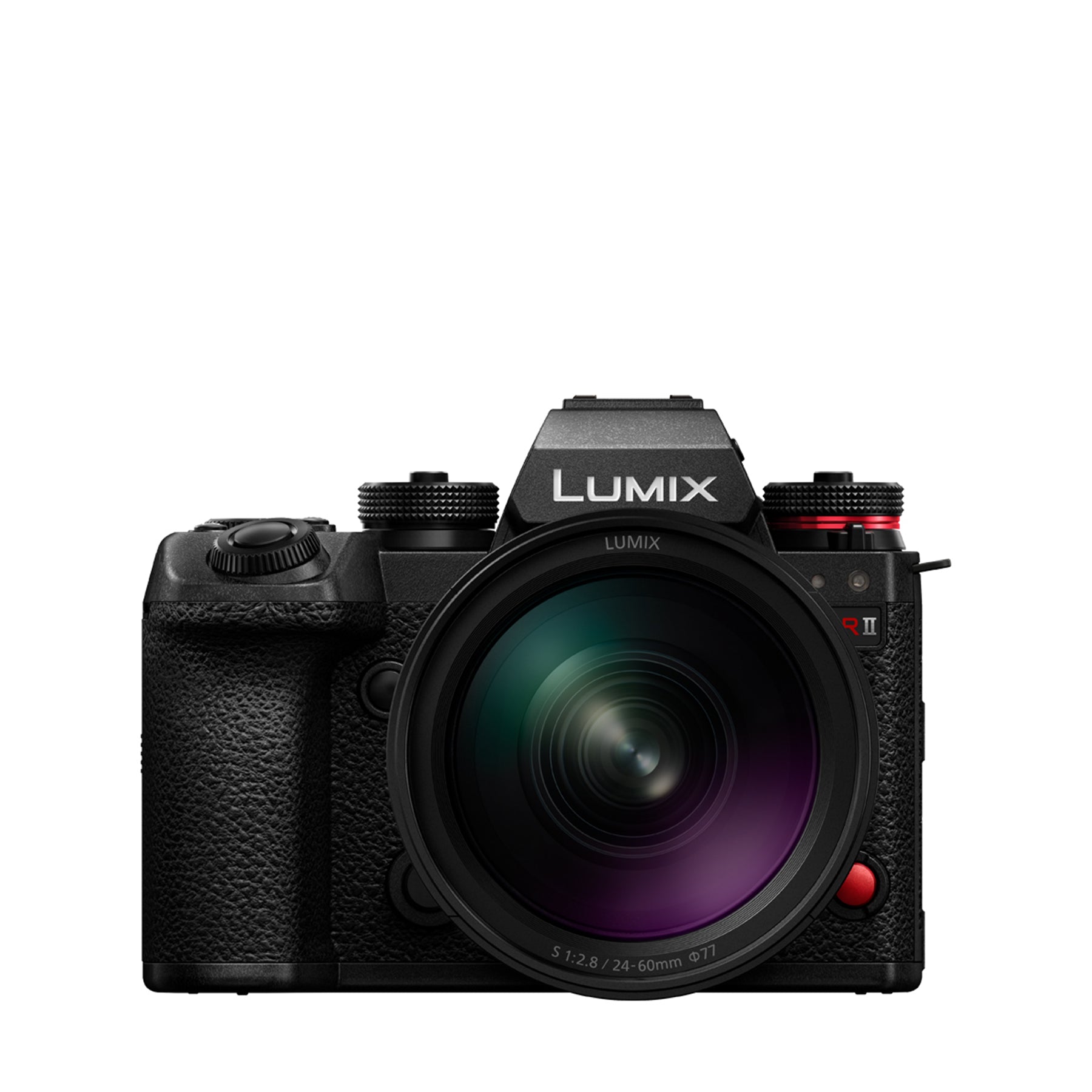
The Canon EOS RP and Panasonic S1R II are popular choices among photography enthusiasts looking for full-frame mirrorless cameras. The Canon EOS RP serves as an entry-level option for those new to full-frame photography, while the Panasonic S1R II is geared towards professional photographers with advanced needs. Buyers often find themselves torn between these two distinct models due to their varying specifications and intended uses. The key differentiators lie in their resolution, video capabilities, and user experience, which are crucial factors for photographers investing in new gear.
Specifications Comparison
Detailed Comparison
Image Quality
The image quality of both the Canon EOS RP and Panasonic S1R II is remarkable, but they cater to different types of photographers. The Canon EOS RP features a 26-megapixel full-frame sensor, which delivers high-quality images suitable for a variety of situations, such as portrait and landscape photography. Its relatively lower resolution results in smaller file sizes, making it an appealing option for those who prioritize storage efficiency.
In contrast, the Panasonic S1R II boasts an impressive 44.3-megapixel sensor, offering significantly higher resolution and detail in images. This higher megapixel count is excellent for large prints and allows for greater cropping flexibility without loss of detail, appealing to professionals who demand pristine quality.
Both cameras perform admirably at higher ISO settings, but the Canon's expanded ISO range up to 102400 provides versatility in low-light situations. However, the S1R II's superior resolution often compensates for this in terms of overall image detail, although noise performance may vary depending on usage.
Ultimately, while both cameras excel in image quality, the S1R II's higher megapixel count gives it the edge in professional applications, making it a preferred choice for detail-oriented work.
Autofocus System
The Canon EOS RP features an impressive autofocus system with 4779 autofocus points, which allows for excellent subject tracking and fast focus acquisition. Canon's Dual Pixel autofocus technology is widely regarded for its accuracy and speed, particularly for moving subjects, making it ideal for both photography and videography experiences.
On the other hand, the Panasonic S1R II also has a robust autofocus system, but it lacks the advanced phase-detection capabilities found in Canon's offering. While the S1R II has a competent depth-from-defocus autofocus system, it may not be as responsive in fast-paced scenarios as the EOS RP, especially when shooting continuously at 5 frames per second.
For videographers, the superior autofocus performance of the Canon EOS RP shines through, particularly when using Canon's RF lenses designed for the mirrorless system. This reliability is crucial for those who need to ensure sharp focus while recording.
Overall, both cameras have solid autofocus systems, but the EOS RP's faster and more effective autofocus provides a clear advantage for most users, particularly those who shoot dynamic subjects.
Video Capabilities
When comparing the video capabilities, the Panasonic S1R II is a clear standout with its ability to shoot in 8K at 30p and 4K at 120p. This makes it an excellent choice for videographers who need high-resolution footage, offering stunning clarity and flexibility in post-production. It also supports various professional video features, including V-Log and advanced color grading options.
In contrast, the Canon EOS RP can record video in 4K at 24p, which, while adequate, falls short of the specifications offered by the S1R II. Additionally, the EOS RP is known to impose a significant crop factor in 4K mode, creating limitations for wide-angle filmmakers.
Another factor is stabilization; the Canon EOS RP lacks in-body stabilization, which can be a disadvantage when shooting handheld. The S1R II benefits from sensor-shift stabilization, effectively reducing camera shake and allowing for smoother footage.
In terms of video capabilities, the Panasonic S1R II offers far superior options and flexibility, making it the favored choice for serious videographers.
Build & Ergonomics
The build quality of both the Canon EOS RP and Panasonic S1R II reflects their target audiences. The EOS RP is lightweight and compact, weighing only 485g, which makes it ideal for travel and casual use. Its smaller dimensions contribute to a user-friendly experience, especially for those not accustomed to larger professional bodies.
Conversely, the Panasonic S1R II is more robust, designed to endure harsher conditions thanks to its weather-sealed body. This makes it a preferred choice for professionals who frequently shoot outdoors under various environmental conditions. The S1R II also offers a larger grip and more buttons and dials, which some users may find advantageous for quick adjustments in the field.
In terms of screen, the EOS RP features a 3-inch touchscreen with 1,040,000 dots, offering decent usability, while the S1R II provides a higher-resolution display. However, the Canon's vari-angle screen is highly useful for creative angles and vlogging.
While both cameras present solid ergonomic designs, the S1R II wins over users requiring durability and advanced controls for professional work.
Battery & Storage
The battery life of the Canon EOS RP is notably limited, providing approximately 250 shots per charge, which might not be sufficient for intensive shooting sessions. This could be a deciding factor for photographers who shoot a lot in a single day without the option for easy battery swaps.
In contrast, the Panasonic S1R II significantly excels with a larger battery capacity, which can yield up to 360 shots or more, depending on usage patterns. This is especially beneficial for professional assignments when taking extra batteries may not be feasible. Additionally, the S1R II supports dual SD card slots, providing redundancy and extended storage options, which is advantageous for high-resolution files.
The EOS RP, with a single SD card slot, might be adequate for casual use, but it poses limitations for advanced workflows, especially those involving larger formats or lengthy video captures. Furthermore, while both cameras support UHS-II cards, the S1R II's dual slots offer more flexibility for creatives.
In this category, the S1R II is vastly superior, with better battery capacity and storage options, making it a more reliable tool for serious photographers.
Value for Money
When considering price, the Canon EOS RP is positioned as an affordable entry point into full-frame mirrorless photography at around $1299. For those new to photography, the combination of features and lower price makes it an attractive option, especially considering the quality Canon lenses available.
The Panasonic S1R II, priced significantly higher, reflects its professional-level capabilities. While the higher resolution and video capabilities justify its price point for professional users, it can be deemed excessive for amateurs or those with less demanding requirements.
Buyers must consider their specific needs: the EOS RP delivers an excellent value for casual photographers or those looking to dive into full-frame without a hefty investment. Alternatively, the S1R II justifies its cost with professional features and exceptional image quality, appealing primarily to serious creatives.
In terms of value, while the Canon EOS RP offers greater affordability, the S1R II provides exceptional features for professionals; hence, the value proposition hinges heavily on the user's experience and intended use.
Our Verdict
Overall, the Panasonic S1R II emerges as the winner due to its superior image resolution, advanced video capabilities, and robust build quality geared towards professionals. While the Canon EOS RP offers great value for casual users with its lower price and effective autofocus system, the S1R II's specifications make it the better choice for serious photographers and filmmakers who demand the highest quality in their work. Ultimately, the decision should depend on the buyer's needs-those starting out may lean towards the EOS RP, while professionals will benefit from the capabilities of the S1R II.
Canon EOS RP
Panasonic S1R II
Also Compare
Frequently Asked Questions
Which camera is better for low light conditions?
The Panasonic S1R II generally performs better in low light due to its higher resolution sensor, allowing for more detail recovery. However, the Canon EOS RP's expanded ISO range may also help in certain low-light situations.
Is the Canon EOS RP suitable for video recording?
Yes, but it's limited to 4K at 24p and has a significant crop factor. If you need higher resolution and frame rate flexibility, the Panasonic S1R II with its 8K capabilities is the better option.
How do the ergonomics compare?
The Canon EOS RP is more compact and lightweight, making it easier for casual use. In contrast, the Panasonic S1R II offers a more substantial grip and durability, appealing to professional users.
What are the battery life differences?
The Canon EOS RP offers around 250 shots per charge, while the Panasonic S1R II provides about 360 shots, making it a more reliable option for extensive shoots.
Is the price difference worth it?
It depends on your needs. The EOS RP offers excellent value for beginners, while the S1R II is geared towards professionals needing advanced features, making its higher price justifiable.