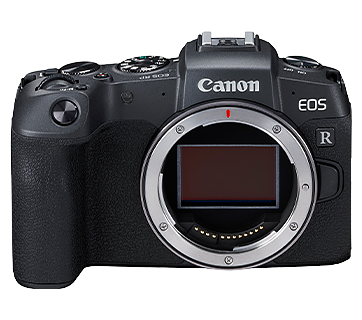
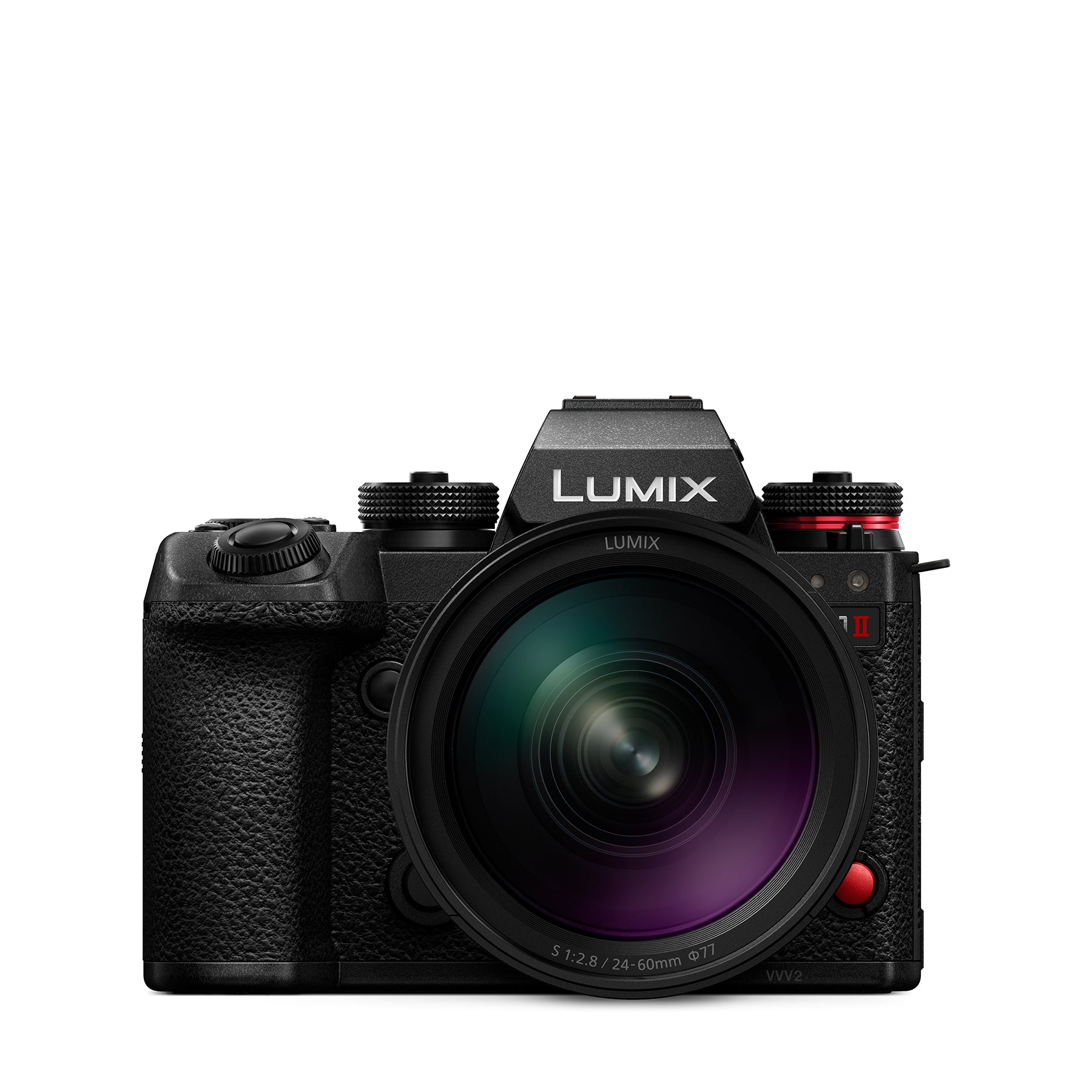
The Canon EOS RP and the Panasonic S1 II are two compelling options from different segments of the mirrorless camera market, catering to photographers who desire full-frame sensors but with distinct capabilities and user experiences. The EOS RP, being an older model from 2019, has established a strong following due to its compact size, user-friendly interface, and accessibility. Meanwhile, the S1 II, released in 2023, offers advanced features aimed at professionals or serious enthusiasts, including superior video capabilities and in-body stabilization. Buyers often find themselves at a crossroads between the relatively affordable Canon and the feature-rich Panasonic, prompting a deep dive into their specifications for a better-informed choice.
Key differentiators between these two models lie in their intended usage; the Canon EOS RP focuses on simplicity and portability for general photography, while the Panasonic S1 II emphasizes robust video production and advanced features for more technical users. This comparison will explore various specifications to help potential buyers understand which model better suits their specific needs.
Specifications Comparison
Detailed Comparison
Image Quality
Both cameras employ full-frame sensors that provide excellent image quality, but their megapixel counts reveal slight differences in resolution. The Canon EOS RP boasts a 26-megapixel sensor, while the Panasonic S1 II features a 24.1-megapixel sensor. Though the difference in megapixels may seem minimal, the EOS RP can capture slightly more intricate details, which can be an advantage in large-format prints or heavy cropping situations.
However, the real-world difference in image quality may not be pronounced. Both cameras perform well in various lighting conditions, but the EOS RP's wider ISO range (100-40000, expandable up to 102400) provides a better low-light shooting capability, enhancing its versatility, particularly for night photography. On the other hand, the Panasonic S1 II boasts impressive color rendition and dynamic range, which often yields vibrant and realistic colors.
Ultimately, while the Canon EOS RP has a slight edge in resolution and high-ISO performance, the Panasonic S1 II's overall imaging capabilities are very competitive. The choice here might come down to the specific shooting conditions and preferences in handling RAW files and post-processing work.
Autofocus System
The Canon EOS RP features an advanced Dual Pixel AF system with an impressive 4779 autofocus points, which ensures quick and accurate focusing across a wide shooting area. This system performs remarkably well in diverse situations, making it user-friendly for beginners and effective for action shots or fast-moving subjects.
On the other hand, the Panasonic S1 II, while it does not advertise an exact number of autofocus points, features a highly regarded contrast-detection system that excels in tracking subjects through a range of scenarios and lighting conditions. Many users appreciate the accuracy and reliability of Panasonic's autofocus, though it may lack the sheer number of points found in the EOS RP.
Both cameras provide effective autofocus, but the Canon EOS RP arguably offers superior ease of use without compromising on performance, particularly in more dynamic shooting environments. The added versatility and effectiveness in quickly locking focus upon subject changes solidifies the Canon as the winner in this aspect.
Video Capabilities
When it comes to video recording, the Panasonic S1 II clearly outshines the Canon EOS RP with its ability to shoot in 5.1K at 60 frames per second. This capability presents significant advantages for professional videographers and anyone interested in high-quality video production, providing an array of options for recording high-resolution footage with enhanced detail and cinematic quality.
In contrast, the Canon EOS RP can only record video at a maximum resolution of 4K 24p, which restricts its appeal for serious video creators. Additionally, the EOS RP lacks in-body stabilization, which can lead to noticeable shakiness during handheld shooting unless additional stabilization equipment is used.
Considering the demands of modern video production, the Panasonic S1 II's superior specifications in both resolution and stabilization position it as the predominant choice for videographers, solidifying its lead in video capabilities.
Build & Ergonomics
The Canon EOS RP is known for its compact and lightweight design, weighing just 485 grams, making it highly portable for travelers or street photographers who need to be agile. Its dimensions further accentuate its user-friendly form factor, with a simple interface that appeals to beginners.
In contrast, the Panasonic S1 II has a more robust build, catering to professionals who may require a more durable camera for extensive usage. While it is heavier than the EOS RP, the extra weight provides confidence in its construction. The ergonomics of the S1 II are generally perceived as excellent, with a comfortable grip and well-placed controls.
While both cameras have their merits in terms of build quality, the choice between portability and ruggedness may influence buyer decisions. Those prioritizing travel and ease of use may lean towards the EOS RP, while those who require durability might prefer the S1 II. Given these considerations, this aspect is somewhat subjective to the user's priorities.
Battery & Storage
The Canon EOS RP offers a relatively average battery life of approximately 250 shots, which can be a limiting factor for professional use or during extensive shooting sessions. This may lead users to invest in additional batteries for long shoots, particularly in situations where recharge opportunities are scarce.
Conversely, the Panasonic S1 II excels in battery performance, with an estimated capacity allowing for around 400-500 shots, significantly extending shooting duration before requiring a recharge. This is a considerable advantage for users engaged in lengthy photo or video projects where changing batteries frequently could be disruptive. Additionally, the S1 II features dual card slots, supporting both SD and high-speed cards, allowing for more flexibility in storage and performance during intensive video recording.
Given the Panasonic S1 II's superior battery life and card slot redundancy, it stands out as the more practical choice for users often on the move or engaged in intensive shooting scenarios.
Value for Money
The Canon EOS RP is positioned as an entry-level full-frame mirrorless camera, priced at $1299, and offers great value for those looking to engage in full-frame photography without breaking the bank. Its simplicity and ease of use make it an attractive option for amateur photographers, hobbyists, or those starting their journey into full-frame photography.
In contrast, the Panasonic S1 II, with its advanced features and capabilities, commands a higher price that reflects its professional focus. While priced higher, its superior video capabilities, build quality, and overall feature set provide added value for professional users or serious enthusiasts, but may be overkill for someone just beginning.
Ultimately, the choice may come down to the buyer's specific needs and budget. While the Canon EOS RP offers impressive value for entry-level users, the Panasonic S1 II provides solid investment potential for dedicated videographers and professionals who will leverage its advanced features effectively.
Our Verdict
Overall, while both the Canon EOS RP and Panasonic S1 II cater to different users, the standout winner is the Panasonic S1 II due to its advanced video capabilities, superior stabilization, and enhanced battery life that caters to professional use. However, for photographers who prioritize ease of use, portability, and affordability, the Canon EOS RP remains a powerful contender, especially for those entering the world of full-frame photography. Making a decision between these two requires understanding the primary photography or videography goals, establishing which camera aligns best with the intended use.