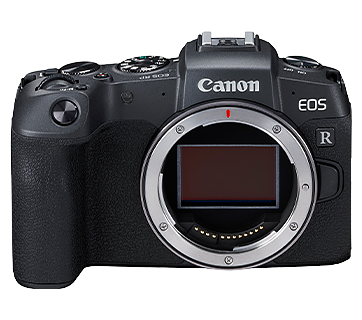
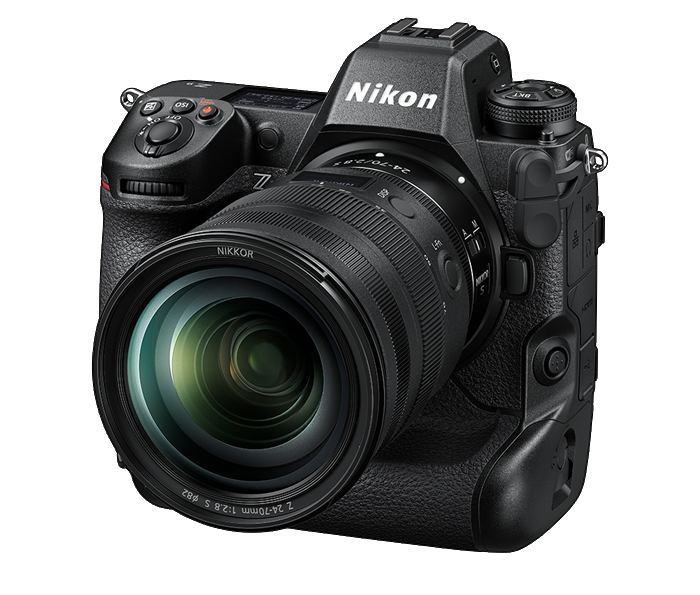
The Canon EOS RP and Nikon Z9 are two popular full-frame mirrorless cameras that cater to different segments of the photography market. The EOS RP is often considered a more entry-level option, appealing to enthusiasts and those looking to transition into full-frame photography without breaking the bank. In contrast, the Z9 is a high-end flagship model that targets professional photographers and advanced users requiring top-tier performance. When comparing these two cameras, key differentiators such as sensor resolution, autofocus capabilities, video support, and overall build quality come into play, which are crucial for potential buyers to consider based on their needs and budget.
Specifications Comparison
Detailed Comparison
Image Quality
In terms of image quality, the Nikon Z9 significantly outshines the Canon EOS RP with its 46-megapixel sensor compared to RP's 26-megapixel offering. The larger resolution of the Z9 allows for much finer detail, which is critical for large prints or extensive cropping during post-processing. Additionally, the ISO range of both cameras gives the EOS RP a broader expandable range, but the Z9 still performs better at higher ISOs due to its advanced sensor technology, yielding cleaner images in low light conditions. Canon's Dual Pixel autofocus is impressive, but the Z9's advanced sensor contributes common performance improvements, especially in detailed textures and subtle gradients.
Despite the lower megapixel count, the EOS RP produces vibrant colors and Canon's renowned skin tone reproduction which can be appealing for portrait work. However, considering the overall image quality metrics, especially in demanding conditions or high-resolution needs, the Z9 clearly leads in performance. Overall, the winner for image quality is the Nikon Z9 due to its higher resolution and better low-light performance.
Autofocus System
The Nikon Z9 boasts a robust autofocus system with 493 points compared to the Canon EOS RP's 4779 focus points. However, Canon's Dual Pixel AF technology allows for exceptional subject tracking and face detection. The Z9 takes this up a notch with its ability to lock onto moving subjects reliably in various lighting conditions and environments, making it especially favorable for sports and wildlife photography. Also, the Z9's enhanced real-time eye tracking for both humans and animals adds an impressive layer of precision that RP users may find lacking. The complexity and versatility of the Z9's autofocus system make it superior in challenging scenarios.
While the EOS RP is certainly capable, particularly for static subjects and casual photography, its autofocus speed and accuracy can't quite match that of the Z9's advanced system. Thus, users requiring the best in autofocus performance, especially in fast-paced settings, would be better served with the Z9. The autofocus winner is therefore the Nikon Z9 for its superior reliability and advanced tracking capabilities.
Video Capabilities
When it comes to video capabilities, the Nikon Z9 is a clear leader. It supports 4K video at up to 120 frames per second, enabling high-quality slow-motion footage that is particularly appealing to videographers. The EOS RP, on the other hand, is limited to 4K at 24 frames per second, which restricts its usability for dynamic shooting scenarios. Furthermore, the Z9's ability to record 8K video provides a significant advantage, ensuring future-proofing for professional videography.
The Z9 also benefits from in-body stabilization, which helps to smooth out handheld shooting in both photos and videos, an essential feature for dynamic content creation. The RP lacks stabilization, which may result in shakier footage in certain situations. Overall, with a broader scope of video options and advanced features, the Z9 stands out as the better choice for videographers. Thus, for video capabilities, the winner is the Nikon Z9.
Build & Ergonomics
The Nikon Z9 features a more robust build, including weather sealing that offers greater protection against environmental hazards, making it suitable for outdoor and professional use. Weighing 1340 grams, it is significantly heavier than the 485 grams of the EOS RP, which may be a drawback for some photographer preferences around weight and portability. The Z9's larger grip and customizable controls enhance ergonomics, especially for extended shooting sessions.
In contrast, the EOS RP is lightweight, making it an excellent choice for travel and casual photography. Its compact design might be more appealing for those who prefer a less cumbersome setup. However, the absence of weather sealing makes it less ideal for inclement conditions. Overall, while the Z9 is bulkier, it compensates with durability and handling suited for professionals. Therefore, the winner for build and ergonomics is the Nikon Z9 due to its ruggedness and user-friendly design.
Battery & Storage
The Nikon Z9 offers superior battery life, rated at approximately 740 shots per charge compared to the Canon EOS RP's 250 shots. For photographers working long hours without access to charging facilities, this is a significant advantage. Additionally, the Z9 has a dual card slot configuration, allowing for greater flexibility in storage management and redundancy, which is critical for professional use.
The EOS RP, while capable, only supports single card storage which may become a bottleneck for those capturing high volumes of photos or longer shoots. This limitation can lead to potential issues if a card fails or runs out of storage in critical shooting moments. Thus, when evaluating battery efficiency and storage options, the Z9 emerges as the clear victor due to its extensive battery life and dual card slots.
Value for Money
The Canon EOS RP is priced at $1299, making it a far more budget-friendly option for entry-level photographers and enthusiasts who may not need the advanced features of high-end models. Its price point allows users to access full-frame photography without a substantial investment, which can be appealing for those just starting out or who require a second camera for casual shooting.
In contrast, the Nikon Z9's price of $5500 positions it in the premium category, reflecting its advanced features and professional-grade specifications. While it offers excellent value for serious professionals, the cost may be prohibitive for hobbyists or those with tighter budgets. The additional investment in the Z9 is justified by its superior capabilities (like high-speed video and robust autofocus), but for those primarily shooting stills or at a less demanding level, the RP is more than sufficient. Overall, while the EOS RP provides great value for entry-level users, the Z9, albeit at a higher price, offers value in durability and professional versatility. The winner for value for money depends greatly on the buyer's needs and usage scenario, where the Canon EOS RP may appeal to the budget-conscious, but the Nikon Z9 provides worth for high-end professionals.
Our Verdict
In conclusion, the Nikon Z9 emerges as the overall winner in this comparison, primarily due to its advanced features, including high resolution, exceptional autofocus performance, superior video capabilities, and robust build quality. It is tailored for professionals and advanced users who demand top-notch performance in challenging conditions. The Canon EOS RP, while less powerful, excels in providing excellent value for aspiring photographers or casual users looking to transition into full-frame photography on a budget. Ultimately, the decision should revolve around the user's specific needs, with the Z9 being the choice for professionals and the EOS RP representing a solid entry-level option.
Canon EOS RP
Nikon Z9
Also Compare
Frequently Asked Questions
Which camera is better for beginners?
The Canon EOS RP is better for beginners due to its lower price point, lightweight design, and ease of use.
Is the Nikon Z9 suitable for wildlife photography?
Yes, the Nikon Z9's fast autofocus system and high frame rate make it ideal for capturing fast-moving subjects in wildlife photography.
Can the Canon EOS RP shoot video?
Yes, the Canon EOS RP can shoot 4K video at 24p, but it lacks advanced features compared to the Z9.
How does the battery life compare between the two?
The Nikon Z9 has a substantially longer battery life, rated at approximately 740 shots, compared to the EOS RP's 250 shots per charge.
Which camera has better lens options?
Both cameras have access to their respective ecosystems, but the choice will depend on the specific lenses needed for the user's photography style.