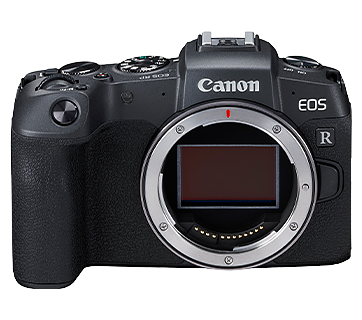
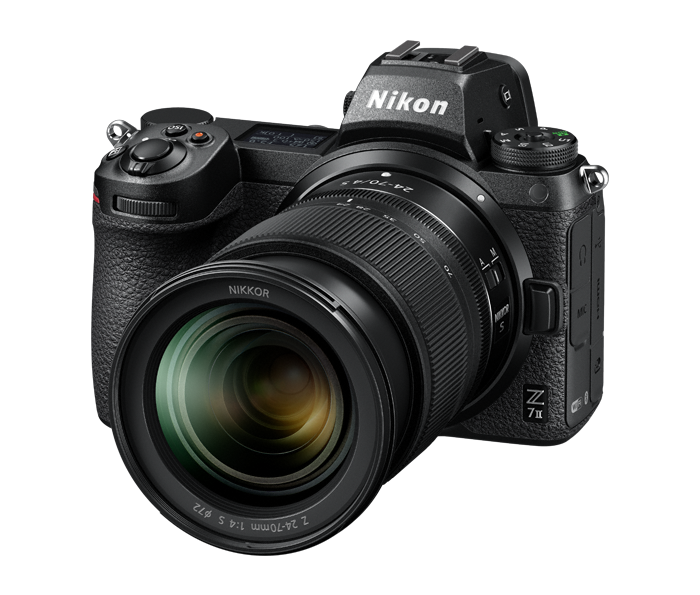
The Canon EOS RP and Nikon Z7 II are two compelling options for photographers and videographers looking to enter the full-frame mirrorless segment. The EOS RP is often favored for its lightweight design and affordability, while the Z7 II is recognized for its high resolution and advanced features, appealing to professionals and serious enthusiasts alike. Choosing between these two models involves considering factors like image quality, autofocus performance, video capabilities, and overall usability, making it a common dilemma for potential buyers.
Specifications Comparison
Detailed Comparison
Image Quality
The image quality primarily hinges on sensor performance and resolution. The Nikon Z7 II boasts a remarkable 46 megapixels compared to the 26 megapixels of the Canon EOS RP, allowing for greater detail and the capability to crop images without substantial loss. Both cameras utilize a full-frame sensor, but the Z7 II also has a slightly better ISO performance at low settings, providing more versatility in different lighting conditions. On the other hand, while the EOS RP's lower resolution can be a downside for some, it inherently offers faster processing, resulting in faster shutter speeds and less risk of image noise at high ISO settings.
Additionally, both cameras deliver good color accuracy and dynamic range, although the Z7 II tends to capture a wider range of light thanks to its superior resolution. However, many users find the differences in image quality to be marginal for general photography, which might not sway casual photographers as much as those seeking the highest quality images for large prints or demanding projects. Both systems also allow for excellent lens options that can further enhance image performance based on the user's needs.
Autofocus System
The autofocus systems have different strengths that cater to various user preferences. The Canon EOS RP features a Dual Pixel autofocus system with 4779 selectable points, which excels in live view and video situations and provides fast focusing speeds. Many users appreciate the simplicity and efficiency of its touch-focus capabilities on the vari-angle screen. However, the performance can lag in low-light conditions compared to more advanced systems.
In contrast, the Nikon Z7 II incorporates 493 autofocus points and benefits from advanced eye detection technology that considerably improves portrait and wildlife photography. Its autofocus system is perceived as having a slight edge in tracking moving subjects, even in challenging lighting environments. The Z7 II's ability to achieve precise focus quickly and quietly makes it suitable for various shooting scenarios, particularly for photography professionals who prioritize speed and accuracy.
Video Capabilities
In terms of video capabilities, the Nikon Z7 II stands out with its capacity for 4K video recording at 60p, offering greater frame rate flexibility for dynamic footage. Its higher resolution sensor not only improves still image quality but enhances video clarity as well. Additionally, the Z7 II supports a variety of video formats and has a more sophisticated thermal management system for prolonged recording sessions.
The Canon EOS RP, while still competent with 4K video at 24fps, lacks some features evident in the Z7 II. Notably, it has a 1.6x crop factor when shooting in 4K, which limits wide-angle shooting options. The EOS RP does, however, provide easy to use controls and great color science, making it suitable for vloggers and casual videographers. Overall, those looking for advanced video functionality should lean toward the Z7 II.
Build & Ergonomics
The design and ergonomics of a camera are crucial for user experience, especially during long shoots. The Canon EOS RP is notably lighter at 485g, making it a more portable option for travelers and street photographers. Its compact size coupled with its simple and intuitive layout appeals to beginners and those looking for a straightforward shooting experience. The camera's viewfinder is adequate but lacks some of the advancements seen in the Nikon Z7 II.
The Nikon Z7 II, while heavier at 705g, offers robust build quality complete with weather sealing, making it a resilient choice for outdoor photographers or those working in less-than-ideal conditions. The larger grip also provides improved handling, particularly when using larger lenses. This consideration may heavily tip favor for the Z7 II for professionals who require durability and comfort during extensive use.
Battery & Storage
Battery life plays a significant role during extended shooting sessions. The Nikon Z7 II showcases superior battery performance with a rated lifespan of approximately 420 shots per charge, while the Canon EOS RP can only capture around 250 shots. This difference can affect workflow efficiency, especially for landscape and event photographers who may not have immediate access to charging solutions.
When it comes to storage, both cameras use similar formats, but there are some differences in performance, particularly with video quality. The Z7 II supports dual card slots (one CFexpress and one SD), providing added flexibility and security for professional workflows, particularly valuable in critical shooting situations.
Value for Money
The Canon EOS RP is priced at a compelling $1299, which is attractive for those just entering the full-frame market or for enthusiasts seeking an affordable option without compromising too much on quality. Its user-friendly interface and various automatic modes make it a great choice for beginners or those who favor simplicity. The lens ecosystem for Canon RF is also growing, providing ample other choices for users.
In contrast, the Nikon Z7 II's price tag of $2999 places it in a more premium category, justifying the cost with its higher resolution sensor, better video capabilities, and overall build quality. Photographers who need advanced features for professional work will find the Z7 II a worthy investment, but for budget-conscious buyers or those who need a solid camera for casual use, the EOS RP represents significant value. The decision ultimately will depend on one's specific photographic needs and budget constraints.
Our Verdict
While the Canon EOS RP offers exceptional value and ease of use, the Nikon Z7 II stands out as the superior camera overall due to its enhanced image quality, advanced autofocus system, superior video capabilities, and robust build quality. The Z7 II is better suited for professionals or serious enthusiasts who demand high performance in a variety of shooting conditions. However, the EOS RP remains an excellent option for those seeking to enter the full-frame market without the higher investment, particularly for casual photography and travel.