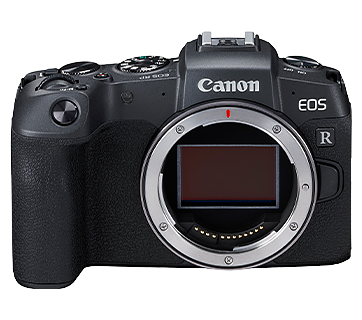
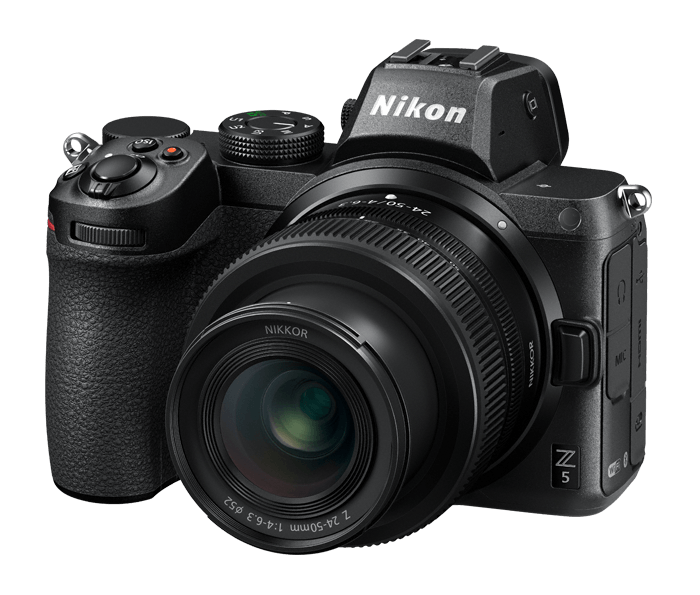
The Canon EOS RP and the Nikon Z5 are two formidable entries in the full-frame mirrorless camera market, often sought out by enthusiasts and semi-professionals alike. With the rise of mirrorless technology challenging traditional DSLRs, these cameras represent the shift toward more compact and versatile solutions for photography and videography needs. Buyers typically compare these two models due to their similar price points, feature sets, and user-friendly designs meant for both beginners and seasoned photographers.
Specifications Comparison
Detailed Comparison
Image Quality
When it comes to image quality, both the Canon EOS RP and Nikon Z5 feature full-frame sensors that deliver impressive results. The EOS RP holds a slight edge with its 26 megapixels compared to the Z5's 24 megapixels, which translates to slightly more detail in larger prints or when cropping images. Additionally, both cameras offer an ISO range that extends to 102400, providing flexibility in low-light situations. However, the Nikon Z5 provides a superior noise handling performance at higher ISOs due to its well-optimized sensor and image processing engine. Overall, while both cameras provide excellent image quality, the Z5 offers more reliable performance in varied lighting conditions.
Autofocus System
The autofocus capabilities of the two cameras demonstrate notable differences essential for various styles of photography. The Canon EOS RP features an impressive 4779 autofocus points, which allows for very precise autofocus performance and tracking. In contrast, the Nikon Z5 employs 273 autofocus points, making it less plentiful in comparison. However, the Z5 benefits from a sophisticated real-time eye-tracking focus for both people and animals, which can be crucial for portrait and wildlife photographers. While the numbers heavily favor the Canon in sheer quantity, the qualitative tracking and complexity of the Nikon's system give it a commanding presence in specific use cases.
Video Capabilities
Video specifications often play a vital role in a camera selection process, and both the EOS RP and Z5 have unique offerings. The RP is capable of recording 4K video at 24 frames per second but comes with a significant crop factor that can limit wide-angle shooting. On the other hand, the Nikon Z5 offers a more versatile 4K video resolution at 30 frames per second with no crop in video capture. The Z5 also features in-body stabilization, which is a notable addition for videographers who wish to capture steadier shots without needing an external rig. Overall, for video performance, the Z5 stands out as the more comprehensive option.
Build & Ergonomics
When assessing build quality and ergonomics, the Nikon Z5 boasts a more robust design, featuring weather sealing-an essential factor for outdoor photography. Its slightly larger size, at 134 x 101 x 70 mm and weight of 675 grams, provides a substantial grip, appealing to users with larger hands. In contrast, the Canon EOS RP is lighter and more compact at 485 grams, with dimensions of 133 x 85 x 70 mm, making it more portable for everyday use. While the RP has a slightly larger screen at 3 inches versus the Z5's 3.2 inches, the Z5's ergonomics often win due to its weather resistance and grip comfort, which is ideal for prolonged shooting sessions.
Battery & Storage
Battery life is a critical aspect for photographers when selecting a camera. The Canon EOS RP has a relatively modest battery life, rated at approximately 250 shots, which can be limiting during extended shoots, especially for those who prefer shooting in bursts or video. Conversely, the Nikon Z5 offers a significantly improved battery performance with around 470 shots per charge. Furthermore, both cameras utilize SD card storage, but the Z5's dual slots provide redundancy and flexibility, allowing users to manage storage more effectively during long shoots. This translation of battery life and storage capability gives the Z5 a clear advantage for serious photographers.
Value for Money
In terms of pricing, the Canon EOS RP is positioned at $1299, while the Nikon Z5 comes in at $1399. The pricing reflects the features included in each model. Although the RP is less expensive and offers an extensive range of autofocus points, it lacks some critical features that are advantageous for shooting in varied environments, such as weather sealing or superior battery life seen in the Z5. Economically speaking, the Z5 provides greater value for those looking for build quality, video specifications, and longevity in battery life. However, those on a tighter budget or who primarily shoot photography may find the EOS RP appealing for its lower price point.
Our Verdict
Considering the overall comparison, the Nikon Z5 excels in several key areas such as image quality in low light, enhanced video capabilities, and user-friendly ergonomics with weather sealing and superior battery performance. The Canon EOS RP, while a strong contender, particularly in autofocus versatility, falls short in aspects that could significantly impact the shooting experience for professionals and serious hobbyists. Therefore, for most applications ranging from photography to comprehensive video work, the Z5 presents itself as the preferable option.