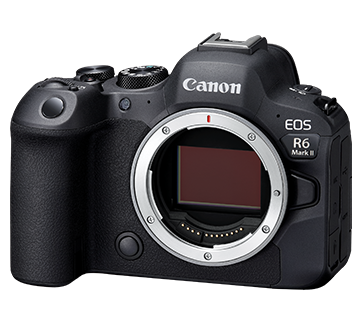

The Canon EOS R6 Mark II and the Sony ZV-E1 are two exceptional full-frame mirrorless cameras that cater to different segments of the photographer and videographer market. The R6 Mark II, aimed primarily at professional and enthusiast photographers, offers advanced features suitable for various shooting conditions. In contrast, the ZV-E1 is tailored for content creators and vloggers, emphasizing ease of use and effective video performance. Potential buyers often find themselves drawn to these models due to their impressive specifications, but understanding their key differentiators is crucial for making an informed decision.
In terms of sensor technology and autofocus capabilities, both cameras offer robust features. Still, key differences in megapixels, weight, battery life, and stabilization can significantly impact performance depending on the intended use. Buyers should consider how they plan to utilize these cameras-whether for photography, videography, or a combination-before making a choice.
Specifications Comparison
Detailed Comparison
Image Quality
The Canon EOS R6 Mark II features a full-frame sensor with 24 megapixels, providing a rich and detailed image capture that excels in low-light situations, especially with its impressive ISO range of 100-102400 (expandable to 204800). The higher resolution offers more flexibility for cropping while retaining image quality, making it a favorite for photographers who require detailed images in diverse lighting conditions. In contrast, the Sony ZV-E1 has a 12-megapixel sensor, which, while still capable of delivering high-quality images, may not offer the same level of detail, especially in large prints or heavy cropping scenarios. However, the ZV-E1's ISO performance is noteworthy, with an impressive range of Auto, 80-102400 (expandable to 40-409600), providing great low-light performance.
Despite the lower megapixel count, the ZV-E1 is designed with video and content creation in mind, meaning it balances well for vlogging and on-the-go photography. In terms of dynamic range, the R6 Mark II often has an upper hand due to its higher resolution, allowing for better detail in shadows and highlights.
In summary, while the R6 Mark II boasts better image quality for static photography, the ZV-E1 performs competently in specific contexts, particularly for video and casual snapshots. Thus, the winner in terms of raw image quality is predominantly the R6 Mark II.
Autofocus System
When it comes to autofocus, the Canon EOS R6 Mark II features a staggering 4897 autofocus points, utilizing Dual Pixel CMOS AF II technology for fast and accurate focusing, particularly in dynamic shooting environments. This extensive autofocus system is particularly advantageous for sports and wildlife photographers, as it provides a quick and reliable omnidirectional focus coverage. The addition of real-time eye autofocus also enhances portrait photography and videography, ensuring that subjects are sharply in focus.
On the other hand, the Sony ZV-E1 has 759 autofocus points, which while slightly less than the R6 Mark II, still offers robust performance with Real-Time Eye AF and subject tracking capabilities. This is particularly beneficial for vlogging, where continuous focus on moving subjects is critical. However, in practical comparisons, users report that the overlapping coverage and point density of the R6 Mark II often gives it the edge in complex scenarios.
In conclusion, while both systems are sophisticated and efficient, the Canon R6 Mark II's superior autofocus performance makes it a more reliable option for high-stakes capture situations. Therefore, for users concerned with autofocus reliability and precision, the clear winner is the R6 Mark II.
Video Capabilities
Both the Canon EOS R6 Mark II and Sony ZV-E1 support 4K video recording at 60p, making them suitable for high-quality video production. However, the R6 Mark II offers additional versatility with its in-body image stabilization (IBIS) rated at 8 stops, allowing for smoother and more stable shots, especially for handheld videography. The stabilization features are particularly useful for run-and-gun shooting scenarios, which are common among filmmakers and content creators.
Conversely, the Sony ZV-E1, while it does feature stabilization, is rated at 5 stops, which may be noticeable during panning or more dynamic shots. The ZV-E1, however, comes packed with video-centric features, such as a background defocus function, product showcase mode, and a fully articulating touchscreen, making it very appealing for vloggers and content creators focused on ease of use.
In summary, while both cameras excel in video capabilities in their own right, the Canon R6 Mark II provides better stabilization for general videography. However, the ZV-E1's specialized features cater better to the needs of vloggers. Ultimately, the decision may rest on the specific videography needs of the buyer.
Build & Ergonomics
The Canon EOS R6 Mark II has a robust and weather-sealed build, making it ideal for photographers and videographers who often find themselves in challenging environments. It weighs in at 670g, which can feel substantial, but its ergonomically designed grip allows for easier handling during long shooting sessions. The camera features a high-resolution electronic viewfinder which is invaluable for precise framing and composition in various lighting conditions.
In comparison, the Sony ZV-E1 is considerably lighter at 483g, making it more portable and easier to carry for extended periods, especially for vlog-style shooting. Although it lacks a viewfinder, its lightweight design and compact size improve its usability for content creators. Additionally, the ZV-E1's fully articulating touchscreen adds to its appeal for self-recording. Both cameras are well-constructed and weather-sealed, ensuring resilience under mild environmental challenges.
In conclusion, while the R6 Mark II provides a more traditional DSLR feel with robust handling, the ZV-E1's lightweight and portability is attractive for those primarily shooting video. Ultimately, the choice depends on the user's shooting style and primary focus.
Battery & Storage
The Canon EOS R6 Mark II showcases an impressive battery life of approximately 580 shots, providing ample power for extended shooting sessions without the constant need for a recharge. This is particularly beneficial for photographers who require reliability during long events or shoots. Additionally, it supports dual SD card slots, allowing for flexible storage solutions and redundancy in the field.
On the other hand, the Sony ZV-E1 is slightly behind in battery life at about 570 shots and has a single card slot, which might be a concern for users planning to shoot high volumes of content or who want to ensure they never run out of space. While its performance is commendable, the lack of dual slots could limit its utility for professional workflows.
Therefore, although both cameras offer respectable battery lives, the additional flexibility of dual card slots in the R6 Mark II makes it a more attractive option for serious photographers seeking reliability and storage freedom.
Value for Money
The Canon EOS R6 Mark II, while possessing an MSRP typically higher than that of the Sony ZV-E1, packs many features that justify the investment for serious photographers and videographers. It offers a more versatile set of functionalities, outstanding autofocus performance, and superior image quality, which can be crucial for professional use.
In contrast, the Sony ZV-E1 offers a more budget-friendly price point, particularly appealing to content creators and vloggers who need high-quality video performance without the advanced features typically required by professional photographers. The ZV-E1's features, such as its vlogging capabilities and portability, present excellent value for casual users and upwards, adding to its overall appeal.
In summary, for photographers chasing the highest quality and professional capabilities, the R6 Mark II represents a worthwhile investment. For vloggers and casual shooters, the ZV-E1's more manageable price point and specialized features make it a more suitable value option.
Our Verdict
Overall, the Canon EOS R6 Mark II emerges as the winner given its superior image quality, autofocus performance, and build quality. It serves as an excellent choice for both professional photographers and serious videographers seeking a reliable and versatile tool. Meanwhile, the Sony ZV-E1 excels in portability and usability for content creation, presenting great value for vloggers and casual shooters. Ultimately, the best choice will depend on individual needs: for comprehensive photography and videography capabilities, the R6 Mark II is recommended; for streamlined video creation, the ZV-E1 remains a strong contender.
Canon EOS R6 Mark II
Sony ZV-E1
Also Compare
Frequently Asked Questions
Which camera is better for low-light photography?
The Canon EOS R6 Mark II is better for low-light photography due to its higher megapixel count and superior ISO performance.
Is the Sony ZV-E1 suitable for professional photography?
While the Sony ZV-E1 is primarily designed for video and content creation, it can handle basic photography, but it may not meet the quality demands of professional photographers compared to the R6 Mark II.
How do these cameras perform in video recording?
Both cameras support 4K video at 60p, but the Canon R6 Mark II offers better stabilization and image quality while the ZV-E1 features video-specific functionalities appealing for vloggers.
What are the major differences in lens ecosystems?
The Canon EOS R6 Mark II utilizes the Canon RF mount, offering a wide range of high-quality lenses. The Sony ZV-E1 uses the Sony E mount, which also has a diverse selection of lenses. Your choice may depend on existing lenses you own or specific lens requirements for your photography style.