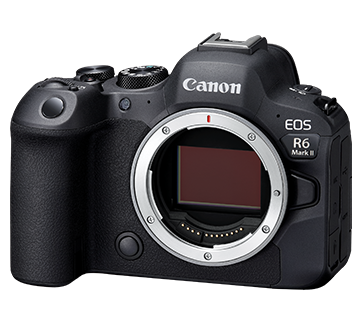
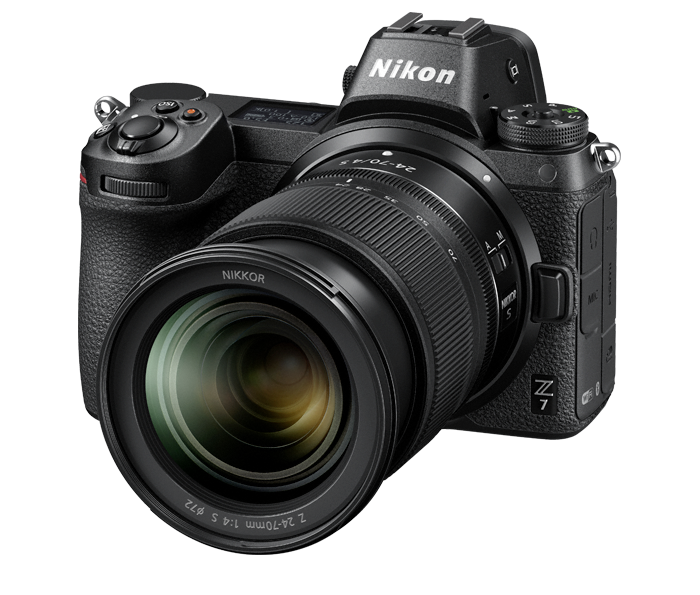
The Canon EOS R6 Mark II and Nikon Z7 are two full-frame mirrorless cameras that attract photographers and videographers seeking high-quality imaging and advanced features. Both cameras offer unique strengths that cater to different user needs, making them popular choices among enthusiasts and professionals. The EOS R6 Mark II shines with its high-speed performance and impressive low-light capabilities, while the Z7 boasts higher resolution and more detailed image capture, catering to those who prioritize resolution in their work. Choosing between these two formidable options often boils down to specific use cases and personal preferences regarding brand, ergonomics, and feature sets.
Specifications Comparison
Detailed Comparison
Image Quality
When it comes to image quality, the Nikon Z7 takes the lead with its 46-megapixel sensor, providing unparalleled detail and resolution for large print sizes or extensive cropping. The EOS R6 Mark II, while lower at 24 megapixels, excels in low-light conditions, with a wider ISO range that extends to 204800, compared to the Z7's maximum of 102400. This means that the R6 Mark II may produce clearer images in high ISO scenarios, reducing noise significantly during nighttime or indoor shooting. Additionally, the Z7's slightly smaller sensor size (35.9 x 23.9 mm) may impact depth of field characteristics compared to the R6 Mark II's 36 x 24 mm size. Both cameras produce outstanding colors and dynamic range, but the Z7's higher megapixel count may appeal more to landscape photographers or those who require extreme detail.
Autofocus System
Both the Canon EOS R6 Mark II and the Nikon Z7 feature advanced autofocus systems, but they cater to different priorities. The R6 Mark II showcases an impressive 4897 AF points, which enables more precise focus tracking and subject detection, particularly for fast-moving subjects in sports or wildlife photography. In comparison, the Z7 offers 493 AF points, which, while effective, does not quite match Canon's spread. Additionally, the R6 Mark II's Dual Pixel AF technology provides smooth and accurate focusing during video recording and live view, making it a favorite among creators who need reliable performance while shooting video. The Nikon Z7, however, includes focus peaking and a more reliable face detection system, which can be beneficial for portrait photography. Overall, the R6 Mark II's autofocus capabilities make it stand out for action photography.
Video Capabilities
In the realm of video, the Canon EOS R6 Mark II significantly outperforms the Nikon Z7. The R6 Mark II supports 4K video at 60 frames per second, making it ideal for high-frame-rate cinematic shooting, while the Z7 is limited to 4K at 30 fps. This higher frame rate is a critical feature for videographers looking to create smooth, slow-motion footage. Moreover, the R6 Mark II benefits from in-body stabilization of up to 8 stops, ensuring more stable handheld shots during recording, while the Z7 provides only 5 stops of stabilization. The electronic viewfinder and screen on both cameras are adequate for video work, but the R6 Mark II also offers superior video autofocus capabilities, which enhances usability for vloggers and content creators.
Build & Ergonomics
Both cameras are designed with weather sealing, ensuring durability in challenging environments, but they have distinct ergonomics. The Canon EOS R6 Mark II features a slightly bulkier form factor at 670 grams, which may feel more substantial in hand for extended shooting sessions. In contrast, the Nikon Z7 weighs in at 675 grams but has a more compact design, measuring slightly smaller in overall dimensions, making it easier to carry. Canon's R6 Mark II has a 3-inch screen with 1,620,000 dots, while the Nikon Z7 offers a larger 3.2-inch screen with 2,100,000 dots, providing improved visibility and control during shooting. Ultimately, the ease of handling will depend on personal preference, as well as how the camera feels in different shooting positions.
Battery & Storage
Battery life is another critical aspect to consider, especially for those who shoot extensively in a single day. The Canon EOS R6 Mark II boasts a battery life of approximately 580 shots per charge, which significantly outperforms the Nikon Z7's 330 shots. This could make a substantial difference for event photographers or anyone who prefers not to carry extra batteries. In terms of storage, both cameras support dual card slots; however, the Z7 is limited to XQD and CFexpress cards, while the R6 Mark II uses SD UHS-II slots, which may be more convenient for those who already own SD cards. The versatility in storage options and longer battery life on the R6 Mark II provides an edge for prolonged shooting sessions.
Value for Money
When evaluating value for money, the Canon EOS R6 Mark II offers a compelling package at a lower price point, targeting both professionals and enthusiasts at an accessible price. Conversely, the Nikon Z7 is priced at $3399, making it a more substantial investment. Although the Z7 delivers high-resolution images and is excellent for studio work, many users may find that the R6 Mark II's versatile features and superior performance in dynamic environments provide better overall value. The advanced video and autofocus capabilities of the R6 Mark II also cater well to modern content creators. Ultimately, the price-to-performance ratio favors the Canon system, especially for those needing a robust hybrid camera that excels in both photography and video.
Our Verdict
Overall, the Canon EOS R6 Mark II stands out as the better choice for a broader range of users, particularly for those who require fast autofocus, impressive low-light performance, and superior video capabilities. While the Nikon Z7 excels in high-resolution image capture, its higher price and more limited video features may deter those who value a well-rounded shooting experience. The R6 Mark II is particularly suitable for event photographers, videographers, and anyone needing versatility from their camera system, making it a clear winner in this comparison.
Canon EOS R6 Mark II
Nikon Z7
Also Compare
Frequently Asked Questions
Which camera has better low-light performance?
The Canon EOS R6 Mark II is designed with low-light performance in mind, featuring an ISO range that expands up to 204800, allowing for clearer images in challenging lighting conditions compared to the Nikon Z7.
Is the higher resolution of the Nikon Z7 worth it?
If your primary focus is detailed landscapes or studio photography where large prints and extensive cropping are common, the Nikon Z7's 46 megapixels may be worthwhile. However, for general photography and video, the R6 Mark II may better serve most users.
What is the best camera for video shooting?
The Canon EOS R6 Mark II offers superior video specifications with 4K at 60 fps and advanced in-body stabilization, making it a better choice for videographers looking for high performance in a hybrid camera.
Which camera is easier to carry around?
While both cameras are similar in weight, the Nikon Z7 has a more compact design which may make it slightly easier to carry, although individual preferences regarding bulkiness may vary.
How do the lens ecosystems compare?
Canon's RF mount lens ecosystem is rapidly expanding with a diverse range of high-quality options, while Nikon's Z mount also offers solid lens choices but has a smaller variety as of now. Your choice may depend on specific lens availability and intended use.