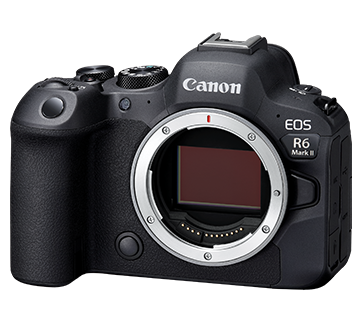
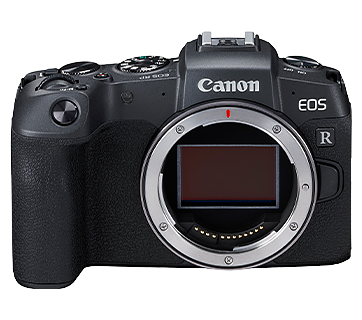
The Canon EOS R6 Mark II and the Canon EOS RP are two highly regarded full-frame mirrorless cameras from Canon, appealing to a diverse range of photographers, from enthusiasts to semi-professionals. Both models share the same RF mount, making them compatible with Canon's growing lineup of RF lenses. Consequently, many buyers find themselves weighing the strengths and weaknesses of these cameras, especially when considering aspects like image quality, autofocus performance, and video capabilities. The R6 Mark II stands out with its advanced features, but the RP remains a competitive and budget-friendly option for those who may not need the latest technology.
Specifications Comparison
Detailed Comparison
Image Quality
Both the Canon EOS R6 Mark II and EOS RP offer impressive image quality typical of full-frame sensors. The R6 Mark II features 24 megapixels, while the RP boasts slightly higher at 26 megapixels. Despite the difference in resolution, real-world differences in image quality can be subtle. The R6 Mark II has a broader ISO range, capable of 100-102400 (expandable to 204800), which aids in low-light situations, producing cleaner images at high ISOs compared to the RP, which caps at 100-40000 (expandable to 50-102400). Additionally, the R6 Mark II offers more advanced image processing options, potentially delivering better dynamic range and color accuracy. While both cameras can produce stunning images, the R6 Mark II has the edge for those prioritizing versatility across various lighting conditions.
Autofocus System
The autofocus systems in both cameras are very capable, but the R6 Mark II is a clear leader in this category. It features an impressive 4897 autofocus points compared to the RP's 4779 points, providing faster and more accurate subject tracking. The R6 Mark II's Dual Pixel CMOS AF II technology enhances its ability to track moving subjects, making it ideal for sports and wildlife photography. In contrast, the RP offers excellent performance suitable for most scenarios but may struggle in fast-paced situations. Both models include eye-detection focus for portraits, but the R6 Mark II's superior tracking capabilities make it preferable for action shots and dynamic environments.
Video Capabilities
When comparing video features, the Canon EOS R6 Mark II significantly outperforms the RP. The R6 Mark II can shoot 4K video at 60 frames per second, allowing for smoother motion and better quality for dynamic scenes. It also has improved video stabilization rated at 8 stops, which enables smoother handheld shooting. The RP, on the other hand, is limited to 4K at only 24 frames per second and lacks built-in stabilization, making it less suited for video production. For videographers or those wanting to capture high-quality footage, the R6 Mark II offers many advantages.
Build & Ergonomics
Both the R6 Mark II and RP have solid, ergonomic designs, but they cater to slightly different preferences. The R6 Mark II is slightly larger and heavier at 670 grams, compared to the RP's 485 grams, which may affect portability for those who prioritize weight. The R6 Mark II also features weather sealing, making it more durable for outdoor shooting in inclement weather. Both cameras have similar dimensions for their screens, but the R6 Mark II's display has a higher resolution at 1,620,000 dots, providing clearer visuals. For photographers who value build quality and durability, the R6 Mark II is the stronger option.
Battery & Storage
In terms of battery performance, the R6 Mark II again takes the lead with an impressive battery life of approximately 580 shots per charge, significantly exceeding the RP's 250 shots. This is critical for event photographers or anyone needing to shoot without frequent interruptions for battery changes. Both cameras utilize Canon's RF mount and are compatible with similar storage options, but the R6 Mark II's extended battery life adds a clear benefit for extended shooting sessions or on-the-go use.
Value for Money
Both cameras are competitively priced, but the EOS RP is marketed as a budget-friendly full-frame mirrorless option at around $1299, making it accessible for entry-level photographers. However, considering its higher performance features and advanced capabilities, the R6 Mark II, although priced higher, can be justified for those who require enhanced functionality, especially in autofocus, video recording, and overall durability. The RP is more suited for hobbyists or those starting in full-frame photography, while the R6 Mark II appeals to serious enthusiasts and professionals looking for a versatile camera.
Our Verdict
Overall, the Canon EOS R6 Mark II emerges as the superior choice for most photographers due to its advanced features, exceptional autofocus, and outstanding video capabilities. It excels in low-light performance, making it a favored option for event and wildlife photographers. On the other hand, the Canon EOS RP is a robust option for entry-level users seeking a full-frame experience at a more accessible price point. While the RP may suit those with less demanding photography needs, the R6 Mark II's versatility and performance make it the overall winner in this comparison.
Canon EOS R6 Mark II
Canon EOS RP
Also Compare
Frequently Asked Questions
Which camera is better for low-light photography?
The Canon EOS R6 Mark II excels in low-light conditions due to its wider ISO range and improved sensor performance compared to the EOS RP.
Is the R6 Mark II worth the extra money?
If you need advanced features like superior autofocus, higher frame rate video, and better battery life, the R6 Mark II justifies the price difference for serious photographers.
Are the lenses interchangeable between the two models?
Yes, both models utilize the Canon RF mount, allowing for the same lens options and easy interchangeability.
Can the EOS RP handle professional shoots?
While it can handle hobbyist shoots well, the RP may not be the best choice for professional work that demands features like advanced autofocus and video capabilities.
Which camera has better video stability?
The Canon EOS R6 Mark II features up to 8 stops of stabilization, while the RP lacks built-in stabilization, making the R6 Mark II a better choice for video work.