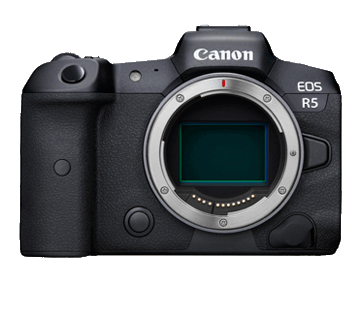
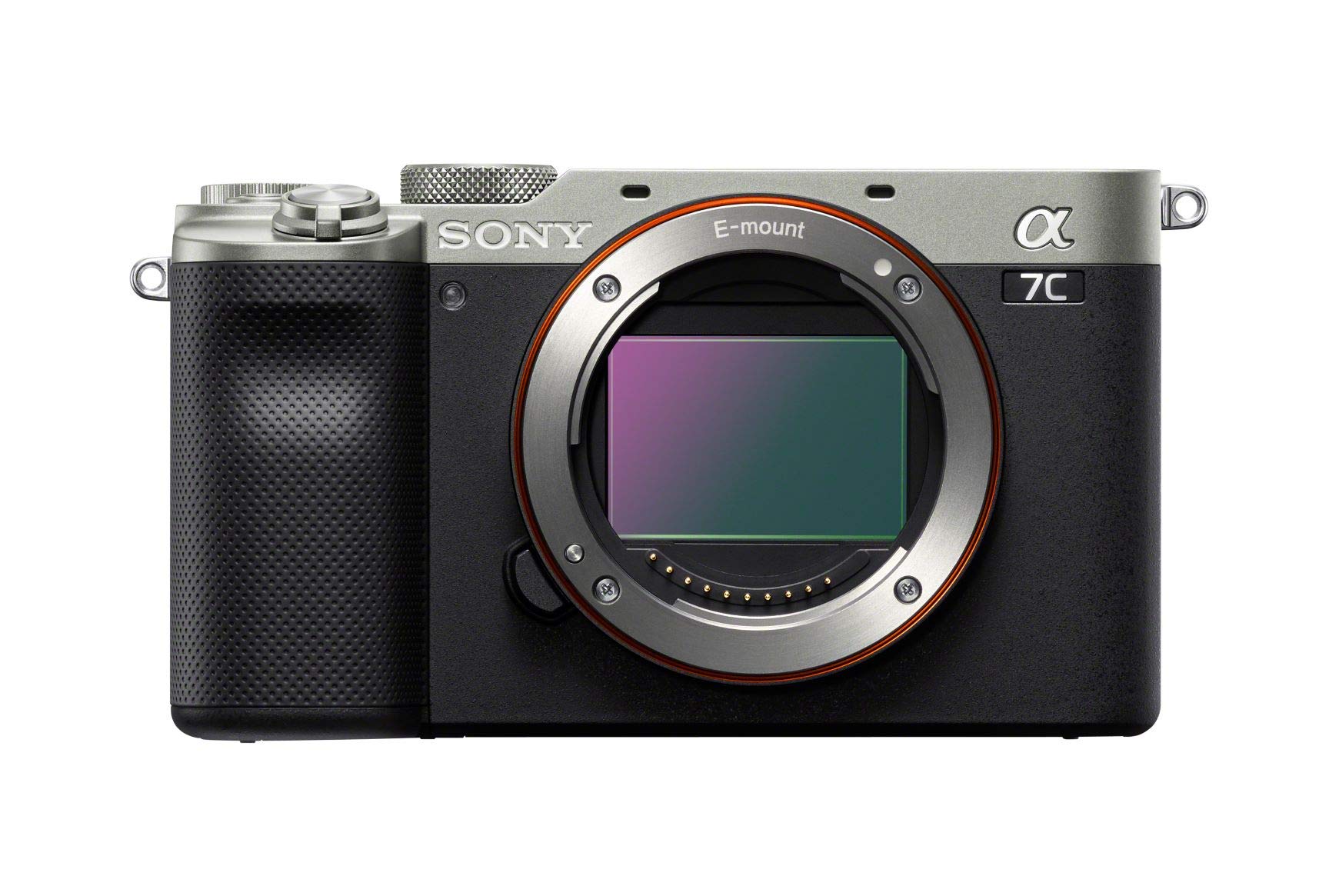
The Canon EOS R5 and the Sony A7C are frequently compared by photographers and videographers looking for a full-frame camera that balances performance and versatility. Both models were released in 2020, and they represent the pinnacle of their respective brands' offerings for different user groups. The Canon EOS R5 is aimed at professionals and serious enthusiasts who require high resolution, superior autofocus, and robust video features. In contrast, the Sony A7C appeals to those who prioritize compactness and a more budget-friendly option without sacrificing too much on performance. Key differentiators between these two cameras include their megapixel count, autofocus capabilities, video specifications, build quality, and overall value proposition.
Specifications Comparison
Detailed Comparison
Image Quality
The Canon EOS R5 boasts a staggering 45 megapixels, which allows for incredibly detailed images, making it ideal for landscape and studio photographers who need large prints or extensive cropping possibilities. The R5's ISO range of 100-51200 (expandable to 102400) also ensures commendable low-light performance, enabling photographers to capture images with minimal noise. In comparison, the Sony A7C, with its 24 megapixels, offers good image quality suitable for typical consumer and enthusiast photography but can fall short when high resolution is critical. Its ISO range, which extends from 100-51200 (with an expansion up to 204800), does perform well in low-light scenarios, but the detail captured at lower ISOs is less impressive than that of the R5. Therefore, for photographers prioritizing image quality and resolution, the EOS R5 is clearly the stronger choice.
Autofocus System
The Canon EOS R5 is equipped with an impressive 1053 AF points that provide exceptional autofocus coverage and tracking capabilities. This is particularly beneficial in fast-paced or dynamic situations, such as wildlife or sports photography. The camera's Dual Pixel autofocus is highly regarded for its speed and accuracy, even in challenging lighting conditions. On the other hand, the Sony A7C features a solid 693 AF points, which also offers fast and reliable focusing. While the autofocus system in the A7C is commendable, the R5's superior number of points allows for greater accuracy and faster tracking. For users whose work demands quick and reliable focusing, the R5 takes the lead.
Video Capabilities
In terms of video capabilities, the Canon EOS R5 again shines with its ability to shoot 4K at up to 120 frames per second. This feature makes it ideal for filmmakers looking to achieve smooth slow-motion footage. The R5 is also capable of 8K video recording, giving filmmakers incredible resolution for professional applications. Conversely, the Sony A7C has solid video capabilities as well, supporting 4K video recording at a maximum of 30 fps. While this is adequate for most casual videography, it doesn't compare to the advanced options available in the R5. The stabilization in the R5 is rated at 8 stops, compared to the A7C's 5 stops, offering smoother handheld footage. Thus, when it comes to video performance, the EOS R5 is the clear winner.
Build & Ergonomics
The Canon EOS R5 is somewhat larger and heavier, weighing in at 738 grams with dimensions of 138 x 98 x 88 mm. This rugged design is complemented by its weather-sealed body, ensuring it can withstand tough environmental conditions, making it ideal for serious outdoor photographers. The A7C is more compact and lightweight at 509 grams and measures 124 x 71 x 60 mm, which can be advantageous for travel and street photography where portability is key. However, while the A7C is also weather-sealed, the R5's build quality tends to give users a more solid feel. Ultimately, those who value portability may prefer the A7C, while those needing durability and a more substantial grip for stability might lean towards the R5.
Battery & Storage
In terms of battery performance, the Sony A7C takes the lead with a longer battery life, providing approximately 740 shots per charge. This makes it a favorable choice for long shooting sessions without the hassle of frequently changing batteries. In contrast, the Canon EOS R5 offers a battery life of around 320 shots, which might necessitate additional battery purchases for extensive shooting. However, both cameras use similar storage formats, with the R5 using dual card slots (one CFexpress + one SD UHS-II) that provide higher speed options, which is essential for the extensive data generated by high-resolution images and 8K video. Overall, the A7C may be more appealing for users concerned about battery life, while the R5's storage versatility is advantageous for professional workflows.
Value for Money
The Canon EOS R5 is priced at $3899, reflecting its advanced features and superb image quality, making it better suited for professionals who can leverage its capabilities. While the cost is significant, the R5's performance may justify the investment for those earning through photography. The Sony A7C, at a substantially lower price point of $1799, offers excellent value for enthusiasts entering the full-frame market or those who require a capable camera without breaking the bank. Although it lacks some of the advanced features of the R5, it provides high-quality performance suitable for a broad range of photography needs. Therefore, in terms of overall value, especially for budget-conscious buyers, the A7C is more appealing.
Our Verdict
Overall, while both the Canon EOS R5 and the Sony A7C have their strengths, the Canon EOS R5 wins overall due to its superior image quality, autofocus capabilities, and video features that cater to professional photographers and videographers. The R5 is the ideal choice for those who need the best performance without compromise. However, the Sony A7C offers great value for money and is perfect for travel and casual photography, making it an excellent choice for enthusiasts and those on a budget. Users must weigh their specific needs and priorities to determine which model best suits their photography style.
Canon EOS R5
Sony A7C
Also Compare
Frequently Asked Questions
Which camera is better for low-light photography?
The Canon EOS R5 has a slightly lower noise level at high ISOs due to its 45-megapixel sensor, making it more suitable for low-light environments compared to the Sony A7C.
Is the Canon EOS R5 better for video production?
Yes, the Canon EOS R5 is superior for video production, offering 4K at 120 fps and even 8K recording, compared to the more limited 4K at 30 fps of the Sony A7C.
Which camera is more portable?
The Sony A7C is the more portable option due to its compact size and lightweight design, making it an excellent choice for travel and street photography.
What about the lens availability for each camera?
Both Canon RF and Sony E mount ecosystems offer a wide range of high-quality lenses. Canon RF has fewer options at present, but it is rapidly expanding. For general availability, Sony E mount lenses are more extensive due to a longer market presence.
Does the Canon EOS R5 justify its price?
If you require high resolution, advanced video features, and top-tier performance for professional work, the pricing of the Canon EOS R5 can be justified. For casual users, the Sony A7C presents a more budget-friendly option without sacrificing too much quality.