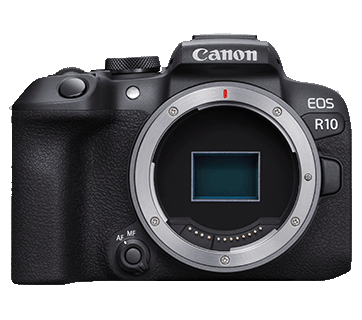
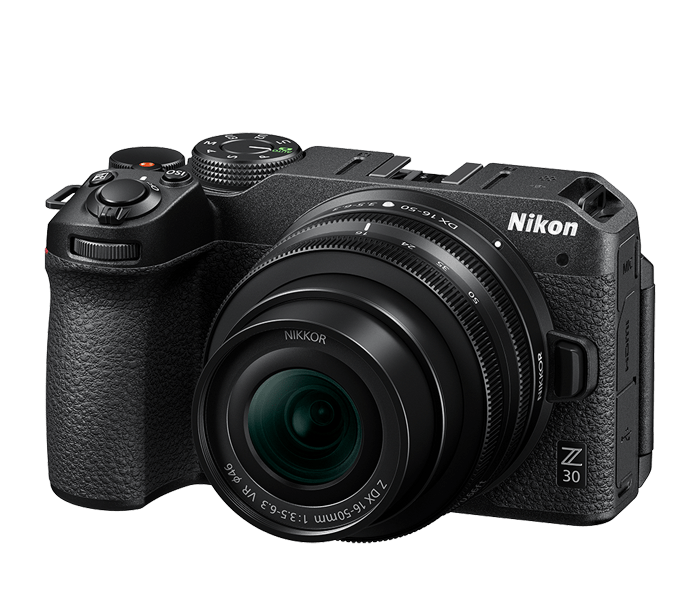
The Canon EOS R10 and Nikon Z30 are two popular APS-C mirrorless cameras released in 2022, appealing to both enthusiasts and vloggers due to their compact design and robust performance. They are often compared by buyers looking to transition from entry-level DSLRs or upgrade from older mirrorless models. Key differentiators between the two cameras include image sensor resolution, autofocus capabilities, frame rates, and overall user experience, which are crucial for those intending to capture fast-moving subjects or create video content.
Specifications Comparison
Detailed Comparison
Image Quality
In terms of image quality, the Canon EOS R10 boasts a slightly higher resolution with its 24 megapixels compared to the Nikon Z30's 21 megapixels. This additional resolution can provide more detail, especially for cropping or large prints. However, the Z30 features an expanded ISO range where it can reach up to 204,800, allowing for better performance in low-light scenarios versus the EOS R10's upper limit of 32,000. The Z30's ISO performance is noteworthy and can lend itself well to night photography or dim indoor settings.
Both cameras employ APS-C sensors, which produce excellent image quality, but the difference in sensor size- the R10 being slightly smaller- and resolution may present subtle differences in depth of field and low-light performance. One must also consider JPEG processing and color science, where Canon's processing often renders more pleasing skin tones, essential for portrait photography and videography.
In practical use, though the R10 edges ahead in terms of still photo resolution, the Z30's ISO capabilities could provide an advantage in dynamic lighting situations. Thus, it's a tough call depending on what aspect of image quality is prioritized by the user. Both deliver exceptional results in their realm, but the specific needs- whether for detail or low-light capture- might sway a prospective buyer one way or the other.
Autofocus System
The Canon EOS R10 features an impressive autofocus system with 651 autofocus points, which provides extensive coverage and fast, accurate focusing, especially in diverse lighting conditions. This makes it well-suited for sports or wildlife photography where quick focus acquisition is crucial. The Dual Pixel CMOS AF technology used in the R10 also enhances face and eye detection, an advantage for portrait photographers and video creators focusing on subjects.
In contrast, the Nikon Z30, while offering a competent 209 autofocus points, may not match the breadth of the Canon's system. However, it still performs admirably for general photography and live view applications, providing reliable focusing capabilities but with slightly slower tracking speed compared to the R10.
When considering autofocus, the superior point coverage and tracking ability of the EOS R10 establish it as the winner for photographers who require quick and assured focus. The Z30 suits the needs of casual users or videographers who prioritize ease of use over complex focusing scenarios.
Video Capabilities
Both cameras support 4K video recording at 30 frames per second, catering to vloggers and content creators. However, the Canon EOS R10 has a slight edge here, as it can record 4K without a crop, whereas the Z30 features a crop factor which can affect the field of view and the choice of lenses for wide-angle shots.
The R10 additionally benefits from Canon's renowned color science and video processing, which provides vibrant, true-to-life colors straight out of the camera. This is essential for video editors looking to minimize color grading in post-production. The electronic viewfinder of the R10 presents a real-time display, ideal for composing shots while recording, something the Z30 lacks due to its absence of a viewfinder.
Overall, while both are capable of recording high-quality video, the EOS R10 provides a more versatile video recording experience with its un-cropped 4K capabilities and superior autofocus during video recording. Hence, for videographers prioritizing quality and flexibility, the EOS R10 emerges as the preferred choice.
Build & Ergonomics
The build quality of both cameras is commendable, with the Nikon Z30 featuring weather-sealing, adding a layer of durability and protection against environmental factors. This makes it an appealing choice for outdoor photographers who often find themselves in less than ideal weather conditions.
On the ergonomics front, the Canon EOS R10 maintains a slightly larger footprint at 123 x 88 x 83 mm, but is relatively light at 426 g. Its comfortable grip and button layout are user-friendly, especially for those who are new to mirrorless systems. Conversely, the Z30 is slightly more compact and lightweight at 405 g, made to fit comfortably into small carrying solutions, a feature favored by travel vloggers.
While the Z30 has weather-sealing, it is important to weigh that advantage against the R10's more ergonomic design for prolonged shooting sessions. Users may prefer the enhanced durability of the Z30 or the comfortable handling and control layout of the R10 during extensive photo sessions.
Battery & Storage
Battery life is a crucial factor for any photographer, and here the Canon EOS R10 shines with a rated capacity of approximately 450 shots per charge, compared to the Nikon Z30's 330 shots. This can make a significant difference in situations where charging opportunities are limited, such as during extended travel or outdoor shoots.
Both cameras utilize different battery types, with the R10 utilizing the Canon LP-E17, while the Z30 uses the Nikon EN-EL25. Additionally, both cameras support SD cards for storage, but the choice of a faster UHS-II card can enhance performance during continuous shooting or high-resolution video recording.
For photographers aiming for longevity in a single shooting session, the longer battery life of the R10 is highly advantageous, making it the favorable option for serious shooters.
Value for Money
In terms of pricing, the Nikon Z30 offers a competitive price point of $710, significantly less than the Canon EOS R10, which is priced at $979. This budget-friendly approach makes the Z30 an attractive option for beginner photographers or vloggers looking to maximize their investment in quality gear without breaking the bank.
However, while the Z30 is more affordable, the Canon EOS R10 justifies its price with superior autofocus capabilities, better video performance, and extended battery life. Buyers will need to consider how much value they place on these higher-end features versus the lower cost of entry with the Z30.
Ultimately, both cameras provide solid options for their respective price points, but the R10 might appeal more to those willing to invest a little more for advanced features, making the price a subjective factor based on personal needs.
Lens Ecosystem
When considering the lens ecosystem, the Canon EOS R10 benefits from the Canon RF mount, which, while newer, is expanding quickly and currently offers a range of high-quality native lenses designed for the R series. This allows for seamless integration with Canon's newer offerings, ensuring good optical quality and performance.
On the other hand, the Nikon Z mount has also received significant attention since its launch, with several native lenses available and a solid commitment from Nikon to continue expanding this line. The Z mount lenses are known for their versatility and quality, making them a strong consideration for future-proofing.
Both systems provide users with a good variety of lenses, though the choice may depend on existing investments into either brand. For users who are starting fresh, both ecosystems present worthwhile options capable of fulfilling a wide range of photography needs.
Our Verdict
Overall, the Canon EOS R10 emerges as the winner in this comparison, primarily due to its superior autofocus capabilities, longer battery life, and enhanced video performance. These features make the R10 an excellent choice for serious photographers and content creators who demand reliability and versatility. Conversely, the Nikon Z30 holds its own as a more budget-friendly option, particularly for casual users or those prioritizing portability and weather-sealing. Both cameras cater well to their target audiences, but the R10's advanced features give it a slight edge for those willing to invest in a higher-performance tool.
Canon EOS R10
Nikon Z30
Also Compare
Frequently Asked Questions
Which camera has better low-light performance?
The Nikon Z30 has a higher maximum ISO setting, reaching up to 204,800, which may offer better low-light performance in certain situations compared to the EOS R10's maximum ISO of 32,000.
Is the image quality noticeably different between the two cameras?
The Canon EOS R10 provides a higher resolution at 24 megapixels compared to the Nikon Z30's 21 megapixels. However, users may find minimal quality differences for typical usage, with both cameras delivering excellent image quality.
Which camera is better for video shooting?
The Canon EOS R10 is generally regarded as better for video due to its uncropped 4K recording capabilities and advanced autofocus systems, which can provide smoother performance during video shoots.
How important is weather sealing for outdoor photography?
Weather sealing is significant for outdoor photography as it protects the camera from moisture and dust. The Nikon Z30 offers this feature, which can be crucial for those shooting in unpredictable weather conditions.
What are the advantages of the Canon RF mount over the Nikon Z mount?
The Canon RF mount is slightly newer and offers a growing selection of high-quality lenses tailored for the Canon EOS R series, while the Nikon Z mount is also expanding with versatile lenses. The choice depends on existing lens investments and personal preference.