
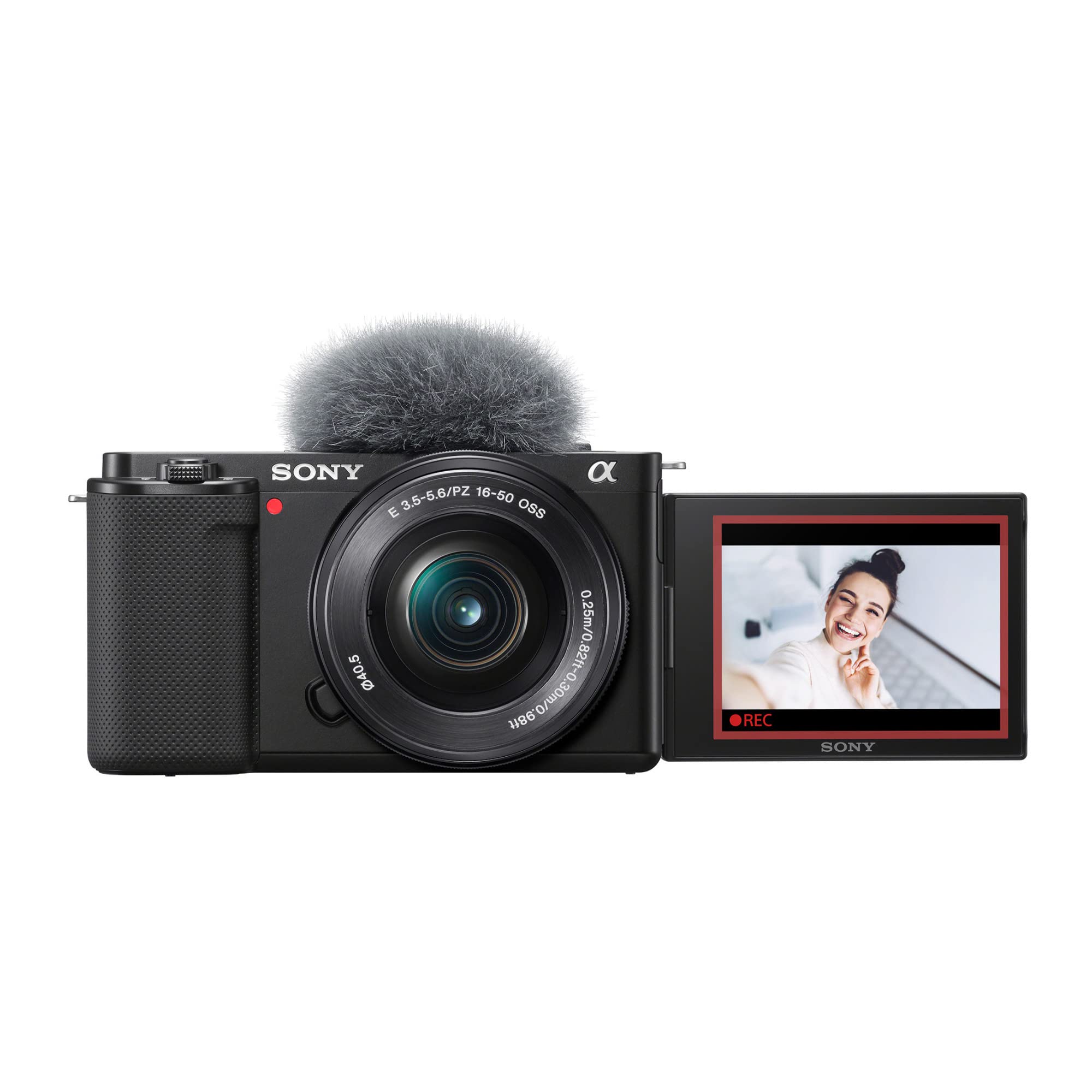
The Sony ZV-E10 II and Sony ZV-E10 are both popular choices in the compact mirrorless camera category, primarily targeting content creators, vloggers, and general photography enthusiasts. Users looking to buy a new camera might find themselves comparing these two models, as they share a similar target market but vary significantly in specifications and features. The key differentiators between them include image resolution, video capabilities, and autofocus systems, which can greatly influence the user's experience and output quality.
Specifications Comparison
Detailed Comparison
Image Quality
Both the Sony ZV-E10 II and the ZV-E10 feature an APS-C sensor format, which contributes to superior image quality in comparison to smaller sensors. The ZV-E10 II offers slightly higher resolution at 26 megapixels, compared to the 24 megapixels of the ZV-E10, resulting in more detailed images especially when cropping or printing. Additionally, the ZV-E10 II has an ISO range that expands to 102400, providing remarkable low-light performance compared to the ZV-E10's maximum of 51200, making it better for shooting in challenging lighting conditions. However, considering practical use, both models produce excellent images with good dynamic range and color accuracy, thanks to their Sonys' renowned sensor technology.
While both cameras perform well, the upgraded resolution and ISO flexibility of the ZV-E10 II suggest an advantage for those prioritizing higher image quality and detail, particularly in variable lighting scenarios. However, the differences are subtle enough that the average user may not notice a significant disparity in most shooting conditions. Ultimately, both cameras will satisfy various imaging needs effectively, but the ZV-E10 II has the edge.
Autofocus System
In terms of autofocus performance, the Sony ZV-E10 II comes equipped with an impressive 759 autofocus points, significantly ahead of the 425 autofocus points in the ZV-E10. This increased number of points allows for greater coverage across the frame and generally faster, more reliable focusing, especially in dynamic shooting environments. This improvement is particularly beneficial for video creators and vloggers who need consistent focus on their subjects, allowing for smooth tracking during movement.
The ZV-E10 features a decent autofocus system that performs admirably in many situations; however, it may struggle slightly more in fast-paced or low-light scenarios compared to its upgraded counterpart. For content creators who rely on autofocusing capabilities for quality video production, the performance and coverage enhancement of the ZV-E10 II certainly stands out, marking a notable advantage over the ZV-E10. Therefore, in this critical aspect, the ZV-E10 II takes the lead.
Video Capabilities
The ZV-E10 II significantly outshines the ZV-E10 in video capabilities, primarily offering 4K video at 60 frames per second (fps), compared to the ZV-E10's maximum of 1080p at only 24 fps. This jump to 4K video quality is a major selling point for modern content creators looking to deliver high-resolution visual material. Additionally, the frame rate increase allows for smoother motion and more professional-looking footage, making the ZV-E10 II much more suited for serious videography.
Furthermore, although both models lack in-body stabilization, users could equip external stabilizers to mitigate this shortcoming in either model. However, the advanced video features of the ZV-E10 II, including higher resolution and frame rates, make it much better suited for recording high-quality vlogs and cinematic projects. Overall, for users keen on video production and quality, the ZV-E10 II is a clear winner.
Build & Ergonomics
In terms of build quality, both cameras are compact and portable, designed specifically for vlogging and casual photography. The ZV-E10 II weighs slightly more at 377 grams, compared to the ZV-E10's weight of 343 grams. Despite this difference, both are lightweight options for handheld use. The dimensions are also quite similar, making both models easy to carry around.
One significant difference to note is that the ZV-E10 II is weather-sealed, providing a layer of durability that the ZV-E10 lacks. This can be crucial for outdoor shooting in various weather conditions. The screen in both models is the same size at 3 inches, but the ZV-E10 II features a higher resolution of 1,036,800 dots compared to 920,000 dots in the ZV-E10, which leads to a better viewing experience when composing shots or during playback. Overall, while both cameras are ergonomically designed for comfort, the build quality and usability of the ZV-E10 II gives it a distinct advantage in this area.
Battery & Storage
Battery life is a critical factor for any camera user. The ZV-E10 boasts a battery life capable of approximately 440 shots on a single charge, which can be a concern for long shooting sessions without access to charging options. Unfortunately, the ZV-E10 II's battery life has not been detailed but is generally expected to be comparable or slightly improved due to better power management. Since both models utilize the same type of battery, their overall performance in the field should be anticipated closely.
On the front of storage, both cameras use the Sony E-mount system and support dual SD cards, which provides ample space for video and photo capture. While battery performance may slightly vary, content creators should consider obtaining additional batteries for reliability, especially for extended use. Overall, while both cameras handle battery and storage needs effectively, the ZV-E10's slightly longer battery life, if confirmed, puts it in a favorable position.
Value for Money
When considering the price point, the Sony ZV-E10 comes in significantly lower at $700 compared to the ZV-E10 II, which retails for $1000. For budget-conscious buyers, the ZV-E10 offers an appealing blend of features, image quality, and usability that suits casual users and aspiring content creators. It's a compelling choice if 4K recording and advanced autofocus capabilities are not critical requirements.
The ZV-E10 II, while more expensive, justifies its higher price tag with advanced features that benefit professional creators, such as enhanced 4K video capabilities, improved autofocus, and a weather-sealed design. Buyers must consider their own needs carefully; those who prioritize flexibility in video quality, and performance will find the extra investment worthwhile. Yet, for users who want a reliable all-around camera without the additional frills, the ZV-E10 presents great value. Thus, while the ZV-E10 II has superior specs, the price difference offers notable value in favor of the ZV-E10.
Our Verdict
In conclusion, the Sony ZV-E10 II emerges as the overall winner for those seeking the best specifications and features, particularly for video production and autofocus performance. Its enhancements over the ZV-E10 make it an ideal option for dedicated content creators who require higher resolutions and advanced focusing capabilities. However, the Sony ZV-E10 remains a strong contender for users on a budget or those who do not require extensive video functionality; its lower price and commendable performance make it a solid choice for entry-level photographers and casual users.
Sony ZV-E10 II
Sony ZV-E10
Also Compare
Frequently Asked Questions
Is the Sony ZV-E10 II worth the extra money compared to the ZV-E10?
If you need advanced video capabilities and superior autofocus features, the ZV-E10 II is worth the extra cost. However, if you're a casual user, the ZV-E10 may suffice.
Are the lenses compatible on both models?
Yes, both the ZV-E10 II and ZV-E10 use the Sony E-mount system, meaning any lens compatible with one model will work on the other.
What is the maximum video quality for the ZV-E10?
The ZV-E10 supports a maximum video resolution of 1080p at 24 frames per second.
How does the autofocus performance differ between the two models?
The ZV-E10 II features 759 autofocus points for greater accuracy and speed, while the ZV-E10 has 425 points.
How important is weather sealing for vloggers?
Weather sealing is quite important for vloggers who shoot outdoors. It provides added durability against elements like rain or dust.