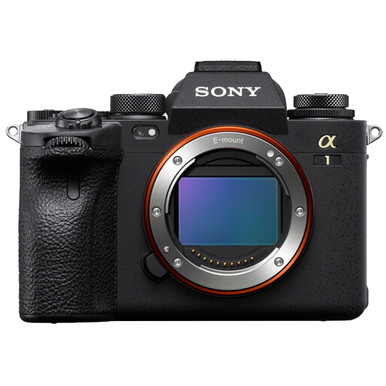

The Sony A1 and the Sony ZV-E1 are two remarkable cameras from Sony, each tailored for distinct segments of the photographic world. The A1 is aimed at professionals and enthusiasts seeking unparalleled image quality and extensive features, whereas the ZV-E1 is designed primarily for creators and vloggers who value portability and simplicity. This comparison helps prospective buyers understand their options, particularly when evaluating their unique requirements, whether for high-resolution stills or efficient video shooting.
Specifications Comparison
Detailed Comparison
Image Quality
The image quality obtained from a camera is often one of the most crucial aspects for photographers. The Sony A1 boasts a 50-megapixel full frame sensor, delivering stunning detail and clarity, making it ideal for large prints and professional work. Its ISO range extends from 100 to 32000, expandable to 50-102400, allowing for excellent performance in low-light conditions. In contrast, the Sony ZV-E1 features a 12-megapixel sensor, which, while adequate for social media and online content, might fall short for high-resolution needs. The ISO range of the ZV-E1 starts lower at 80 and goes up to 102400, extending to an impressive 40-409600. Nonetheless, the A1's greater megapixel count and performance at various ISO levels clearly result in superior image quality overall.
Autofocus System
Both cameras are equipped with Sony's highly praised autofocus technology, featuring 759 autofocus points that ensure excellent tracking capabilities. The A1 offers superior performance with its fast and accurate auto-focus system, making it suitable for fast-paced shooting scenarios such as sports photography. The ZV-E1's autofocus is also impressive and particularly optimized for video, featuring Real-Time Eye autofocus for humans and animals, which is a significant advantage for content creators. While both systems are top-notch, the A1's more robust, versatile autofocus functionality gives it the edge in diverse shooting conditions.
Video Capabilities
When it comes to video specifications, both the A1 and ZV-E1 have unique strengths. The A1 supports 4K video recording at up to 120p, making it a fantastic choice for high-frame-rate footage and professional-grade productions. Additionally, its impressive video recording capabilities include 10-bit 4:2:2 internally, enhancing color grading flexibility. On the other hand, the ZV-E1 is designed specifically as a vlogging camera, offering 4K at 60p, which is sufficient for most casual content creation and live streaming. While the ZV-E1's functionality and ease of use make it appealing for vloggers, the A1's video capabilities are superior for professionals looking for extensive options.
Build & Ergonomics
In terms of build quality, both cameras are weather-sealed, making them suitable for various shooting environments. The A1 is more substantial, weighing 737g and featuring a bulkier design that suits professional use, while the ZV-E1 is lighter at 483g, prioritizing portability for vloggers and creators on the move. The layout and features of the ZV-E1, like its flip-out screen, cater to the needs of video creators, while the A1's ergonomics provide a more extensive array of controls that professional users may prefer. Thus, while the A1 may be more robust, the ZV-E1's design is user-friendly for casual users, making this section closer in terms of suitability.
Battery & Storage
When considering battery performance, the ZV-E1 offers slightly better battery life, rated for about 570 shots compared to the A1's 530 shots, which might appeal to those who shoot for extended periods without a recharge. However, the A1 utilizes dual memory card slots (CFexpress Type A and SD), which provide higher flexibility and speed, essential for high-resolution formats and quick burst shooting. The ZV-E1 has a single card slot, lessening options for serious photographers capturing multiple images. While the ZV-E1 does a great job focusing on vloggers' needs, the A1's capability for professional users prevails in this category.
Value for Money
Price is a significant differentiator between these two models. The Sony A1 comes with a high price tag of $6500, reflecting its advanced features, superior image quality, and ability to compete in the high-end market. In contrast, the Sony ZV-E1 at $2200 is a more budget-friendly option, particularly for those prioritizing video content creation without needing the extensive capabilities of the A1. While the A1 offers greater overall value due to its professional-grade capabilities, the ZV-E1's lower cost makes it an attractive option for casual users and videographers focused on vlogging.
Lens Ecosystem
Both the Sony A1 and ZV-E1 utilize the Sony E-mount system, allowing for a vast array of lenses compatible with both cameras. Professional photographers may gravitate toward the A1, which can fully leverage high-end lenses within the Alpha lineup for specialized purposes such as portraits, architecture, or sports. Conversely, the ZV-E1 benefits from a selection of compact and versatile lenses ideal for traveling creators and vloggers. Although both cameras share the same lens system, the actual utilization of that system can vary greatly based on the user's specific needs, with the A1 providing a more extensive high-quality lens choice for serious work.
Our Verdict
Ultimately, the Sony A1 emerges as the overall winner due to its superior image quality, advanced autofocus system, extensive video capabilities, and robust build quality, making it an excellent choice for professional photographers and dedicated videographers. The ZV-E1, while a strong contender for vloggers and casual creators seeking a lightweight, user-friendly camera, cannot match the A1's performance in professional contexts. Therefore, buyers should consider their specific needs; those focused on high-resolution imagery and advanced features will be better served by the Sony A1, while the ZV-E1 remains a compelling choice for social media content creators.
Sony A1
Sony ZV-E1
Also Compare
Frequently Asked Questions
Which camera is better for professional photography?
The Sony A1 is better for professional photography due to its 50-megapixel resolution, advanced autofocus, and superior video capabilities, making it an ideal choice for serious photographers.
Is the ZV-E1 suitable for vlogging?
Yes, the Sony ZV-E1 is specifically designed for vlogging, featuring a lighter body, great autofocus for video, and a flip-out screen that enhances usability.
Can the A1 also be used for video production?
Absolutely, the Sony A1 supports high-resolution video recording up to 4K 120p and offers advanced features that make it suitable for professional video production.
What are the main differences in ISO performance?
The Sony A1 has a wider range for ISO adjustment and generally exhibits better low-light performance compared to the ZV-E1, especially at lower megapixels.
Which camera offers better battery life?
The Sony ZV-E1 offers slightly better battery life, rated for around 570 shots, compared to the A1's 530 shots, making it a bit more suitable for long shoots.