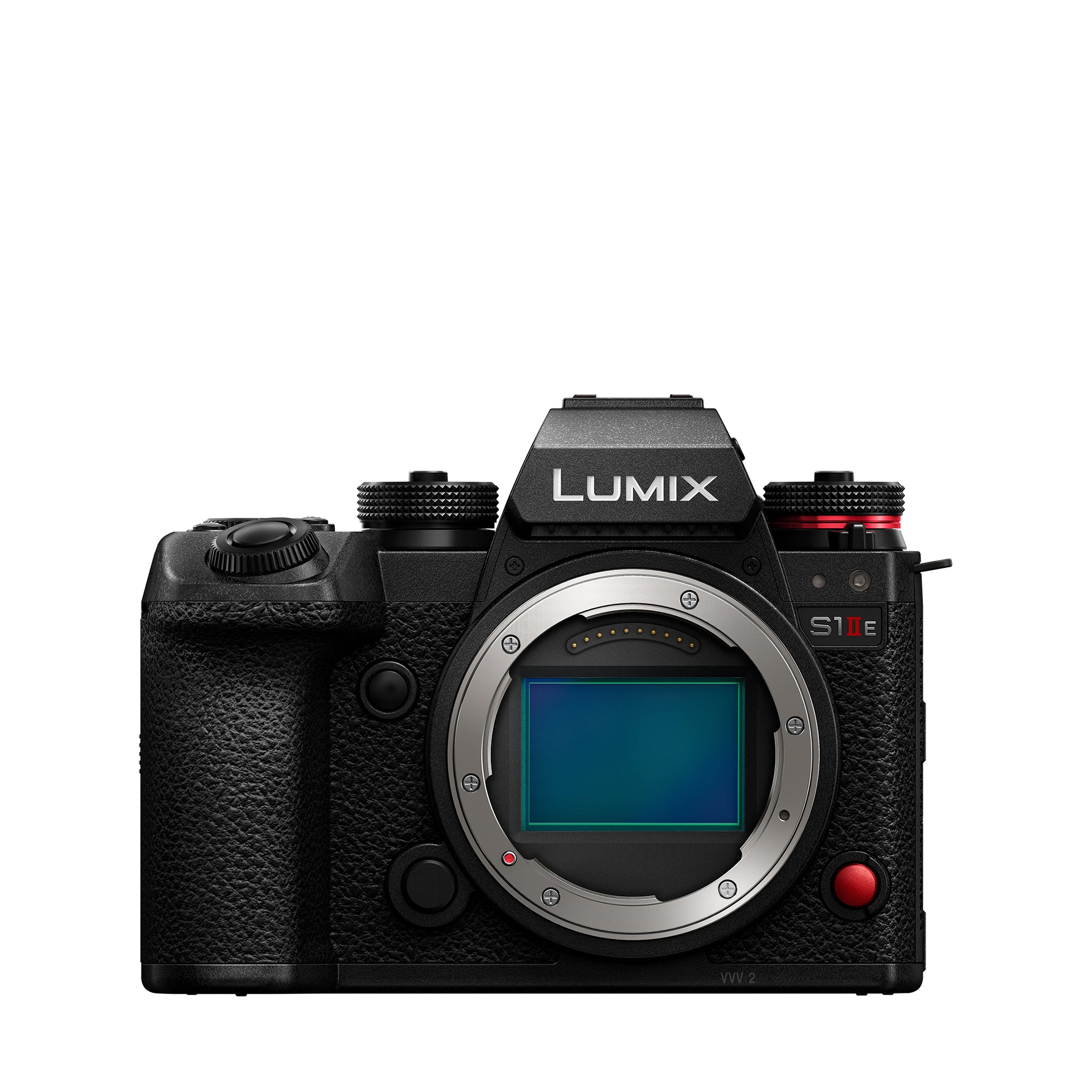
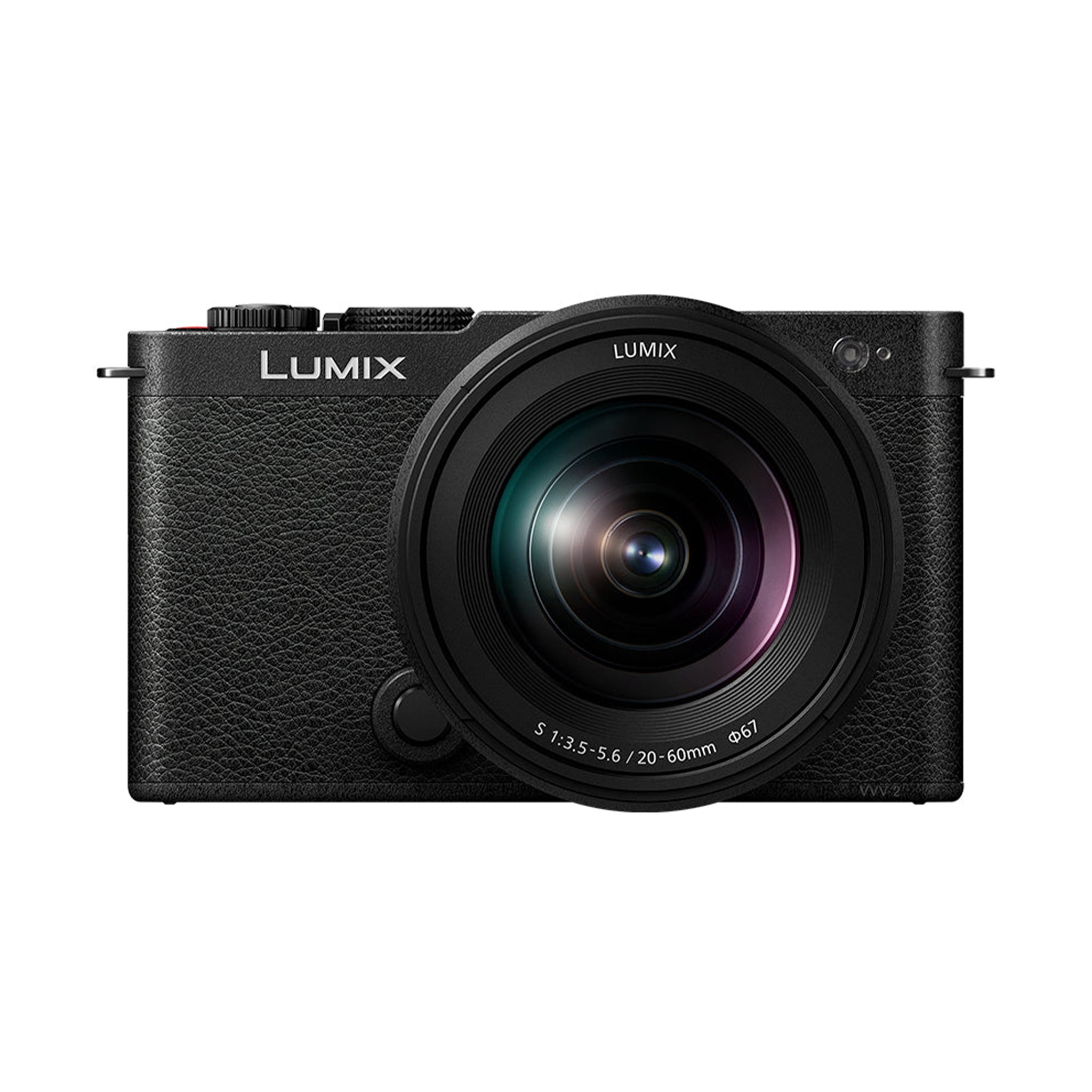
The Panasonic S1 II E and Panasonic S9 are two powerful full-frame mirrorless cameras that often draw comparisons among photographers and videographers alike. Both models showcase advanced technology and impressive specifications, making them suitable for professional and enthusiast users. Choosing between these two can be challenging, as they each offer unique strengths in various aspects such as imaging capability, video features, and ergonomics. Understanding the key differentiators will help potential buyers decide which camera aligns best with their needs and preferences.
Specifications Comparison
Detailed Comparison
Image Quality
Both the Panasonic S1 II E and the S9 are equipped with full-frame sensors, with the S1 II E featuring a 24.1 megapixel sensor and the S9 boasting 24 megapixels. In terms of pixel count, the difference is negligible, and both cameras deliver stunning image quality with excellent detail and dynamic range. However, the S1 II E is optimized for slightly higher performance in low-light conditions due to its advanced sensor processing capabilities, yielding better noise management at higher ISO settings. Additionally, the S1 II E's superior color science provides a bit more versatility in post-processing, which could be a deciding factor for photographers focused on professional editing workflows.
Autofocus System
Autofocus performance is crucial for dynamic shooting situations, and both cameras feature fast and reliable AF systems. The Panasonic S1 II E supports typically faster AF acquisition speeds, aided by intelligent subject tracking capabilities, which makes it particularly well-suited for capturing moving subjects. Conversely, while the S9 also offers a robust autofocus system, it is regarded as slightly less advanced due to a lack of the AI-assisted tracking capabilities found in the S1 II E. Photographers who often shoot action or wildlife may find the S1 II E's autofocus system to be a significant advantage in real-world usage.
Video Capabilities
Moving to video recording, both cameras take impressive strides in this field. The S1 II E offers a higher video resolution of up to 5.9K at 60p and various options for 4K recording, including 4K120fps and 1080p at 240fps, giving videographers immense flexibility for high-frame-rate shooting. In contrast, the S9 provides strong video capabilities as well, supporting 5.9K video alongside UHD and DCI 4K options, but it lacks the frame rate versatility that the S1 II E has. Given the extensive video features of the S1 II E, particularly for high-speed applications, it stands out as the better choice for video-focused users.
Build & Ergonomics
In terms of build and ergonomic design, both cameras are well-constructed and versatile for various shooting environments. The S9 is slightly lighter at 486 grams, compared to the S1 II E, which may benefit those looking for a more portable camera. The S9 measures 126x73.9x46.7mm, which allows for comfortable handling, while the S1 II E provides a more robust and weather-sealed body, ensuring durability in challenging conditions. While the S9 presents a more compact option, the S1 II E's build quality and enhanced ergonomics may cater better to professionals using the camera in demanding scenarios.
Battery & Storage
Battery life is vital for extended shooting sessions, and the S1 II E boasts impressive performance, typically allowing for a greater number of shots on a single charge compared to the S9. Both models utilize L-Mount batteries and support UHS-II SD cards, allowing for fast read/write speeds essential for high-speed video and burst modes. The larger battery capacity of the S1 II E makes it advantageous for shoots that might extend over long periods, making it arguably more appealing for professional users who require reliability in their equipment.
Value for Money
When considering value, the S9 is released at a more competitive price with a few compromises on features, placing it as an excellent entry point into the full-frame realm. However, given the S1 II E's enhanced specifications-better autofocus, advanced video capabilities, and superior image quality-it stands as a more premium offering. For serious photographers and filmmakers who prioritize performance, investing in the S1 II E can be worthwhile despite the higher upfront cost. Prospective buyers must weigh their specific needs against both the S9's affordability and the S1 II E's performance.
Our Verdict
Overall, the Panasonic S1 II E emerges as the winner in this comparison due to its superior image quality, advanced autofocus capabilities, and extensive video functionality, making it an exceptional choice for professionals seeking high-performance gear. On the other hand, the Panasonic S9 offers a lighter and more budget-friendly alternative that might appeal to casual photographers or enthusiasts looking for solid performance without the higher price tag. The decision ultimately hinges on the user's specific requirements-those focusing on professional applications will likely benefit from the S1 II E, while hobbyists might find the S9 to serve their needs sufficiently.