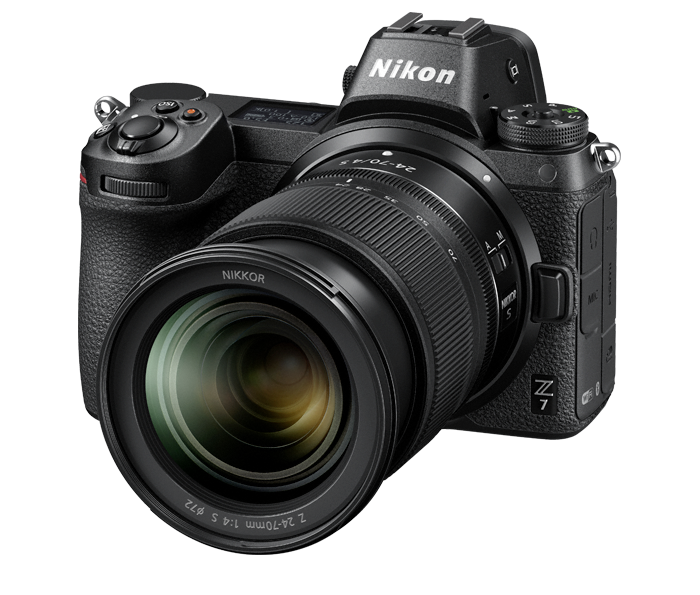
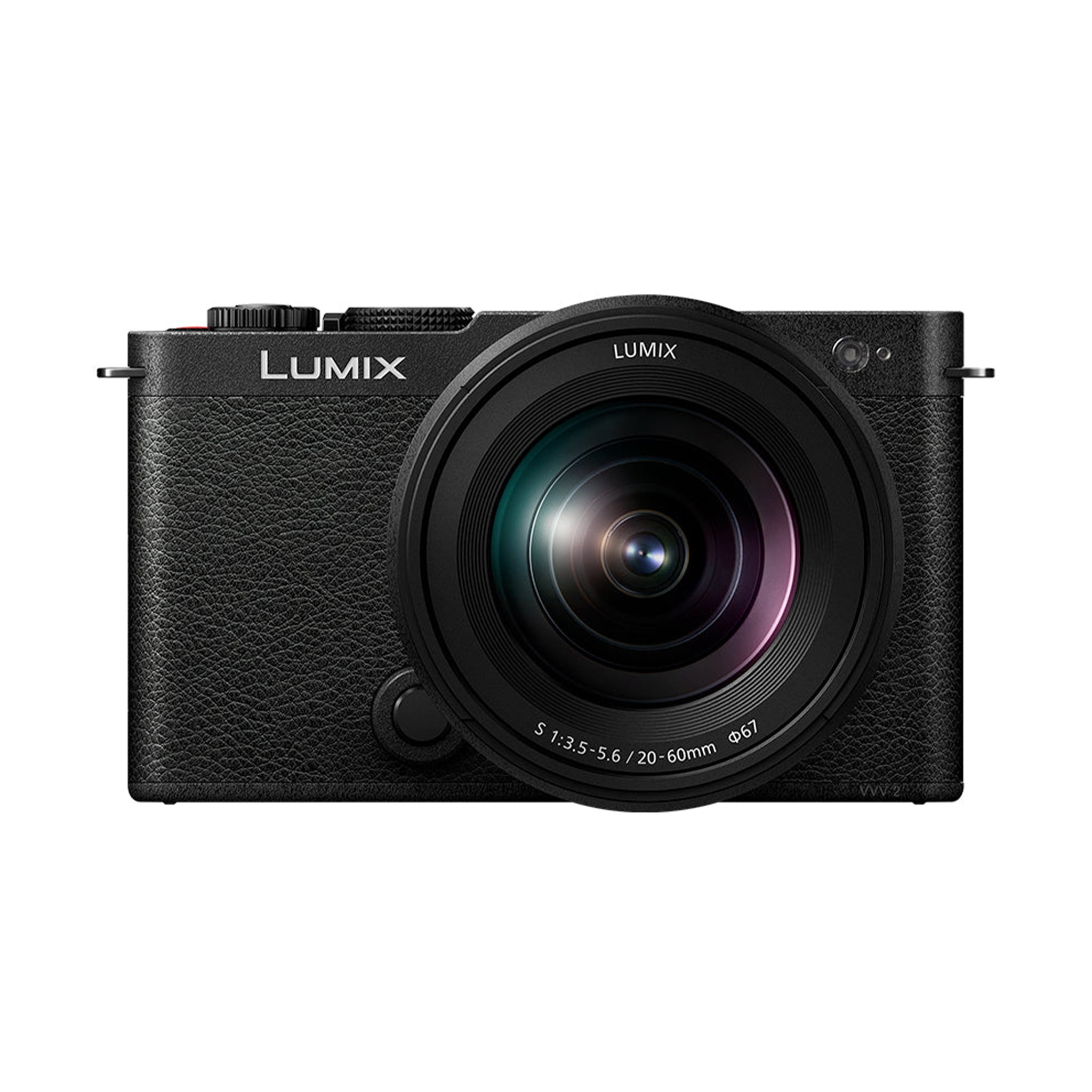
The Nikon Z7 and Panasonic S9 are often compared due to their status as premium mirrorless full-frame cameras, aimed at professional and serious amateur photographers. Both models offer advanced features and high-quality image capture, making them attractive options for those looking to elevate their photography or videography. However, the key differentiators between these two models lie in their sensor resolutions, video capabilities, and user experience, leading to different strengths that may appeal to various types of users.
Specifications Comparison
Detailed Comparison
Image Quality
The Nikon Z7 features a high-resolution 46 megapixel sensor, allowing for exceptional detail and dynamic range in photographs. This sensor excels in capturing fine textures and is ideal for large prints or significant cropping without sacrificing quality. The ISO range of 64-25600 (expandable to 32-102400) also provides versatility in low-light settings, maintaining clarity while minimizing noise.
In contrast, the Panasonic S9 has a lower 24 megapixel count. While it may not reach the resolution of the Z7, it still produces excellent image quality, particularly in well-lit scenarios. Its sensor, designed for superior color reproduction, delivers vibrant color and good low-light performance, though its maximum ISO is lower than the Z7.
Ultimately, while both cameras produce outstanding images, the Z7 takes the edge with its higher resolution and broader usable ISO range, making it the ideal choice for those prioritizing image detail.
Autofocus System
The Nikon Z7 utilizes a sophisticated 493-point autofocus system, which is responsive and covers a significant area of the frame. This makes it capable of tracking moving subjects effectively, an essential feature for wildlife and sports photography. The focus performance is complemented by eye-detection autofocus, which enhances portrait work.
On the other hand, while the Panasonic S9's autofocus specifics are not detailed in the specs provided, it typically features a reliable system leveraging contrast-detection hybrid technology often found in Panasonic models. Although historically solid, it may not be as expansive or fast as the Z7's system, particularly in challenging light.
In conclusion, the Nikon Z7's advanced autofocus capability and system versatility provide it with a distinct advantage in autofocus performance, making it the better choice for action-oriented photography.
Video Capabilities
When it comes to video, the Panasonic S9 takes the lead with impressive resolutions including 5.9K, UHD 4K, DCI 4K, and 1080p, which cater to serious videographers looking for high-quality footage. The wider range of options enables filmmakers to achieve cinematic effects and capture high-definition sequences that can be crucial for professional projects.
The Nikon Z7, on the other hand, supports 4K video at 30p which is great for most users but lacks the higher resolution video capabilities that the S9 offers. While it delivers quality 4K results with decent codec options, it may not fulfill the needs of those requiring higher video resolutions.
In this aspect, the Panasonic S9's versatile and high-resolution recording capabilities clearly position it as the winner, appealing particularly to video creators and content producers looking for cutting-edge specifications.
Build & Ergonomics
The Nikon Z7 features a robust build with weather sealing, making it suitable for outdoor photography even under harsh conditions. Weighing 675 grams, it is slightly on the heavier side, but the design promotes handling and accessibility to critical controls, enhancing the user experience.
By contrast, the Panasonic S9 is lighter at 486 grams and has a more compact design. Its dimensions make it easier for travel photography, ensuring that users carry less weight without sacrificing features. While both cameras are praised for their build quality, the S9 may come out preferable for those who prioritize portability.
Ultimately, the Nikon Z7 is the winner for photographers needing durability and weather resistance, while the Panasonic S9 is likely more appealing for those who prioritize lighter setups and ease of transport.
Battery & Storage
In terms of battery life, the Nikon Z7 boasts a rating of around 330 shots per charge, which is decent for a mirrorless camera but may require additional batteries for extended shooting sessions. It utilizes dual SD card slots for expanded storage, allowing flexibility for photographers who need backup or larger storage capabilities.
Meanwhile, the Panasonic S9, being a recent model, typically features improvements in power efficiency, leading to longer shooting times per charge. However, the specifics on its battery capacity are not available, leaving some ambiguity. The camera may support similar dual-card slots, catering to professional users with extensive storage needs.
Comparing battery life directly favors the S9; however, the stronger point is still the dual card slot functionality in the Z7 that adds significant value for photographers who need redundancy in their workflow.
Value for Money
The Nikon Z7 is priced at approximately $3399, reflecting its high-resolution sensor and professional-level features. For users who are keen on image quality and need advanced autofocus performance, the investment can be justified. The camera's build quality and weather-sealed body also add to its long-term value for serious photographers.
On the other hand, with the Panasonic S9 releasing in 2024, detailed pricing may not be fully disclosed but it's expected to fall in line with competitive offerings for full-frame mirrorless cameras. Given its advanced video capabilities and lighter design, it may attract those who are more video-centric or value portability with high features.
While the Z7 offers formidable capabilities for image-focused users, the cost may be a barrier for those who prioritize video content. The S9 may provide better value depending on the intended use, especially for those seeking higher video resolutions and improved portability.
Lens Ecosystem
The Nikon Z7 leverages the Nikon Z mount, which has been expanding steadily with high-quality glass options that cater to a range of photographic styles. Users familiar with Nikon's F-mount will find adapters available, allowing access to an even broader selection of lenses and continuity in their toolkit.
The Panasonic S9, utilizing the L-Mount, benefits from a tri-party alliance between Panasonic, Sigma, and Leica, providing a growing array of lenses known for their quality and variety. This ecosystem allows photographers the flexibility to choose from premium ultra-wide to telephoto options.
Both ecosystems are solid and expanding, but the choice will depend largely on existing investments and specific photographic needs. The Nikon Z7 has an edge for those who may have legacy lenses, while the S9 offers broader collaboration with high-end lens manufacturers.
Our Verdict
Ultimately, the Nikon Z7 emerges as the overall winner, especially suited for photographers focused on high-resolution images and superior autofocus performance. It offers a robust build quality and a solid lens ecosystem for users familiar with Nikon's systems. However, the Panasonic S9 holds its ground with impressive video capabilities and a lighter, more portable form factor, making it a compelling choice for videographers or travel photographers who prioritize weight and versatility. Depending on the primary use case, either camera can serve specific needs effectively.
Nikon Z7
Panasonic S9
Also Compare
Frequently Asked Questions
Which camera is better for photography?
The Nikon Z7 is better for photography, particularly if high resolution and advanced autofocus are your priorities.
What about video capabilities?
The Panasonic S9 is superior for video due to its higher resolutions, making it ideal for videographers.
How do the weight and ergonomics compare?
The Panasonic S9 is lighter and more compact, while the Nikon Z7 is heavier but offers more robust weather sealing.
Which camera offers better battery performance?
The Panasonic S9 is likely to offer better efficiency, but the exact details depend on its pricing and specifications in practice.
Can I use my old lenses with these cameras?
Yes, both systems have options to adapt old lenses; Nikon offers adapters for F-mount lenses, while the S9 provides access through the L-Mount alliance.