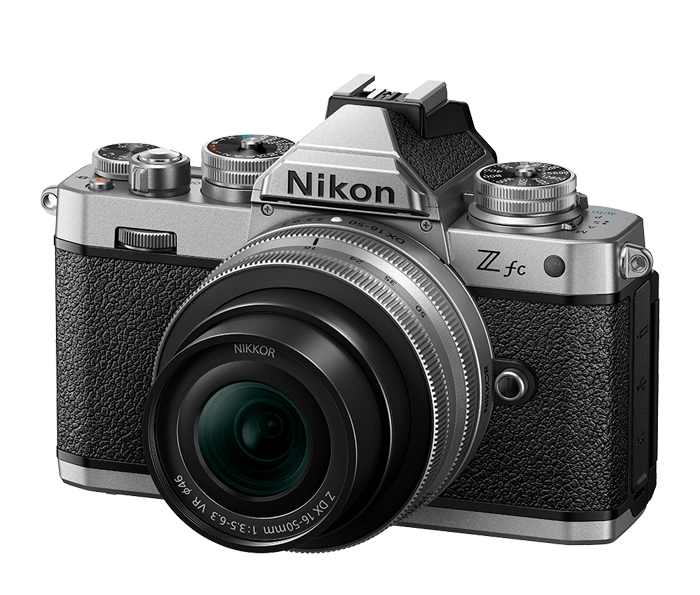
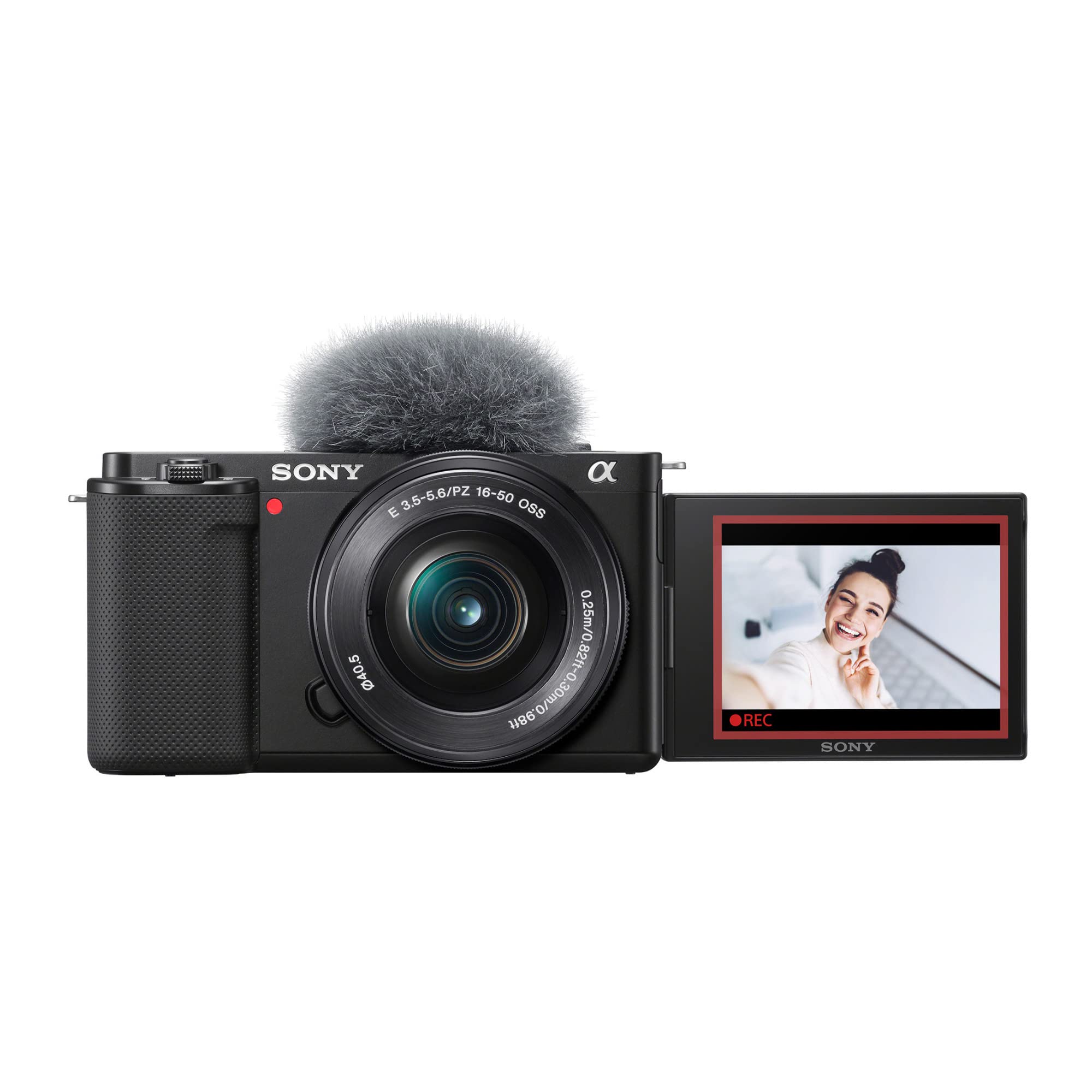
The Nikon Z fc and the Sony ZV-E10 are two popular mirrorless cameras that appeal to a range of photographers and videographers, particularly those interested in entry-level content creation. Both models were released in 2021, leveraging advanced technology in a compact format. The choice between these cameras often comes down to their specific features and how they align with the user's artistic vision and practical needs. Key differentiators include image quality, autofocus capabilities, video specifications, and overall design aspects, which can heavily influence a buyer's decision.
Specifications Comparison
Detailed Comparison
Image Quality
The Nikon Z fc features a 21-megapixel APS-C sensor, which offers a robust image quality suitable for both photography and videography. It has a wider ISO range (100-51200, expandable to 204800), allowing for better performance in low-light conditions compared to its competitor. However, the Sony ZV-E10 has a slight advantage with a higher resolution of 24 megapixels, providing finer detail and greater cropping flexibility. Despite this, both cameras produce high-quality images, and while the ZV-E10 might be slightly better in detail retention, the Z fc offers superior dynamic range thanks to its broader ISO capabilities. Both cameras deliver pleasing colors and good performance under varied lighting conditions, making image quality a strong point for both.
Autofocus System
Autofocus is a critical aspect of modern cameras, especially for content creators. The Sony ZV-E10 boasts 425 autofocus points, surpassing the Nikon Z fc's 209 points. This allows for faster and more accurate focusing, particularly beneficial for fast-moving subjects and video work, where smooth focus transitions are crucial. The ZV-E10 also includes features like Real-time Eye AF and Object Tracking, which enhance its capabilities in portrait and product shooting scenarios. Conversely, the Nikon Z fc, while still competent in its autofocus performance, cannot match the precision and coverage offered by the ZV-E10. Thus, for users whose primary focus is on fast-paced shooting and video, the ZV-E10 emerges as the superior option.
Video Capabilities
On the video front, the Nikon Z fc can capture 4K video at 30 frames per second, providing high-resolution footage suitable for a wide range of video projects. In contrast, the Sony ZV-E10 offers 1080p video recording at 24fps, which may limit its utility for creators looking to produce content in higher resolutions. It's important to note that the lack of stabilization in both cameras means that additional stabilization techniques or devices may be required during filming. While the Z fc clearly outperforms the ZV-E10 in resolution, the ZV-E10 is designed specifically for vloggers and video creators, providing features like a fully articulating screen and an enhanced user interface for video recording. Ultimately, hobbyists seeking high-quality video content would lean towards the Z fc for its 4K capability.
Build & Ergonomics
The Nikon Z fc is slightly larger and heavier, weighing in at 445 grams and measuring 135 x 94 x 44 mm, making it a bit bulkier than the Sony ZV-E10, which weighs 343 grams and is smaller at 115 x 64 x 45 mm. However, the Z fc offers a more retro design that some photographers find appealing, along with a robust build quality that feels solid in hand. It features an electronic viewfinder, advantageous for composing shots in bright environments. The ZV-E10, though more compact and lightweight, lacks a viewfinder, which may deter some traditional photographers. The usability of both cameras is tailored toward easy operation, but the choice ultimately depends on personal preferences for form factor and handling.
Battery & Storage
When it comes to battery life, the Sony ZV-E10 has a notable edge, providing approximately 440 shots per charge versus the Nikon Z fc's 300 shots. This extended battery life can significantly benefit vloggers and content creators who are often on the go and do not want interruptions during shoots. In terms of storage, both cameras utilize SD cards, but the video formats they support can impact storage needs. The Z fc's ability to shoot in 4K requires more storage space, whereas the ZV-E10's Full HD offers a longer recording time at lower file sizes. Consequently, for users focused on long shooting sessions, the ZV-E10 stands out as a more convenient choice.
Value for Money
Priced at $959, the Nikon Z fc offers a higher video resolution and a unique combination of features geared towards both photography and video needs. However, the Sony ZV-E10 retails at $700, making it a more budget-friendly option while still delivering impressive autofocus and decent image quality. For those who prioritize vlogging and everyday content creation, the extra savings without sacrificing too much performance make the ZV-E10 a compelling choice. Ultimately, the value judgment hinges on what aspects are more crucial to the buyer; if resolution and quality are prioritized, the Z fc might be deemed worth the extra cost. However, for budget-conscious users seeking good performance for vlogging, the ZV-E10 provides exceptional value.
Our Verdict
Overall, the Sony ZV-E10 wins this comparison primarily due to its superior autofocus capabilities, longer battery life, and lower price point. While the Nikon Z fc edges ahead in image quality and video resolution, the emphasis placed on ease of use for video creators in the ZV-E10 cannot be overlooked. For casual content creators looking for a capable, affordable solution, the ZV-E10 represents an ideal balance of performance and value. However, enthusiasts who prioritize higher image quality and 4K video might find the Nikon Z fc aligns more with their needs, despite the additional investment.
Nikon Z fc
Sony ZV-E10
Also Compare
Frequently Asked Questions
Which camera is better for vlogging?
The Sony ZV-E10 is designed specifically for vlogging, featuring a fully articulating screen, excellent autofocus, and a lightweight design, making it ideal for content creators. However, the Nikon Z fc can also serve well for video but lacks some user-friendly features for vloggers.
Is the Nikon Z fc better for still photography?
The Nikon Z fc offers a slightly better dynamic range and image quality due to its unique sensor characteristics, making it suitable for those focused more on photography than on videography.
How do the lenses differ for each system?
The Nikon Z fc uses the Nikon Z mount which has a growing lens ecosystem, whereas the Sony ZV-E10 employs the Sony E mount, also providing a diverse range of compatible lenses for various shooting scenarios.
What is the low-light performance like for each camera?
The Nikon Z fc's wider ISO range (up to 204800) indicates better low-light performance compared to the Sony ZV-E10, making it more suitable for dim scenarios.
Which camera has a better user interface?
The Sony ZV-E10 has a simplified interface optimized for video shooting, allowing for quick access to essential settings, while the Nikon Z fc provides a more traditional photographic interface.