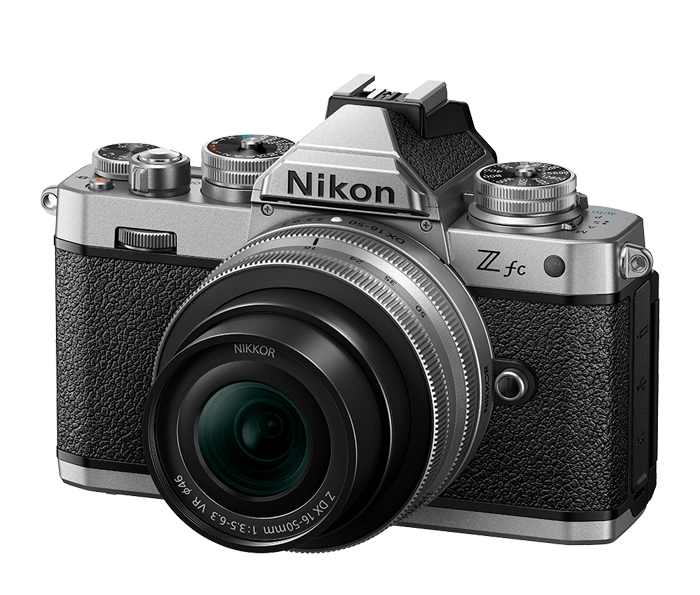

The Nikon Z fc and the Sony A6700 are two highly regarded mirrorless cameras in the APS-C format, appealing to enthusiasts and semi-professional photographers. Both cameras are designed to deliver exceptional performance for a variety of photographic styles, making them common choices for those looking to upgrade from entry-level models or those seeking compact yet powerful systems. Buyers often weigh the aesthetic and ergonomic design of the Nikon Z fc against the advanced technology and features of the Sony A6700, creating a competitive landscape that is driven by diverse user preferences.
Specifications Comparison
Detailed Comparison
Image Quality
The Nikon Z fc features a 21-megapixel APS-C sensor while the Sony A6700 boosts this to 26 megapixels. In practical terms, this difference means the A6700 can deliver slightly more detailed images, particularly in larger prints or cropping scenarios. Both cameras offer a respectable ISO range, with the Z fc supporting up to 51200 natively (and even 204800 when expanded), while the A6700 has a lower standard range of 32000, expandable to 102400. However, the latter's newer sensor design generally results in superior low-light performance, showcasing less noise at higher ISO settings.
When it comes to color reproduction and dynamic range, both cameras perform admirably but have distinctive color science. The Z fc tends to lean toward warmer tones, which may appeal to certain photographers looking for specific aesthetics in their images. The A6700, on the other hand, offers more natural and neutral color output which some may prefer for post-processing flexibility. Overall, while both produce high-quality images, the slight edge in resolution and low-light performance gives the A6700 a notable advantage in this category.
Autofocus System
The autofocus capabilities of the Sony A6700 are significantly more advanced than those of the Nikon Z fc. With 759 autofocus points compared to the Z fc's 209, the A6700 provides superior subject tracking and locking capabilities, making it more suitable for fast-moving subjects or dynamic scenes. Additionally, the A6700 utilizes Sony's Real-Time Eye AF technology for both humans and animals, which enhances its appeal to wildlife and portrait photographers who require consistent focus precision.
Conversely, the Z fc's autofocus system, while competent, features fewer points and lacks some of the advanced tracking options present in the A6700. For still photography and less demanding moving subjects, the Z fc can perform adequately, but users needing robust action or wildlife capabilities would find the A6700's autofocus preferable. Therefore, in terms of autofocus performance and versatility, the A6700 is a clear winner.
Video Capabilities
Videographers will find significant differences between the two cameras in this category. The Nikon Z fc can capture 4K video at 30 frames per second, which is suitable for casual video recording. In contrast, the Sony A6700 unleashes the potential for more professional video work by supporting 4K video recording at up to 120 frames per second. This higher frame rate opens up possibilities for slow-motion footage, which the Z fc cannot achieve.
Furthermore, the A6700 provides better codec options and enhanced video features such as S-Cinetone color profiles for a cinematic look directly from the camera. Although the Z fc offers solid video performance, it lacks advanced video features like those found in the A6700. Therefore, in the exploration of video capabilities, the A6700 stands out as the preferable choice for serious videographers.
Build & Ergonomics
In terms of design and ergonomics, both the Nikon Z fc and the Sony A6700 showcase appealing traits, but they cater to slightly different user preferences. The Z fc embraces a retro-inspired aesthetic with physical dials for shutter speed and ISO, giving it a classic feel that some photographers may find charming. Its relatively compact size makes it portable, yet it can feel slightly heavier in hand due to its build quality.
The A6700, though slightly heavier at 493 grams, features a more modern design with a robust build quality, including weather-sealing for enhanced durability, making it better suited for outdoor photography. Furthermore, the A6700 comes with modern touches like customizable buttons and an adjustable touchscreen, enhancing its usability. Although the Z fc's design is attractive, the additional functionality and sturdiness of the A6700 makes it a stronger contender here.
Battery & Storage
When analyzing battery performance, the Sony A6700 again excels with a much longer battery life, rated at approximately 570 shots per charge compared to the 300 shots of the Nikon Z fc. This extended battery life is particularly valuable for intensive shooting sessions or when traveling. Both cameras use similar SD card formats for storage; however, the A6700 supports UHS-II cards, allowing faster read/write speeds, which is particularly beneficial for high-resolution video and burst shooting applications.
In everyday use, the A6700 offers more reliability and flexibility during longer shoots without needing to swap out batteries frequently. Consequently, for those who prioritize longer operational times and efficient handling of high-performance tasks, the A6700 is the superior choice.
Value for Money
The Nikon Z fc is priced at $959, which represents a more accessible entry point for those new to the mirrorless camera system or photography in general. Its vintage design and capability make it an attractive option for enthusiasts who value aesthetics and casual shooting. However, some may argue that at this price point, it falls short in terms of advanced features which newer models like the A6700 boast.
The Sony A6700, priced at $1400, is positioned as a more professional tool, and while it commands a higher price, it compiles a feature set that justifies the cost for dedicated users. The investment in the A6700 is meant for those who prioritize performance, advanced video capabilities, and robust build quality. Ultimately, while the Z fc offers incredible style and functionality for the price, the A6700 presents a better long-term investment for serious photographers who need more advanced features.
Our Verdict
While the Nikon Z fc is an excellent option for casual photographers and enthusiasts who appreciate its classic design and simplicity, the Sony A6700 outperforms in several crucial areas. With superior image quality due to higher resolution, advanced autofocus capabilities, enhanced video features, and significantly better battery life, the A6700 proves to be a more robust choice for serious photographers and videographers. Ultimately, the choice hinges on user preferences - if style and ease of use are predominant, the Z fc is attractive; however, for those seeking comprehensive functionality, the A6700 undoubtedly comes out on top.
Nikon Z fc
Sony A6700
Also Compare
Frequently Asked Questions
Which camera is better for low-light photography?
The Sony A6700 is better suited for low-light photography due to its newer sensor design, which enables higher ISO settings with less noise, compared to the Nikon Z fc.
Can the Z fc shoot 4K video?
Yes, the Nikon Z fc can record 4K video at 30 frames per second; however, it lacks higher frame rates compared to the A6700, which can shoot 4K at 120 fps.
Is one camera better for action photography?
The Sony A6700 is more capable for action photography thanks to its 759 autofocus points and advanced subject tracking capabilities, making it a better choice for fast-moving subjects.
How do the battery lives compare?
The Sony A6700 has a longer battery life, rated for approximately 570 shots per charge, compared to the Nikon Z fc's 300 shots, making it more reliable for extended shooting sessions.
Does either camera offer weather sealing?
The Sony A6700 is weather-sealed, enhancing its durability for outdoor use, whereas the Nikon Z fc does not include this feature.