
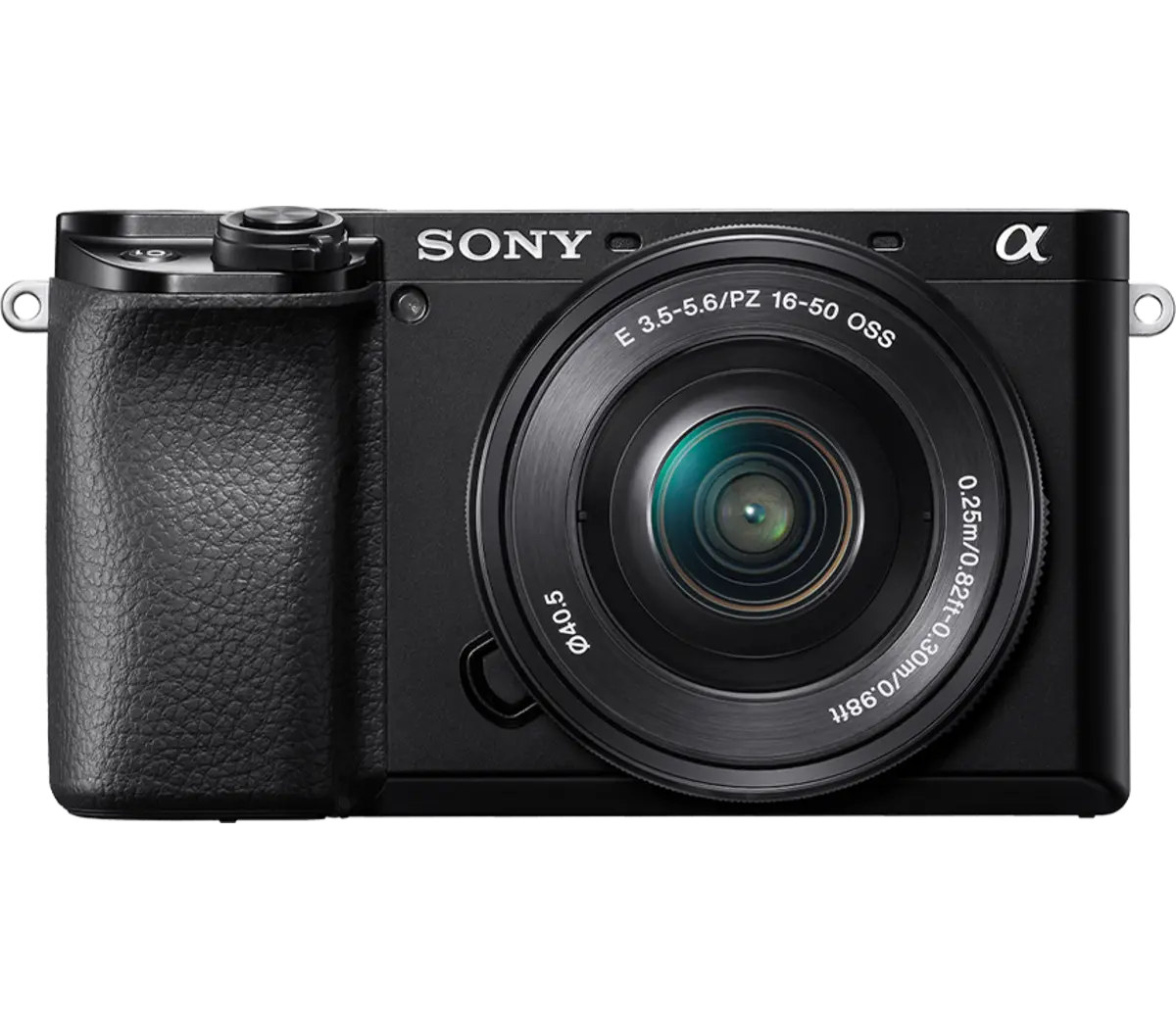
The Fujifilm X-T5 and Sony A6100 are two popular mirrorless cameras in the APS-C category, frequently compared due to their overlapping features and target demographics. Both models appeal to amateur photographers, enthusiasts, and even professionals seeking a lightweight and versatile camera. The key differentiators between them include sensor resolution, build quality, video functionalities, and overall value, which makes it essential for potential buyers to closely consider their specific needs and shooting styles before making a decision.
Specifications Comparison
Detailed Comparison
Image Quality
The Fujifilm X-T5 boasts a higher resolution sensor with 40 megapixels compared to the 24 megapixels of the Sony A6100. This leads to superior detail retention and enhanced cropping capabilities, especially important for landscape, portrait, and studio photography. The X-T5 also offers a wider ISO range, expanding from 64 to 51,200, which gives it an edge in low-light situations. In contrast, the A6100's ISO extends from 100 to 51,200 but lacks the low-end expansion, potentially limiting performance in extremely low-light environments.
Additionally, Fujifilm's proprietary color science provides unique film simulations that give photographers creative control over the final image look, something that many users appreciate. The X-T5 also performs better in five advantageous metrics: dynamic range, noise performance at high ISO settings, color accuracy, and detail rendering. Overall, image quality is a crucial determining factor for many photographers, and the X-T5 stands out significantly in this facet.
Autofocus System
Both the Fujifilm X-T5 and Sony A6100 feature advanced autofocus systems with 425 autofocus points, granting them quick and reliable focusing capabilities. However, the X-T5 leverages improvements in Fujifilm's autofocus technology, especially in continuous tracking, which can be critical for shooting fast-moving subjects such as wildlife or sports. The X-T5's maximum frame rate of 15 fps (with the electronic shutter) provides a distinct advantage over the A6100's 11 fps, especially for action photography.
Moreover, the X-T5 includes significant advancements like phase detection, ensuring not just speed but also accuracy in diverse lighting conditions. While the A6100 performs admirably and is adequate for most casual applications, the added sophistication in autofocus algorithms and performance makes the X-T5 the more favorable choice for photographers requiring fast and precise focusing.
Video Capabilities
In terms of video functionality, the Sony A6100 offers 4K video capabilities at up to 30p with features well-suited for vloggers and content creators, making it an appealing choice for those focused on video work. Conversely, the Fujifilm X-T5 enhances versatility with higher resolution video capabilities and features such as F-Log recording, which appeals to videographers looking for post-production flexibility.
However, while the A6100 provides solid video recording performance, it lacks in-body stabilization. The stabilization in the X-T5 (up to 7 stops) ensures smoother handheld recordings and reduces shake, crucial for dynamic shooting scenarios. Overall, videographers will likely find the X-T5 to be superior when accounting for its higher resolution potential and stabilization features.
Build & Ergonomics
The Fujifilm X-T5 features a robust and weather-sealed body, offering improved durability for outdoor photography and harsher conditions than the Sony A6100, which lacks weather sealing. Weighing 557 grams, the X-T5 is heavier than the A6100's 396 grams but may feel sturdier in hand, appealing to serious photographers looking for a reliable platform for extended shoots.
The design of the X-T5, including dedicated dials for shutter speed, ISO, and exposure compensation, adds to its tactile shooting experience, enhancing user engagement. On the other hand, the A6100 presents a more compact, lightweight form factor which could be a significant advantage for travelers and those prioritizing portability. Therefore, the winner in this section largely depends on the user's needs and shooting environment, though for serious photographers taking durability into account, the X-T5 may present a more attractive option.
Battery & Storage
When it comes to battery life, the Fujifilm X-T5 offers a significantly higher capacity with 580 shots compared to the Sony A6100's 420 shots. This benefit allows photographers to engage in longer shooting sessions without the immediate need for battery swaps, making it more reliable for events, travel, or portrait photography.
Furthermore, the X-T5 supports two SD card slots, offering greater flexibility for storage and seamless backups while shooting. The A6100, conversely, provides only a single SD card slot. Overall, in terms of battery efficiency and storage options, the X-T5 presents considerable advantages, making it a more suitable option for intensive shooting scenarios.
Value for Money
At a price point of $750, the Sony A6100 presents an appealing entry-level price for new photographers or video creators looking for quality without a steep investment. It offers many of the essential features, including great autofocus and 4K video capabilities, making it an excellent all-around starter model for those on a budget.
In contrast, while the Fujifilm X-T5 priced at $1,699 offers superior features in almost every aspect, it may seem like a significant jump in cost. However, for users who require high-resolution images, advanced video capabilities, and a highly durable body, the investment could be well justified. For those who are looking for advanced features for serious photography and videography, the cost aligns with its offerings. For budget-conscious beginners, the A6100 is an excellent choice; however, the X-T5 offers more long-term value for those seeking to grow their skills.
Our Verdict
Overall, the Fujifilm X-T5 emerges as the superior camera in this comparison, providing exceptional image quality, robust autofocus, advanced video features, and improved build quality, making it a comprehensive tool for serious photographers and videographers. However, the Sony A6100 remains an excellent budget-friendly option for beginners who prioritize affordability and portability. Ultimately, the choice hinges on the buyer's specific needs: those who need higher resolution, advanced feature sets, and durability for professional work will benefit more from the X-T5; meanwhile, entry-level users may find the A6100 to adequately fulfill their demands at a more accessible price point.
Fujifilm X-T5
Sony A6100
Also Compare
Frequently Asked Questions
Which camera is better for low-light photography?
The Fujifilm X-T5 is better for low-light photography due to its wider ISO range and superior noise performance.
Is the X-T5 worth the higher price?
If you require high-resolution images, advanced video features, and durability, the X-T5 justifies its price with its superior performance.
Can both cameras do 4K video?
Yes, both cameras can shoot 4K video, but the Fujifilm X-T5 offers more advanced video features like F-Log recording.
How do the autofocus systems compare?
Both cameras have 425 autofocus points, but the X-T5 has superior tracking capabilities, especially in challenging lighting conditions.
Which camera is lighter and more portable?
The Sony A6100 is lighter and more compact, making it ideal for travel and casual shooting.