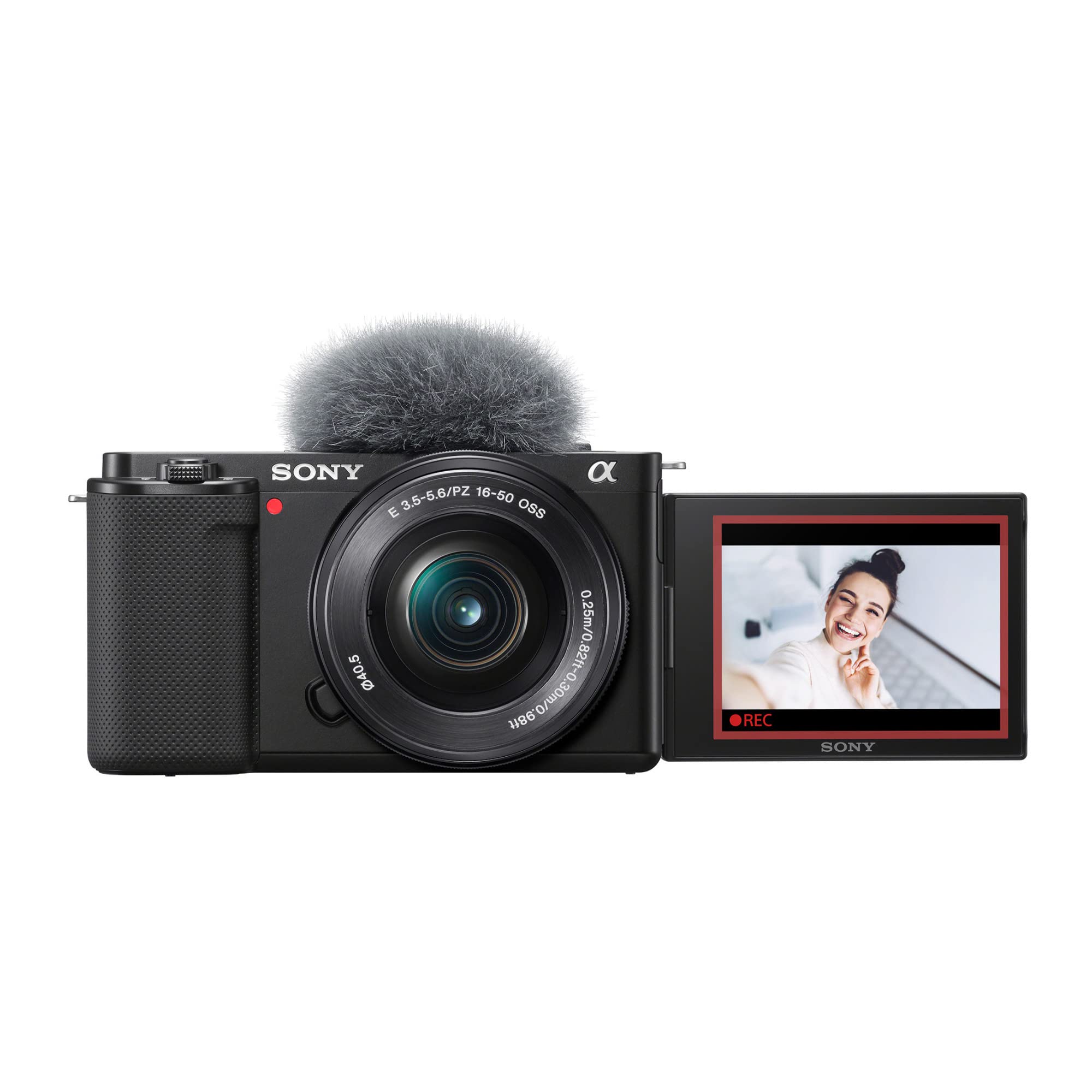
The Fujifilm X-H2S and Sony ZV-E10 are both prominent APS-C mirrorless cameras that cater to different segments of the photography and videography market. While the X-H2S is designed for serious enthusiasts and professionals seeking high-performance capabilities, the ZV-E10 targets content creators and vloggers with a more compact and budget-friendly approach. Choosing between these two models often comes down to the specific use case, whether it's for high-speed photography or casual video creation, making the comparison particularly relevant for buyers looking to invest in their first mirrorless camera or to upgrade their existing setup.
Specifications Comparison
Detailed Comparison
Image Quality
The Fujifilm X-H2S features a 26-megapixel sensor compared to the 24-megapixel sensor in the Sony ZV-E10. This slight edge in resolution gives the X-H2S a small advantage in capturing detailed images, especially when cropping is involved. Additionally, the X-H2S's wider ISO range of 160-12800 (expandable to 80-51200) allows for greater flexibility in challenging lighting conditions compared to the ZV-E10's ISO range of 100-32000 (expandable to 50-51200). This translates to less noise and better performance in low light for the X-H2S, giving it a clear edge when it comes to overall image quality in various environments.
Furthermore, Fujifilm's renowned film simulation modes contribute to the image quality by offering a unique aesthetic appeal that is highly praised by photographers. The ZV-E10, while capable of producing good quality images, lacks these advanced features, making the X-H2S the preferred choice for those prioritizing image quality.
Autofocus System
Both cameras are equipped with 425 autofocus points, providing fast and accurate focusing capabilities. However, the Fujifilm X-H2S excels with its advanced autofocus features, including 3D tracking and face/eye detection, making it particularly effective for dynamic subjects and portraiture. These features are invaluable for photographers and filmmakers who need reliable focusing in fast-paced environments.
In contrast, the Sony ZV-E10, designed primarily for vlogging and casual use, has competent autofocus but does not match the sophistication of the X-H2S's system. While it is sufficient for most content creators, those who require precision, especially in moving subjects, may find the X-H2S's autofocus system significantly more beneficial. Hence, in terms of autofocus performance and versatility, the X-H2S stands out as the winner in this category.
Video Capabilities
The Fujifilm X-H2S is a powerhouse for video recording, boasting 4K video resolution at up to 60 frames per second. This makes it ideal for professional filmmakers or serious video creators who require high-resolution footage with a smooth frame rate. Additionally, it supports 10-bit 4:2:2 internal recording, providing more color depth and flexibility in post-processing.
On the other hand, while the ZV-E10 can record in 1080p at 24fps, it falls short for those looking to create high-quality 4K content. The absence of 4K capability limits the video versatility that enthusiasts may seek, making it more suitable for simple vlogging scenarios. This sharp contrast underscores the X-H2S's lead in video capabilities and positions it as a better option for serious videographers.
Build & Ergonomics
The Fujifilm X-H2S has a more robust design, featuring weather sealing that makes it suitable for outdoor shooting in various conditions. Its larger body, weighing 660 grams, provides a more substantial grip, which benefits photographers during extended shooting sessions. Additionally, the X-H2S includes an electronic viewfinder, enhancing the shooting experience by allowing users to compose shots accurately in bright light.
In contrast, the ZV-E10 is compact and lightweight at 343 grams, which enhances its portability, making it an excellent choice for vloggers who need to carry their camera all day. However, the lack of a viewfinder and weather sealing may be drawbacks for those who frequently shoot in adverse conditions. Thus, while the ZV-E10 excels in portability, the X-H2S wins in terms of durability and shooting experience.
Battery & Storage
The battery life of the Fujifilm X-H2S is rated at approximately 580 shots, while the Sony ZV-E10 offers around 440 shots. This makes the X-H2S a better choice for extended shoots without having to replace batteries frequently. Additionally, the X-H2S uses the NP-W235 battery that supports USB-C charging, enhancing convenience, especially for on-the-go shooting.
In terms of storage, both models use SD cards, but the X-H2S allows for high-speed UHS-II cards, enabling faster read/write speeds essential for 4K video recording and high-resolution photography. The ZV-E10, while capable, may not perform at the same level when managing larger video files. These factors further establish the X-H2S as superior in battery performance and storage capabilities.
Value for Money
With a price point of $2499, the Fujifilm X-H2S is a more significant investment tailored towards advanced users looking for high-end features and professional performance. Given its extensive capabilities in imaging, autofocus, and video output, many users may find its price justified, especially those who engage in serious photography or videography as a profession or hobby.
The Sony ZV-E10, priced at $700, represents remarkable value for beginners or content creators who may not need the advanced features of the X-H2S. It is an affordable option for those entering the world of mirrorless cameras without a considerable upfront investment. While the X-H2S has higher production quality, the value for money in the context of its target demographic makes the ZV-E10 appealing. Thus, in terms of raw price, the ZV-E10 takes this category, highlighting the varying needs of different users.
Our Verdict
Overall, the Fujifilm X-H2S emerges as the winner in this comparison, thanks to its superior image quality, advanced autofocus, and robust video capabilities that cater to a professional audience. While the Sony ZV-E10 offers great value for those focused on vlogging or entry-level photography, it falls short in performance metrics when compared to the X-H2S. Ultimately, the choice between these cameras comes down to the user's needs: for professionals seeking high-end features and build quality, the X-H2S is the clear preference; for beginners looking for a reliable and cost-effective solution, the ZV-E10 provides excellent value.