
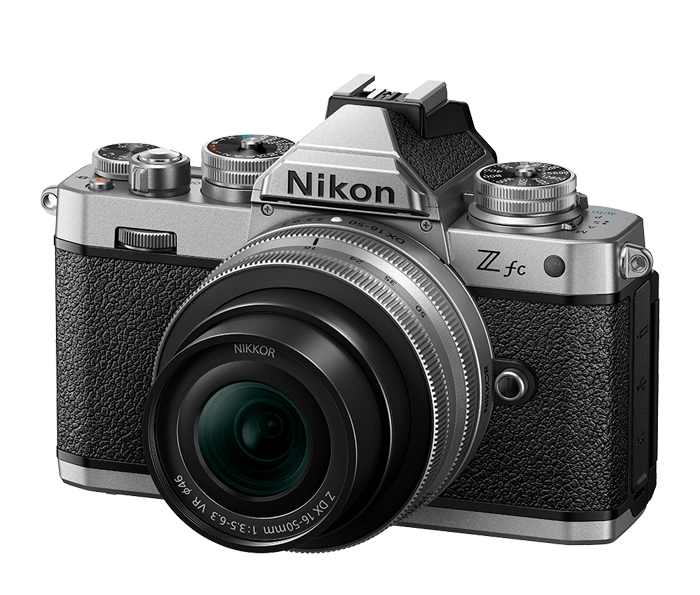
When comparing the Fujifilm X-H2S and the Nikon Z fc, potential buyers often find themselves navigating the unique strengths and philosophies of these two APS-C mirrorless cameras. Fujifilm's X-H2S caters to advanced photographers and videographers seeking high performance, especially in terms of speed and video capabilities. In contrast, the Nikon Z fc appeals to enthusiasts who appreciate a retro design fused with modern capabilities while emphasizing ease of use and versatility. This comparison is particularly salient for individuals looking for either a technical powerhouse or a stylish yet capable everyday camera.
Specifications Comparison
Detailed Comparison
Image Quality
Both cameras incorporate APS-C sensors, offering a similar size with slight variations in resolution and performance. The Fujifilm X-H2S features a 26MP sensor, delivering slightly higher resolution images compared to the Nikon Z fc's 21MP sensor. This difference may be crucial for photographers who require large prints or extensive cropping ability. Additionally, Fujifilm's image processing engine tends to produce vibrant colors and excellent dynamic range, which is a hallmark of their photographic style.
On the other hand, the Nikon Z fc, while slightly lagging in megapixel count, compensates with its excellent high ISO performance that reaches up to 204800. This allows for better low-light photography without excessive noise. The user experience, including color rendition and overall image quality, is subjective and may vary based on personal preference, though Fujifilm is often praised for its unique film simulations.
Overall, while both cameras produce high-quality images suitable for various types of photography, the edge goes to the Fujifilm X-H2S for its higher resolution and superior image quality in typical shooting conditions.
Autofocus System
The autofocus capabilities of these two cameras are markedly different. The Fujifilm X-H2S boasts an impressive 425 autofocus points, ensuring quick and accurate focusing in diverse shooting conditions. This high number of points, combined with advanced tracking algorithms, allows for effective tracking of moving subjects, making it suitable for sports and action photography.
In contrast, the Nikon Z fc features 209 autofocus points. While it performs adequately for most situations, the autofocus may not be as reliable in fast-paced scenarios. Users might find that the Z fc is sufficient for general photography or casual shooting but could struggle with tracking fast-moving subjects. Furthermore, the X-H2S includes advanced features like AI-based subject detection, enhancing its usability in various contexts, from wildlife to portrait photography.
Given the differences in autofocus technology and performance, the Fujifilm X-H2S clearly leads in this aspect, making it a better choice for photographers who prioritize fast and accurate autofocusing.
Video Capabilities
For videographers, the specifications of these two cameras highlight significant differences. The Fujifilm X-H2S shines with its ability to shoot 4K video at 60 frames per second, catering to high-quality video production needs. It also includes advanced features like 10-bit internal recording, high-speed recording options, and extensive color profiles, making it a powerhouse in video capabilities.
Meanwhile, the Nikon Z fc's video performance is limited to 4K at 30 frames per second, which may suffice for casual users or those focused on standard video shooting. However, it lacks advanced video features like internal log recording, which may deter serious videographers looking for professional-grade capabilities. The stabilization features of the X-H2S, rated at 7 stops, also contribute to smoother shots in dynamic conditions, a clear advantage for handheld videography.
Thus, for buyers who prioritize video capabilities, the Fujifilm X-H2S distinctly outperforms the Nikon Z fc.
Build & Ergonomics
In terms of build quality and ergonomics, both the Fujifilm X-H2S and the Nikon Z fc present appealing designs, though they cater to different user preferences. The X-H2S is heavier at 660g, which may provide a more solid feel, particularly for professional use, and it features weather sealing for added durability. This makes it a better choice for outdoor photographers or those who might face elements during their shoots.
Conversely, the Nikon Z fc is lighter at 445g and offers a compact form factor, making it highly portable. Additionally, its retro design is aesthetically pleasing to many enthusiasts, combining vintage charm with modern functionality. It seamlessly blends traditional control dials with contemporary digital performance, appealing to users who prioritize stylish aesthetics and ease of use over ruggedness.
Ultimately, the choice between the two may depend on individual preferences regarding weight and design. However, for those requiring ruggedness and durability in their photography, the Fujifilm X-H2S takes the lead.
Battery & Storage
Battery life is crucial for photographers and videographers who often find themselves shooting for extended periods. The Fujifilm X-H2S offers an impressive 580 shots per charge, allowing for more extended shooting sessions without the need to change or recharge batteries frequently. This is particularly beneficial for event photographers or those on location for long shoots.
On the other hand, the Nikon Z fc's battery life is rated at just 300 shots, which may require users to consider carrying an extra battery or keeping a charging method handy during extended shoots. This could be limiting for users who shoot frequently or for long stretches without access to power.
In terms of storage, both cameras utilize similar SD card formats, providing versatility. However, the enhanced reliability of the X-H2S in battery performance gives it a considerable advantage for serious photographers, ensuring they can capture more without interruption.
Value for Money
When considering value for money, the Fujifilm X-H2S is priced at $2499, which positions it as a premium offering in the APS-C category. The higher price reflects its advanced features suitable for professional use, making it an investment for serious photographers and videographers who will utilize its capabilities extensively.
In contrast, the Nikon Z fc is significantly more economical at $959, appealing to enthusiasts or those new to photography who seek a quality camera without breaking the bank. It offers a solid feature set and attractive design, making it an excellent option for casual shooters who appreciate the aesthetics of a vintage camera without requiring high-end specifications.
While the Fujifilm X-H2S provides advanced capabilities that justify its higher price, potential buyers should carefully consider their needs. For those seeking maximum value in terms of price-performance for casual photography, the Nikon Z fc shines brightly, but for professionals, the X-H2S is likely worth the investment.
Our Verdict
Overall, while both cameras have their unique strengths, the Fujifilm X-H2S emerges as the winner for those who require high-performance, advanced video capabilities, and superior image quality. It is ideal for professional photographers and videographers who need a robust, weather-sealed camera that performs well in varied conditions. Conversely, the Nikon Z fc is an excellent choice for enthusiasts looking for a stylish, affordable option that still delivers decent performance for casual photography and videography without the need for high-end features.