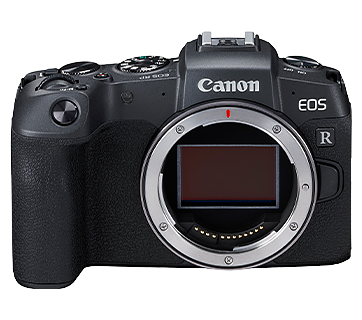

The Canon EOS RP and Sony ZV-E1 are two popular choices among photographers and content creators looking for full-frame mirrorless camera systems. While the EOS RP appeals to traditional photographers seeking a well-rounded camera for various shooting situations, the ZV-E1 targets vloggers and video creators with advanced video capabilities. Both cameras have distinct features that make them attractive, with the EOS RP offering a higher pixel count for still photography and the ZV-E1 providing enhanced video functions and stabilization which are beneficial for dynamic video work. Choosing between these models often comes down to the specific needs of the user, whether prioritizing stills or video, along with considerations like lens compatibility and overall usability.
Specifications Comparison
Detailed Comparison
Image Quality
The Canon EOS RP features a 26 MP full-frame sensor, delivering detailed still images with excellent dynamic range and color fidelity. Its ISO range extends from 100 to 40,000, with the capability to expand to 50-102,400, making it versatile in low-light conditions. The higher megapixel count allows for more cropping flexibility and resolution, appealing to landscape and portrait photographers.
On the other hand, the Sony ZV-E1 has a lower 12 MP resolution, which may seem limiting for still photography enthusiasts, but it still offers fantastic image quality with its full-frame sensor. The ISO range also exceeds that of the EOS RP, going from 80 to 102,400 with an expansion to 40-409,600. This is particularly beneficial for videographers working in challenging lighting situations.
In practical use, the choice might depend on whether users prioritize high-resolution images for prints and heavy cropping (favoring the EOS RP) or optimal low-light performance and speed (which the ZV-E1 offers better). Ultimately, while the EOS RP provides greater detail for still images, the ZV-E1's expanded ISO capabilities are compelling for video creators.
Winner: a
Autofocus System
Autofocus performance greatly impacts the usability of a camera for various shooting styles. The Canon EOS RP boasts an impressive 4779 autofocus points, which utilizes Canon's Dual Pixel technology for smooth and accurate focusing, making it suitable for both photography and videography.
Conversely, the Sony ZV-E1 features a faster and more sophisticated autofocus system with 759 points and advanced features such as real-time Eye autofocus for humans and animals. This is especially critical for vloggers and content creators who often move around a lot and need reliable focusing without missing a moment.
In practical scenarios, the ZV-E1 offers a more responsive and advanced autofocus system, which can make a significant difference during action shots or when filming moving subjects. While the EOS RP delivers solid performance, the ZV-E1's autofocus is tailored for high-demand video applications.
Winner: b
Video Capabilities
When it comes to video, the Sony ZV-E1 clearly stands out with its ability to capture 4K video at 60 frames per second. This makes it incredibly powerful for filmmakers looking to create smooth and high-quality video content. Additionally, the ZV-E1 offers built-in 5-stop stabilization, which helps to reduce shake during handheld shooting, a crucial feature for vloggers.
The Canon EOS RP, however, is limited to 4K resolution at 24 frames per second without any advanced stabilization features. This ensures that while it can provide decent video quality, it may not meet the needs of serious videographers aiming for higher frame rates and smoother footage.
Overall, the ZV-E1 not only meets modern video demands with its specifications but enhances usability for video creation, making it an ideal choice for those focused on video content.
Winner: b
Build & Ergonomics
The Canon EOS RP is slightly larger and heavier than the ZV-E1, weighing 485 grams compared to the ZV-E1's 483 grams. The dimensions of the EOS RP (133 x 85 x 70 mm) offer a more substantial grip, which can be comforting for extended use, particularly for photographers.
In contrast, the ZV-E1 is designed with portability and ergonomics for vlogging in mind. Its compact form (121 x 72 x 54 mm) makes it easy to handle and transport. Plus, the ZV-E1 has weather-sealing features, giving it an edge in durability against the elements for outdoor shoots.
Furthermore, while the EOS RP includes an electronic viewfinder, the ZV-E1 lacks one, which may deter traditional photographers used to composing through a viewfinder. This difference can be decisive based on user preference for composition style.
Winner: tie
Battery & Storage
Battery life is a significant consideration for both cameras. The Canon EOS RP delivers approximately 250 shots per charge, which could be limiting for photographers on long shoots without access to power sources. In contrast, the Sony ZV-E1 excels with around 570 shots per charge, allowing for much longer recording times without interruption, a huge plus for video work.
In terms of storage, both cameras use SD card slots but differ in card type. The EOS RP offers a single SD card slot supporting UHS-II. Meanwhile, the ZV-E1 has one UHS-II compatible card slot, ensuring both can handle high-speed data transfer crucial for 4K video recording.
Overall, for users prioritizing battery life, especially for lengthy video sessions, the ZV-E1 takes the lead here.
Winner: b
Value for Money
Pricing can heavily influence purchasing decisions, with the Canon EOS RP retailing at approximately $1299, making it a more affordable choice for budding photographers wanting to make the leap into full-frame photography without breaking the bank. It offers great value for those primarily focused on still image quality.
On the contrary, the Sony ZV-E1 commands a higher price of about $2200, justified by its advanced video capabilities and enhanced autofocus system. However, this price increase might only appeal to videographers and content creators who can fully utilize the additional features.
Choosing the right option in terms of value depends on the user's primary focus. For those needing a versatile full-frame camera primarily for photos, the EOS RP is a strong contender. But for creators heavily invested in video production, the ZV-E1 provides features that may justify the higher investment.
Winner: a
Our Verdict
In conclusion, while both the Canon EOS RP and Sony ZV-E1 have their strengths, the overall winner is the Sony ZV-E1 due to its superior autofocus system, remarkable video capabilities, and better battery life, making it a stellar choice for content creators and vloggers. Meanwhile, the Canon EOS RP shines in still photography settings where higher resolution images and lower price points are paramount. Buyers should consider their specific needs - whether they prioritize high-quality stills or robust video functionality to make the best purchasing decision.
Canon EOS RP
Sony ZV-E1
Also Compare
Frequently Asked Questions
Which camera is better for low-light photography?
Both cameras perform well in low-light situations, but the Canon EOS RP's higher megapixel count can provide better detail, while the ZV-E1's wider ISO range allows for greater flexibility in noise management, making it more favorable for video work in low light.
Is the Canon EOS RP suitable for vlogging?
While the EOS RP can certainly be used for vlogging, it lacks many of the features that make the ZV-E1 ideal for that purpose, such as advanced video features, stabilization, and a compact design tailored for handheld use.
Can I use lenses from other Canon cameras with the EOS RP?
Yes, the Canon EOS RP supports Canon RF lenses directly and can also use Canon EF lenses with an adapter, providing a wide range of compatible lenses for various styles of photography.
Does the Sony ZV-E1 have an electronic viewfinder?
No, the ZV-E1 does not have an electronic viewfinder, which is something to consider for users who prefer composing their shots with a viewfinder rather than through the LCD screen.
What is the main advantage of the ZV-E1 for video creators?
The biggest advantages of the ZV-E1 for video creators include its ability to record 4K at 60p, built-in stabilization, and superior autofocus, all of which simplify the process of capturing smooth, high-quality video content.