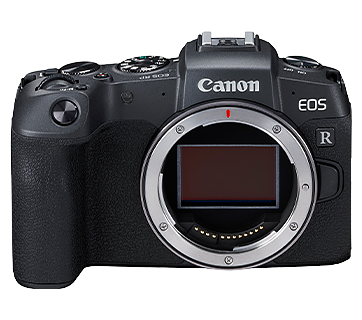
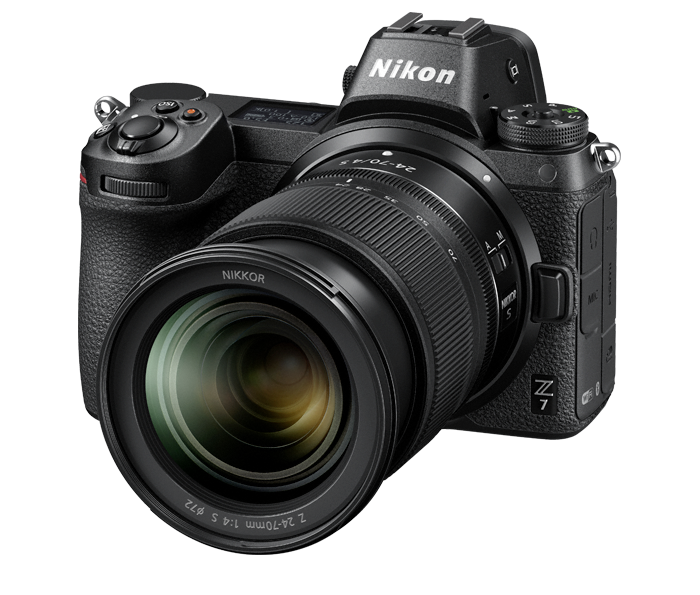
The Canon EOS RP and the Nikon Z7 are two full-frame mirrorless cameras that attract photographers and videographers with different priorities and budgets. The EOS RP, being Canon's more affordable option, is aimed at entry-level enthusiasts who seek a compact and lightweight solution without compromising on the essential features. In contrast, the Nikon Z7 is a high-end model that offers advanced capabilities, appealing to professional users and serious hobbyists looking for superior image quality and performance. This comparison highlights key specifications that differentiate them, including image quality, autofocus, video capabilities, build quality, and overall value.
Specifications Comparison
Detailed Comparison
Image Quality
The image quality between the two cameras is primarily determined by sensor resolution and low-light performance. The Nikon Z7 boasts a 46-megapixel sensor compared to the Canon EOS RP's 26-megapixel offering, allowing the Z7 to capture more detail and produce higher-resolution images suitable for large prints and cropping. Additionally, the Nikon Z7 has a native ISO range from 64 to 25,600, expandable to 32-102,400. This gives it an edge in low-light situations. The Canon EOS RP's ISO range of 100 to 40,000 (expandable to 50-102,400) is robust but doesn't quite match the Z7's capabilities at the lower end, potentially resulting in better performance at lower ISO settings for the Nikon.
However, while the Z7 excels in resolution, it may not always translate into superior image quality in practical scenarios. The EOS RP leverages Canon's color science, known for producing pleasing skin tones and vibrant colors. Users may prefer the EOS RP's color rendering over the Nikon in certain environments, indicating that image quality is not solely about megapixels. In summary, while the Z7 takes the crown in terms of pixel count and versatility in low-light, the RP is competitive for those who prioritize color fidelity.
Autofocus System
Autofocus is crucial for capturing sharp images, and both Canon and Nikon have equipped their cameras with advanced AF systems. The Canon EOS RP features Dual Pixel AF with 4,779 autofocus points, which delivers smooth and fast focusing performance, particularly beneficial for video and live-view photography. This comprehensive coverage allows for effective subject tracking and ensures that subjects remain in focus.
The Nikon Z7 has 493 autofocus points, offering excellent coverage as well, but it also features a sophisticated hybrid AF system that excels in low-light conditions and during continuous shooting. With a maximum frame rate of 9 fps, the Z7 can capture fast-moving subjects more effectively than the Canon RP, which maxes out at 5 fps. Additionally, users report that the Z7's AF performance is more reliable in challenging lighting environments. Considering these differences, the Nikon Z7 presents a more robust autofocus system for serious action and wildlife photographers.
Video Capabilities
When it comes to video capabilities, the Nikon Z7 is the clear leader, offering 4K video recording at 30 frames per second, which provides flexibility for content creators who need higher frame rates for smooth playback. The higher resolution of the Z7 not only benefits stills but also enhances video quality, producing more detailed footage.
In comparison, the Canon EOS RP offers 4K at a maximum of 24 frames per second. Additionally, its 4K video features a significant crop factor, which limits its usability for wide-angle shots. However, the EOS RP does have advantages such as Canon's renowned color science and ease of use, making it more accessible for beginners. For filmmakers looking for higher quality resolution and frame rate options, the Z7's capabilities are more suitable. Conversely, casual videographers may find the RP's offerings sufficient.
Build & Ergonomics
The Canon EOS RP is designed with a compact and lightweight form that makes it appealing for travel and street photography, weighing in at 485 grams, lighter than the Nikon Z7 at 675 grams. Its dimensions are also slightly smaller, making it comfortable to carry and handle for extended periods.
In contrast, the Nikon Z7, while heavier, offers a more robust build with weather sealing, making it suitable for outdoor and professional use. Its ergonomics, including a slightly larger grip, provide better handling, especially with larger lenses. This ruggedness makes the Z7 a reliable option for professional photographers dealing with challenging conditions. Ultimately, those who prioritize portability may lean towards the EOS RP, while users who need a more durable camera for various environments may prefer the Z7.
Battery & Storage
Battery life is an essential consideration for photographers and videographers when choosing a camera. The Nikon Z7 has a superior battery life, rated at approximately 330 shots per charge, compared to the Canon EOS RP's 250 shots. This means that photographers using the Z7 can shoot longer without needing to change batteries, a crucial factor during extended photo sessions or events.
Additionally, the Z7 features dual card slots, allowing for more storage capacity and backup options, which is vital for professionals who can't afford to lose any shots. In contrast, the EOS RP has a single card slot, which may limit its appeal for those who require extensive storage solutions on shoots. Given these factors, the Nikon Z7 offers a more reliable setup for those serious about extended shooting.
Value for Money
Regarding price, the Canon EOS RP is positioned as a budget-friendly entry to full-frame photography at $1,299, making it more accessible for beginners and amateurs looking for quality without significant investment. It provides a solid set of features and can deliver excellent results in the right hands.
On the other hand, the Nikon Z7 is priced at $3,399 and targets advanced users who demand higher performance and professional features. While the Z7's features justify its price for professionals, it may be a steep investment for casual photographers. The EOS RP thus excels in offering value for money, providing essential features at a fraction of the cost. In terms of affordability and attractive features, the RP stands out, especially for those entering the full-frame camera market.
Our Verdict
Ultimately, while both cameras offer compelling features, the Nikon Z7 takes the overall win, especially for professionals who prioritize superior image quality, autofocus reliability, advanced video capabilities, and weather resistance. However, for beginners or enthusiasts looking for a lighter and more affordable option, the Canon EOS RP provides excellent value, surprising performance, and ease of use. Buyers should consider their specific needs and use cases carefully before making a decision.
Canon EOS RP
Nikon Z7
Also Compare
Frequently Asked Questions
Which camera is better for low-light photography?
The Nikon Z7 is preferable for low-light photography due to its higher native ISO range and superior low-light autofocus performance.
Is the Canon EOS RP good for video recording?
Yes, the Canon EOS RP is capable of recording 4K video, but it has a crop factor and is limited to 24 fps. It's suitable for casual videography.
Can both cameras be used for professional photography?
Yes, while the Nikon Z7 is more geared towards professionals due to its advanced features and image quality, the Canon EOS RP can also be used effectively for professional shoots, particularly in less demanding environments.
How do the lens ecosystems compare?
Both Canon RF and Nikon Z mounts have a growing selection of lenses, with Nikon having more options available due to an earlier market entry. Canon offers excellent RF lenses, but users should consider the specific lenses available for their needs.
Which camera has better ergonomics?
The ergonomics depend on personal preference; the Canon EOS RP is lighter and more compact, while the Nikon Z7 offers a more robust build and larger grip, which some users may prefer for handling.