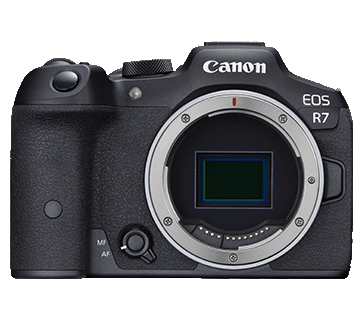
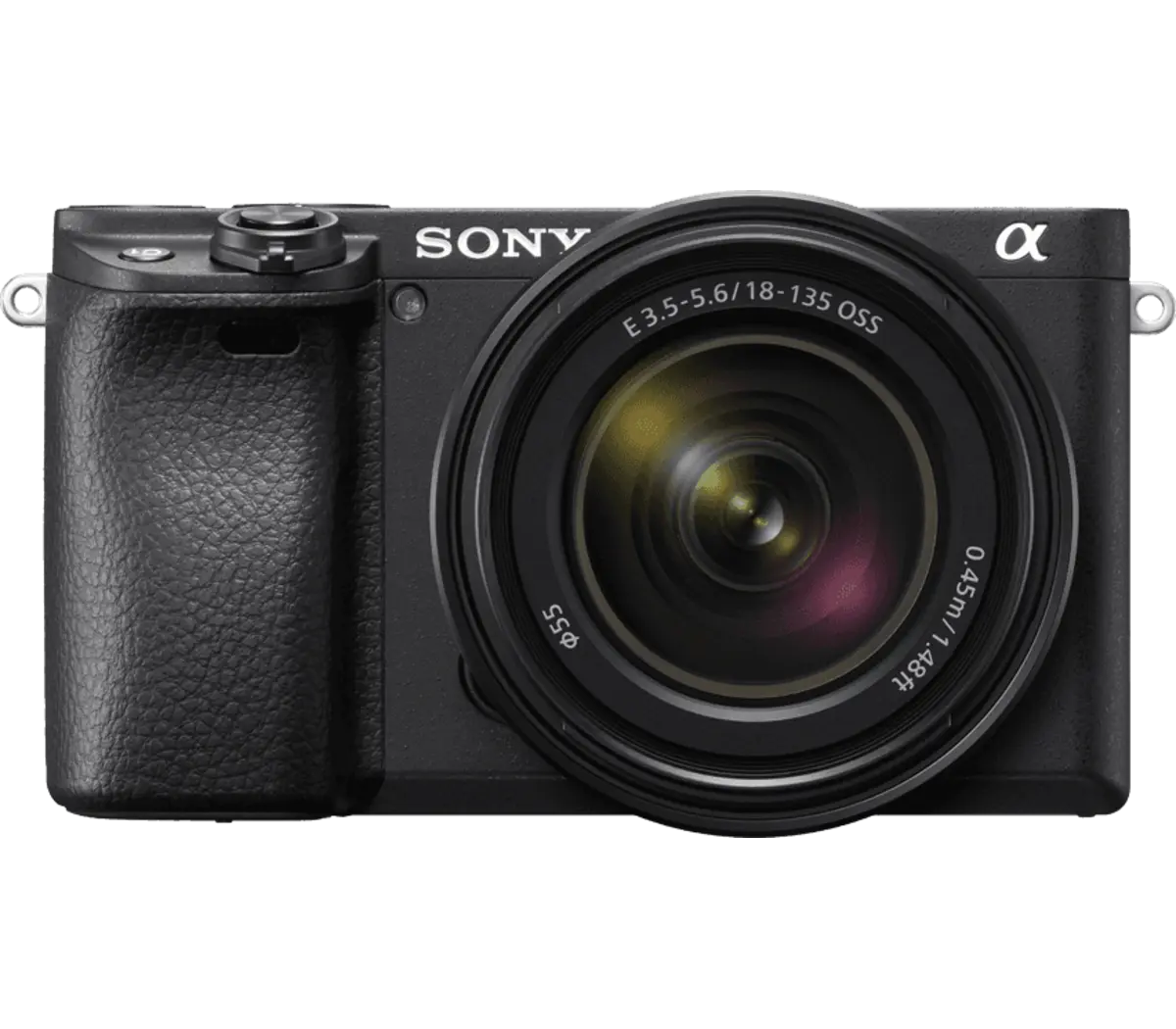
The Canon EOS R7 and Sony A6400 are two popular mirrorless cameras that showcase advanced technology and compact designs, making them ideal choices for both enthusiasts and professionals. Both cameras fall within the APS-C sensor category, offering a balance of portability and image quality. Potential buyers might find themselves choosing between these two models based on different use cases, such as wildlife photography, vlogging, or general-purpose shooting. Key differentiators between the models include autofocus capabilities, image quality, and overall system value.
Specifications Comparison
Detailed Comparison
Image Quality
In terms of image quality, the Canon EOS R7 boasts a higher resolution with 33 megapixels compared to the Sony A6400's 24 megapixels. This additional resolution can be particularly advantageous for those looking to make large prints or heavily crop images. Additionally, the R7's sensor slightly enhances dynamic range, providing better performance in complex lighting conditions. Both cameras share a similar ISO range of 100-32000, but the A6400 expands to 102800, which may appeal to those who regularly shoot in low-light scenarios.
The Canon EOS R7 utilizes its higher pixel count to produce detailed images, making it more suitable for landscape and detailed portrait work. The EOS R7 also benefits from Canon's renowned color science, which delivers pleasing skin tones and vibrant colors. On the other hand, while the A6400 provides good image quality, the lower megapixel count means it can suffer slightly in terms of detail capture and overall resolution when compared side-by-side with the R7.
In the end, if high-resolution image capture is a priority, the Canon EOS R7 takes the lead. However, for casual photography with an affordability factor, the Sony A6400 stands strong.
Autofocus System
Autofocus is crucial for both stills and moving subjects, and here the Canon EOS R7 excels with a staggering 651 autofocus points compared to the Sony A6400's 425 points. This broader coverage and greater number of points on the R7 enhance its accuracy and tracking capabilities, particularly in fast-moving scenarios such as wildlife or sports photography.
The A6400 is equipped with a highly regarded Fast Hybrid AF system, which includes real-time Eye autofocus for both humans and animals, making it a formidable challenger in portraiture and wildlife photography. However, the R7 matches and sometimes surpasses in continuous shooting scenarios, capturing images at a maximum of 15 fps versus the A6400's 11 fps.
While both systems are highly capable and employ advanced tracking algorithms, the sheer number of autofocus points in the EOS R7 gives it an edge. Thus, for action photography or situations requiring fast and reliable autofocus, the Canon EOS R7 is the better option.
Video Capabilities
Both the Canon EOS R7 and Sony A6400 offer impressive 4K video recording capabilities at 30 frames per second, making them competitive options for videographers and content creators. However, the R7 provides additional benefits like in-body stabilization rated at 6 stops, which significantly aids in capturing smooth video footage, especially during handheld shooting.
The A6400, while also an excellent choice for video, does not feature internal stabilization, which can be a drawback for those shooting dynamic content or in challenging environments. Additionally, the R7 may leverage its higher megapixel sensor for more detailed video output and better cropping options in post-production.
Overall, for dedicated video work, the EOS R7 takes the lead with its stabilization features, while the A6400 remains a solid choice for users who prioritize autofocus during video and can manage without stabilization.
Build & Ergonomics
When it comes to build quality and ergonomics, both cameras feature weather sealing, providing a layer of protection against the elements. Nevertheless, the Canon EOS R7 is bulkier and heavier at 612 grams compared to the Sony A6400's 403 grams, which can affect portability for some photographers.
The R7 features a comfortable grip designed for extended shooting sessions, potentially offering a more stable experience for users with larger hands. In contrast, the A6400's compact and lightweight design makes it highly portable, ideal for travelers or those who prefer less cumbersome setups. Users may appreciate the high-resolution EVF in the R7, while the A6400 opts for a simpler display experience, which could be less immersive.
Thus, while the R7 may be favorably built for professional use, those looking for a lightweight travel companion might prefer the A6400.
Battery & Storage
The Canon EOS R7 offers a battery life of around 660 shots, significantly outperforming the Sony A6400, which provides around 410 shots per charge. This is particularly relevant for users who spend long hours shooting without easy access to power sources.
Both cameras utilize SD card storage, with the R7 supporting UHS-II cards, which allows for faster writing speeds-especially beneficial during continuous shooting. The A6400, while capable, may encounter slower write times in burst shooting scenarios due to its slower UHS-I compatibility.
For photographers emphasizing long shooting sessions without frequent battery changes, the Canon EOS R7 presents a clear advantage with superior performance in both battery life and storage capabilities.
Value for Money
The Sony A6400 comes with a more attractive price point of $900, offering excellent value considering its capabilities, especially for beginners or those entering the enthusiast market. This price is appealing for many users, particularly given its solid performance in autofocus and overall image quality.
In contrast, the Canon EOS R7 is priced at $1499, reflecting its status as a higher-end offering with advanced features, such as superior image resolution, autofocus performance, and in-body stabilization-features that may justify the price for professionals or serious enthusiasts. While it provides enhanced capabilities, its higher cost may deter entry-level users.
Ultimately, those on a budget may find greater value in the A6400, but for serious photographers looking for a comprehensive tool, the R7 offers features that could be worth the investment.
Lens Ecosystem
Lens availability and ecosystem can significantly impact the overall user experience. The Canon EOS R7 embraces the RF lens mount, which currently offers a range of high-quality lenses optimized for the R series. However, as a newer system, the lens selection is growing but still not as extensive as that available for the Sony system.
On the other hand, the Sony A6400 utilizes the E-mount, which benefits from a well-established ecosystem with a wide variety of lenses available, ranging from affordable primes to high-end professional glass. This extensive range offers users more versatility and options to suit their specific photography needs.
For buyers specifically looking for a broad lens selection and flexibility, the Sony A6400 enjoys a robust advantage thanks to the mature lens ecosystem.
Our Verdict
In conclusion, while both the Canon EOS R7 and Sony A6400 have their strengths and can cater to different types of photographers, the Canon EOS R7 ultimately emerges as the overall winner in this comparison. Its superior image quality, advanced autofocus capabilities, and excellent video features with in-body stabilization make it a standout choice for serious enthusiasts and professionals. However, the Sony A6400 remains an excellent option for beginners or budget-conscious buyers who desire solid performance and a comprehensive lens selection. The choice between the two will largely depend on the specific needs and priorities of the user.
Canon EOS R7
Sony A6400
Also Compare
Frequently Asked Questions
Is the Canon EOS R7 worth the higher price?
Yes, if you prioritize image quality and advanced features like high-resolution shooting and in-body stabilization, the Canon EOS R7 justifies its higher price point.
How does the autofocus of the Canon EOS R7 compare to the Sony A6400?
The Canon EOS R7 has significantly more autofocus points and superior tracking capabilities, making it better suited for fast-action photography compared to the A6400.
Which camera is better for video recording?
The Canon EOS R7 has an advantage with in-body stabilization, making it better for handheld video shooting, while both cameras record in 4K at 30p.
What are the key advantages of the Sony A6400?
The A6400 is lightweight, has a lower price point, and its mature E-mount system provides a vast selection of lenses.
Which camera is better for travel photography?
The Sony A6400, being more compact and lightweight, makes it a better choice for travel photography, especially for those who want to minimize gear weight.