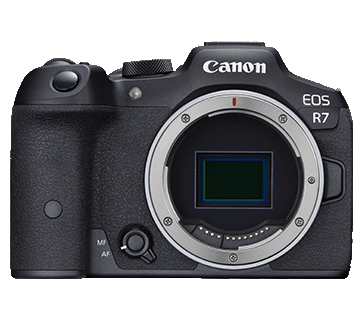
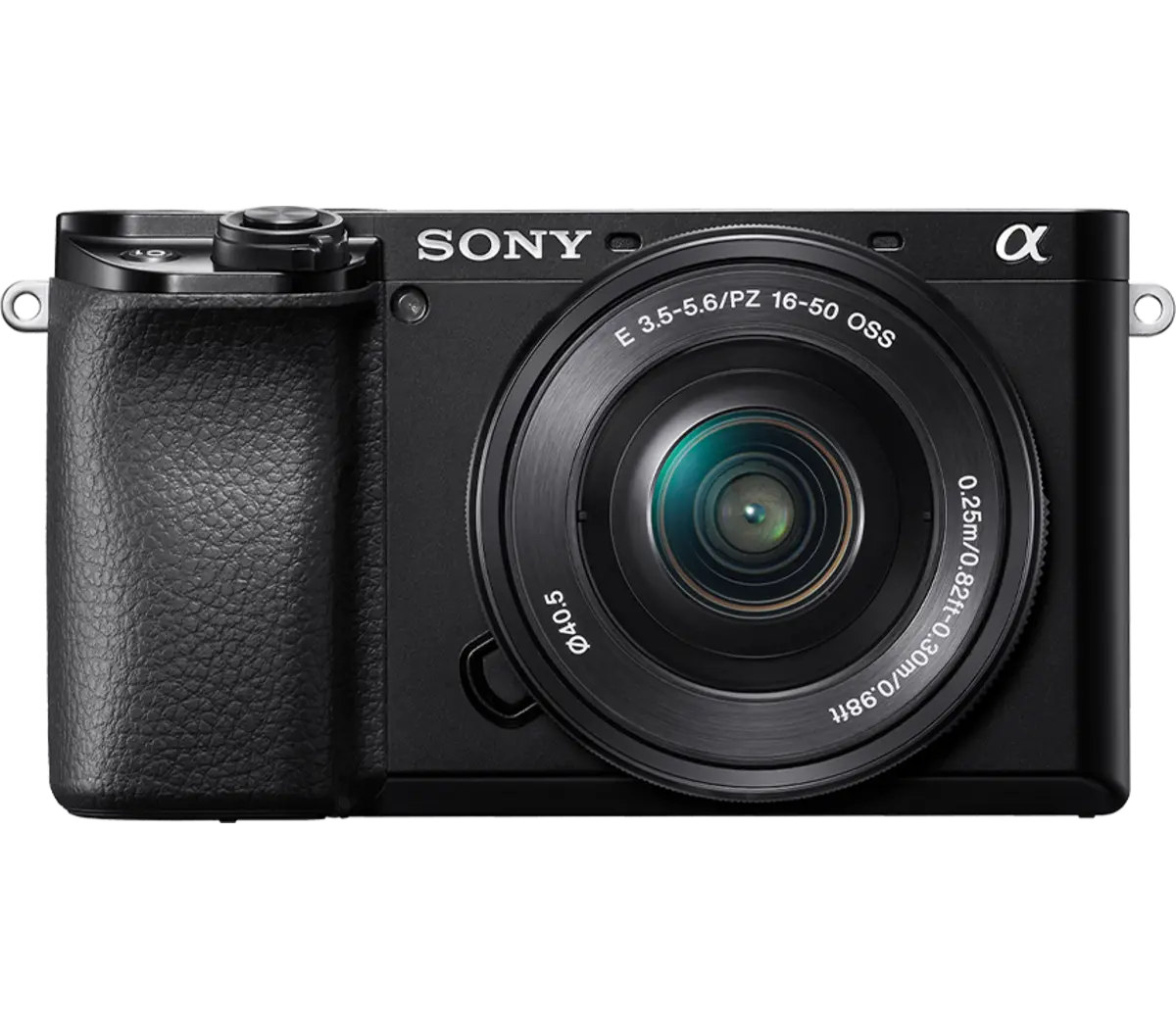
The Canon EOS R7 and Sony A6100 are two compelling options in the APS-C mirrorless camera segment, often considered by enthusiasts and semi-professional photographers alike. The R7, released in 2022, features a higher megapixel count and advanced autofocus capabilities, making it suitable for action and wildlife photography. In contrast, the A6100, introduced in 2019, is a more budget-friendly choice with a robust feature set and excellent image quality, appealing to entry-level users and those who prioritize compactness. Key differentiators include sensor resolution, autofocus points, and overall ergonomics, critical for photographers who rely heavily on performance and comfort during extended shoots.
Specifications Comparison
Detailed Comparison
Image Quality
The Canon EOS R7 excels in image quality with its 33-megapixel sensor, providing a higher resolution compared to the Sony A6100's 24-megapixel sensor. This higher pixel count allows for more detail in images, especially in large prints or when cropping. Additionally, the R7's ISO performance, with a range of 100-32000, ensures better low-light capability and image clarity. In many real-life scenarios, the R7's files retain more detail and offer greater flexibility in post-processing. The A6100 does a commendable job with its image quality, especially considering its price point. Its ISO also extends to 51200, which can be beneficial in extreme low-light situations. However, images at the highest ISO might exhibit more noise than those from the R7.
Autofocus System
The autofocus system is one of the standout features of the Canon EOS R7, boasting an impressive 651 autofocus points. This extensive coverage allows for rapid focusing and excellent tracking, particularly in dynamic shooting environments such as sports and wildlife photography. The advanced AI-driven subject detection enhances its performance even further. The Sony A6100, while capable with its 425 autofocus points and effective real-time tracking, doesn't quite reach the same level of precision and adaptability under challenging conditions. Photographers who frequently shoot fast-moving subjects may find the R7's autofocus to be a crucial advantage for achieving sharp images consistently.
Video Capabilities
Both the Canon EOS R7 and Sony A6100 support 4K video resolution at 30p, making them suitable for videographers. However, the R7 benefits from in-body stabilization that offers up to 6 stops, which is vital for handheld shooting to reduce motion blur. The A6100 lacks in-body stabilization, requiring the use of stabilized lenses or tripods for the best results during video recording. This difference is particularly notable for users who intend to film action sequences or handheld vlogs. In terms of video quality, both cameras render impressive footage, but the added stabilization and higher resolution capabilities of the R7 make it a more desirable choice for serious video creators.
Build & Ergonomics
The Canon EOS R7 is designed with a more robust build quality, featuring weather sealing that protects it from dust and moisture-ideal for outdoor shoots in varying conditions. It also has a larger grip, which may provide more comfort during long shooting sessions. In contrast, the Sony A6100, while compact and lightweight at 396g, may feel less durable and less comfortable for some users during extended use. However, its smaller size and weight make it an easier option for travel and daily carry, appealing to casual photographers. Ultimately, the choice will depend on whether the user prioritizes durability and grip or portability over long shooting sessions.
Battery & Storage
When considering battery life, the Canon EOS R7 has a significant advantage, offering about 660 shots per charge compared to the Sony A6100's 420 shots. This extended battery life is crucial for photographers who are out in the field for longer periods without access to charging solutions. In terms of storage, both cameras utilize SD cards; however, the R7's compatibility with faster UHS-II cards enables quicker write speeds for burst shooting and 4K video recording. Photographers who shoot frequently may appreciate the R7's more efficient power management and storage capabilities, allowing for fewer interruptions during shoots.
Value for Money
The Sony A6100 presents a strong value proposition at its price point of around $750, offering solid performance and excellent image quality, making it a suitable entry point for those new to mirrorless photography. Its features are well-suited for casual users and those not needing the advanced capabilities of the R7. Conversely, the Canon EOS R7, priced at $1,499, offers higher-end specifications and features that cater more to serious enthusiasts and professionals willing to invest in better performance and build quality. While the A6100 is more budget-friendly, the higher cost of the R7 may be justified for users requiring advanced features and superior results.
Lens Ecosystem
The Canon RF mount used by the EOS R7 has access to a growing selection of high-quality lenses tailored for the needs of professional photographers, which allows for versatile shooting options. However, as a newer system, it may have fewer available lenses compared to Sony's E-mount system. The Sony A6100's E-mount benefits from a well-established ecosystem, with a wide variety of lenses available from both Sony and third-party manufacturers, providing more options for users at different budget levels. This strong lens ecosystem is a considerable advantage for those looking to expand their kit over time. Though both systems have strengths, the broader selection and availability of lenses with the A6100 give it an edge in this aspect.
Our Verdict
In the comparison between the Canon EOS R7 and Sony A6100, the R7 emerges as the overall winner due to its superior image quality, autofocus capabilities, video stabilization, and robust build quality. It is especially suitable for professional photographers and videographers who demand performance and robustness from their gear. However, the Sony A6100 offers great value, making it an ideal choice for beginners or casual shooters who might not need the advanced features provided by the R7 but still want to experience the benefits of a mirrorless camera system. Ultimately, the choice depends on the user's specific needs, budget, and shooting style.
Canon EOS R7
Sony A6100
Also Compare
Frequently Asked Questions
Which camera is better for low-light photography?
The Canon EOS R7 generally performs better in low-light situations due to its higher resolution sensor and better noise control when compared to the Sony A6100.
Is the Canon EOS R7 suitable for wildlife photography?
Yes, the Canon EOS R7 is excellent for wildlife photography thanks to its high autofocus points, fast burst shooting, and superior image quality.
How do the video features compare between the two cameras?
Both cameras support 4K video at 30p, but the Canon EOS R7 offers in-body stabilization, which provides smoother footage compared to the Sony A6100.
What is the main advantage of the Sony A6100?
The main advantage of the Sony A6100 is its affordability and extensive lens ecosystem, making it a great entry point for those new to photography.
Which camera is more suitable for travel?
The Sony A6100 is more suitable for travel due to its compact size and lightweight design, making it easier to carry around.
Are lenses interchangeable between the two cameras?
No, the Canon EOS R7 uses the RF mount while the Sony A6100 uses the E mount; therefore, lenses are not interchangeable between the two.