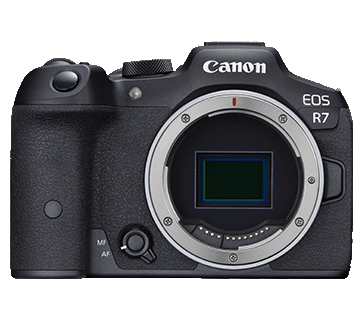
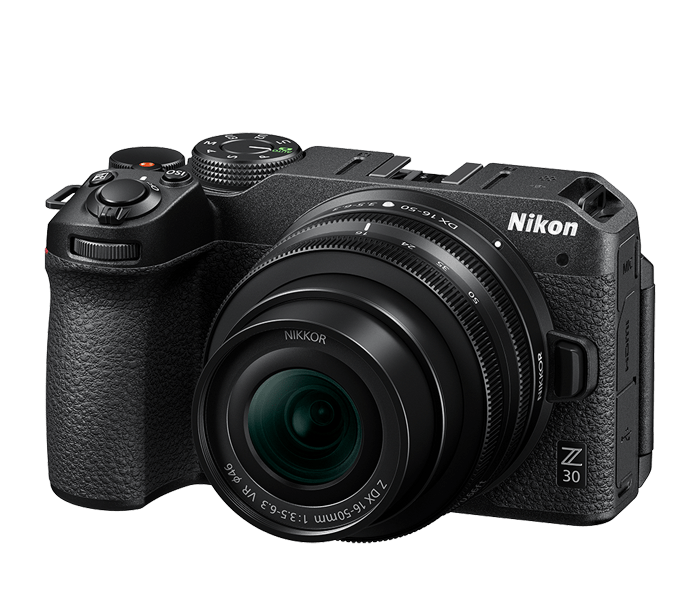
The Canon EOS R7 and Nikon Z30 are two popular mirrorless cameras that often capture the attention of aspiring photographers and videographers looking to take their craft to the next level. Both cameras are designed with a focus on ease of use, portability, and exceptional image quality, making them ideal choices for enthusiasts and professionals alike. While the EOS R7 positions itself as a high-performance option with advanced capabilities, the Z30 offers an attractive price point for those just starting their photography journey. As potential buyers compare these models, the key differentiators lie in factors such as sensor performance, autofocus systems, video capabilities, and overall value for money.
Specifications Comparison
Detailed Comparison
Image Quality
The Canon EOS R7 features a 33-megapixel APS-C sensor, which provides a higher resolution compared to the Nikon Z30's 21-megapixel sensor. This additional megapixel count allows the R7 to capture more detail in images, making it superior for landscape photography and large prints. Although the Nikon Z30's sensor is slightly larger at 23.5 x 15.7 mm compared to Canon's 22.2 x 14.8 mm, the difference in megapixels plays a more significant role in image quality for most use cases.
Moreover, the Canon EOS R7 offers an ISO range of 100-32,000, which can be extended for lower light conditions, allowing for improved performance in low-light situations. In contrast, the Z30 has an impressive ISO range that can auto-expand to 51,200 and goes up to 204,800, providing flexibility for high-ISO shooting. However, the real-world performance of the R7 tends to yield cleaner low-light images, making it the go-to option for conditions requiring higher sensitivity.
While both cameras produce excellent image quality, the R7's higher megapixel count and sensor performance in low light give it a slight edge in terms of overall image quality. Thus, in this aspect, the winner is clear.
Autofocus System
Autofocus is a critical feature for any camera, especially for action photography and videography. The Canon EOS R7 boasts an impressive 651 autofocus points, which provides extensive coverage and accuracy, particularly when tracking moving subjects. This expansive system allows for faster focusing in a variety of environments.
On the other hand, the Nikon Z30 has 209 autofocus points, which, while decent for stills and moderate action, does not match the overall performance level of the R7. The fewer autofocus points may limit the Z30's ability to track fast-moving subjects reliably.
Given the R7's superior autofocus system, it becomes the clear choice for photographers who prioritize capturing fast action, such as sports or wildlife. Thus, for autofocus capability, the winner is Canon EOS R7.
Video Capabilities
Both the Canon EOS R7 and Nikon Z30 offer 4K video recording at 30 frames per second, catering to videographers looking for high-resolution filming. However, the R7 provides additional advantages with features such as in-body image stabilization (IBIS), which boasts up to 6 stops, giving it better handling in dynamic shooting situations or lower light settings. In contrast, the Z30 lacks stabilization, making handheld shooting a bit more challenging.
Furthermore, the EOS R7 supports higher frame rates and more advanced video features such as C-Log for color grading, which is vital for filmmakers who desire flexibility in post-production. Though the Z30 is a capable option, it does not offer the same level of advanced videography tools as the R7.
Based on these factors, the Canon EOS R7 emerges as the superior choice for filmmakers and videographers looking for a comprehensive video feature set, making it the winner of this section.
Build & Ergonomics
In terms of build quality, both the Canon EOS R7 and Nikon Z30 are weather-sealed, which is an important trait for outdoor photographers. However, the R7 is larger and substantially heavier at 612g compared to the 405g Z30, which may affect portability and comfort during extended shooting sessions.
The R7's dimensions are also bulkier (132 x 90 x 92 mm) than those of the Z30 (128 x 74 x 60 mm), providing a grip that many users find more comfortable, especially when using larger lenses. While the Z30 is compact and lightweight, which is great for travel and casual photography, it may feel less substantial in hand compared to the sturdier EOS R7.
Given that many photographers prefer a more robust build, especially those inclined toward enthusiast-level photography, the winner in this aspect is the Canon EOS R7, due to its better handling and comfort.
Battery & Storage
Battery life is crucial for both stills and video shooters. The Canon EOS R7 boasts a robust battery life, capable of approximately 660 shots per charge, while the Nikon Z30 offers about 330 shots. This significant difference may be especially impactful for photographers who shoot in remote locations or during lengthy sessions without the option to recharge.
Regarding storage options, both cameras support SD cards; however, the R7 includes dual card slots, allowing for redundancy and a greater storage capacity, making it better suited for professional work that demands reliability.
With its superior battery life and dual card slots, the Canon EOS R7 provides a more practical solution for those who prioritize extended shooting sessions. Thus, it takes the win in this category.
Value for Money
When comparing the price, the Nikon Z30 is a budget-friendly option, retailing at around $710. This makes it an attractive choice for beginner photographers who want a reliable camera without breaking the bank. While it lacks some advanced features, it still delivers a solid performance for casual shooting and entry-level videography.
In contrast, the Canon EOS R7, priced at $1499, is aimed at more serious photographers and videographers who are willing to invest for superior performance, advanced features, and higher image quality. For those wanting professional-level capabilities and better ergonomic design, the price associated with the R7 could be justified. However, for budget-conscious buyers just starting out, the Z30 represents excellent value for responsible performance and usability.
Since the price difference is substantial and the target audience varies greatly between these two models, this section ultimately results in a tie, as both cameras offer value in their respective categories.
Our Verdict
Overall, the Canon EOS R7 emerges as the winner in this comparison, primarily due to its superior image quality, advanced autofocus system, enhanced video features, and robust build quality. It caters well to professionals and enthusiasts who need high-performing tools for action photography or video production. The Nikon Z30, while offering excellent value and portability, is better suited for beginners and casual users looking for a reliable camera without advanced features. Buyers should consider their specific needs and what level of performance they desire before making a decision, but for those prioritizing performance, the clear choice is the Canon EOS R7.
Canon EOS R7
Nikon Z30
Also Compare
Frequently Asked Questions
Which camera is better for beginners?
The Nikon Z30 is more budget-friendly and simpler to use, making it an ideal choice for beginners entering photography or videography.
Is the Canon EOS R7 worth the higher price?
Yes, if you are a serious photographer or videographer, the R7 offers advanced features, superior image quality, and better performance, justifying its higher price.
Do both cameras support interchangable lenses?
Yes, both the Canon EOS R7 and Nikon Z30 support interchangeable lenses, with the R7 using Canon RF mount lenses and the Z30 using Nikon Z mount lenses.
How do their video capabilities compare?
Both can shoot 4K at 30p, but the R7 features in-body stabilization and advanced video functions like C-Log, while the Z30 lacks stabilization.
How important is weather sealing?
Weather sealing is important for outdoor photography, as it helps protect the camera from environmental elements, and both the R7 and Z30 offer this feature.