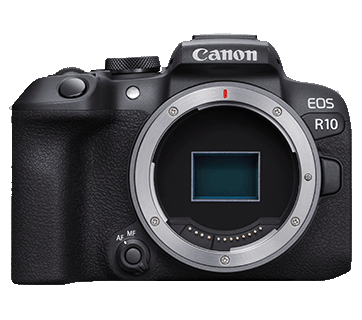
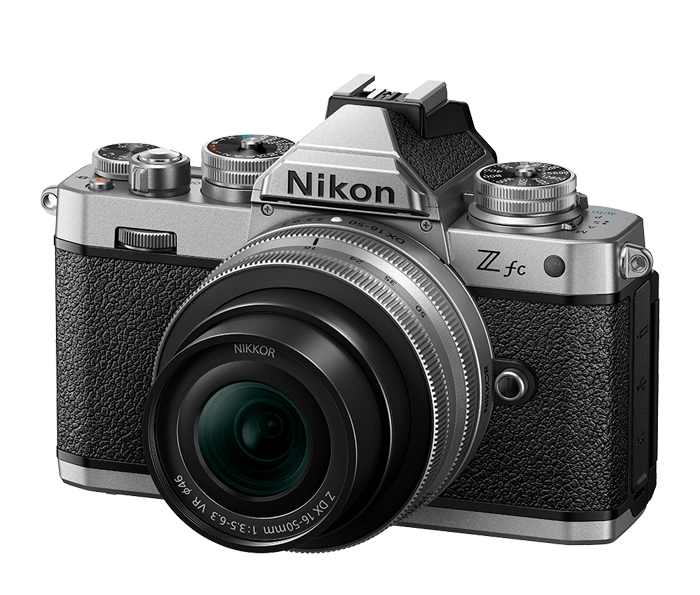
The Canon EOS R10 and Nikon Z fc are two highly regarded APS-C mirrorless cameras that appeal to beginner and enthusiast photographers alike. Both cameras offer compelling features and retro designs, making them attractive options for those who value style alongside performance. The Canon EOS R10, released in 2022, is seen as a versatile option for a wide range of shooting scenarios, while the Nikon Z fc, released in 2021, stands out for its heritage-inspired design and solid performance for both photography and video. Photographers considering these models often seek a balance between functionality, image quality, and user experience.
Specifications Comparison
Detailed Comparison
Image Quality
The Canon EOS R10 boasts a 24-megapixel APS-C sensor, which provides a higher pixel count compared to the Nikon Z fc's 21-megapixel sensor. This additional resolution can be advantageous for detailed images and larger prints. The EOS R10 also employs Canon's latest image processing technology, which contributes to enhanced dynamic range and color accuracy, especially at lower ISO settings. On the other hand, the Nikon Z fc's sensor, while slightly lower in resolution, offers an impressive ISO range that extends up to 51200 (expandable to 204800), allowing for effective low-light photography. Both cameras deliver good image quality, but the higher resolution of the R10 gives it an edge when pixel count matters. Overall, while both cameras perform admirably, the Canon EOS R10 takes the lead in this category due to its higher megapixel count and large sensor performance at its native ISO settings.
Autofocus System
Autofocus performance is crucial for capturing sharp images, especially in fast-paced situations. The Canon EOS R10 features an impressive 651 autofocus points, which allows for comprehensive coverage and fast subject tracking. This extensive AF system is particularly beneficial for action shots and wildlife photography. In contrast, the Nikon Z fc comes with 209 autofocus points, which, while adequate for many scenarios, may not perform as robustly in challenging lighting or for fast-moving subjects. Both cameras utilize hybrid autofocus technology that combines phase-detection and contrast-detection methods, but the EOS R10's superior point count enhances its capability significantly. Therefore, for photographers prioritizing autofocus performance, the Canon EOS R10 is the clear choice.
Video Capabilities
When it comes to video capabilities, both the Canon EOS R10 and Nikon Z fc support 4K video recording at up to 30 frames per second. However, the R10 has the advantage of shooting with a full-frame crop, while the Z fc uses the entire APS-C frame, potentially affecting the field of view. Additionally, the Canon camera's advanced autofocus system continues to serve photographers well during video shooting, providing smooth transitions and precise focus tracking. The Z fc, while competent in video, may lag behind in dynamic shooting scenarios due to its fewer autofocus points. For those who may intend to use video recording frequently, the R10's advantages in autofocus may prove to be the better choice.
Build & Ergonomics
The physical design and handling of a camera significantly influence the user experience. The Nikon Z fc features a retro-inspired design, appealing to users who appreciate vintage aesthetics. It is slightly heavier at 445g, but its slightly smaller profile (135 x 94 x 44mm) can feel more comfortable for extended use. Meanwhile, the Canon EOS R10 offers a more modern design with a larger grip and lighter weight of 426g (123 x 88 x 83mm), which can help reduce fatigue during long shooting sessions. Both cameras have a good layout of buttons and dials, but the Z fc's design is particularly pleasing for those looking for style without compromising ergonomics. Thus, this category may boil down to personal preference, with some favoring the modern ergonomics of the R10 while others may lean toward the nostalgic look and feel of the Z fc.
Battery & Storage
Battery life is a crucial factor for photographers, especially those planning to shoot extensively without frequent recharging. The Canon EOS R10 excels in this area, offering a battery life of approximately 450 shots, compared to the Nikon Z fc's 300 shots. This difference can significantly impact long shooting sessions, making the R10 a more reliable choice for travel or event photography where charging options may be limited. In terms of storage, both cameras support similar SD card formats; however, the R10's higher battery endurance allows photographers greater peace of mind to focus on capturing images rather than worrying about power management. For those who prioritize endurance and storage capabilities, the Canon EOS R10 is preferable.
Value for Money
When looking at price points, the Canon EOS R10 retails at approximately $979, while the Nikon Z fc is slightly less expensive at around $959. While the price difference is minimal, the additional features of the R10, such as better autofocus performance, higher resolution, and improved battery life, may justify the cost for users looking for more capability. Conversely, the Z fc offers a unique aesthetic and performance that can be quite appealing for users who prioritize aesthetics and don't require the highest pixel count or autofocus performance. Ultimately, the choice for value depends on the user's priorities-those needing advanced features should lean toward the R10, while those drawn to design and a favorable price may choose the Z fc.
Our Verdict
Overall, the Canon EOS R10 emerges as the more versatile and capable camera in this comparison, thanks to its superior image quality, autofocus performance, and battery life. It is particularly suitable for photographers who prioritize action shots, low-light performance, and video capabilities. While the Nikon Z fc offers a fantastic shooting experience with its retro design and quality images, it falls short in areas where the R10 shines. Buyers looking for exceptional performance and modern features will find the EOS R10 to be the better choice, whereas those who value aesthetics and a slightly lower price might prefer the Z fc.
Canon EOS R10
Nikon Z fc
Also Compare
Frequently Asked Questions
Which camera has better low-light performance?
The Canon EOS R10 has a lower native ISO range but outperforms the Nikon Z fc at lower ISO settings. However, the Z fc can expand to higher ISOs, which may benefit extreme low-light conditions, albeit with increased noise.
Is the Canon EOS R10 good for beginners?
Absolutely! The Canon EOS R10 features user-friendly controls and automatic modes, making it an excellent choice for beginners who want to learn photography while benefiting from advanced features.
Can both cameras shoot in RAW format?
Yes, both the Canon EOS R10 and the Nikon Z fc support RAW image formats, allowing photographers greater flexibility in post-processing.
Which camera is more portable?
The Canon EOS R10 is slightly lighter and more compact, making it a more portable option for travel or street photography.
Are lenses for both systems readily available?
Yes, both Canon RF and Nikon Z mounts have a growing selection of lenses. However, the Canon RF system is expanding rapidly with new options catering to various photography styles.