Shopping for the best cameras under $3,000 opens up a world of choice, from enthusiast mirrorless bodies to innovative compacts and powerful APS-C options. At this price bracket, buyers can expect excellent imaging performance, advanced autofocus, robust video features, and comprehensive ergonomics suitable for amateurs, hobbyists, and even professionals. Both full-frame and APS-C cameras are represented, catering to landscape, portrait, sports, street, travel, and hybrid photo/video creators. When ranking cameras in this competitive segment, we evaluated critical factors including sensor size and image quality, autofocus and speed, build quality, video capabilities, feature set, and overall usability. We considered how each body fits typical use cases and weighed system longevity (such as lens ecosystems) alongside innovation and value. The following ranking reflects a balance of real-world shooting experience, versatility, and future-proofing for each camera's intended audience.
Why Trust This List
Our rankings are based on aggregated opinions from real photographers across Reddit communities, combined with detailed specification analysis. We do not accept payment for placement or use affiliate links that influence rankings.
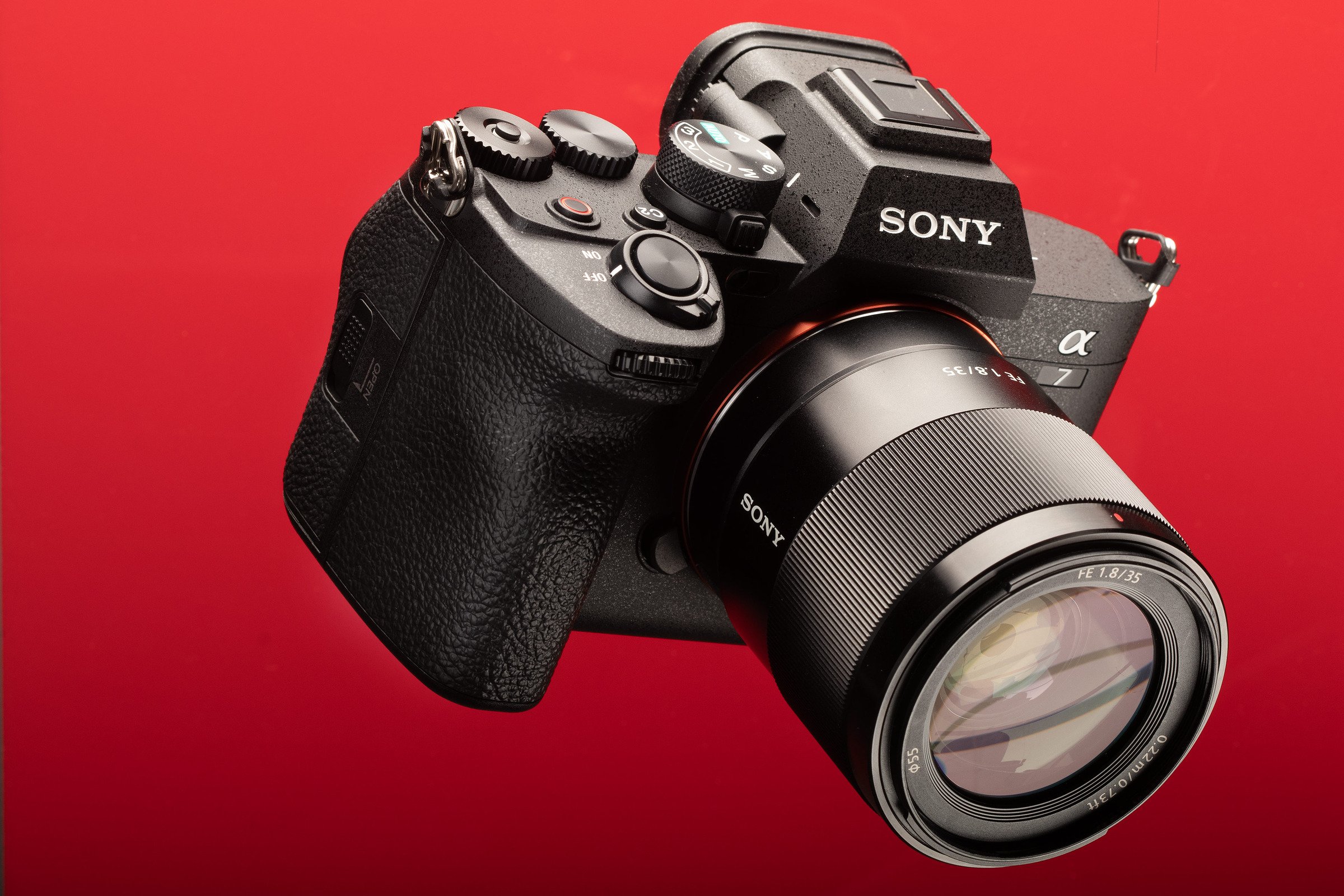
Sony A7 IV
The Sony A7 IV stands as the top pick in this category owing to its outstanding blend of image quality, hybrid autofocus performance, and professional-grade video features - all at an accessible price point. Its 33MP full-frame sensor delivers exceptional detail, strong dynamic range, and good high-ISO performance, making it extremely versatile across genres from portraiture and landscapes to events. The A7 IV represents the sweet spot between the entry-level enthusiast and the working professional. Its advanced autofocus system ensures reliable tracking of people, animals, and moving subjects, while the deep lens ecosystem offers unmatched flexibility. 4K 60p video with robust codecs, a vari-angle touchscreen, and improved menu design give serious hybrid creators the tools they need. The A7 IV's overall package punches well above its price, making it the most future-proof and well-rounded choice for most photographers and videographers.
Pros
- Superb 33MP full-frame image quality
- Class-leading Real-time autofocus for stills and video
- Versatile 4K video up to 60p with 10-bit 4:2:2 output
- Deep Sony E-mount lens selection
- Robust build and improved ergonomics
Cons
- More expensive than APS-C alternatives
- Buffer depth could be better for burst shooting
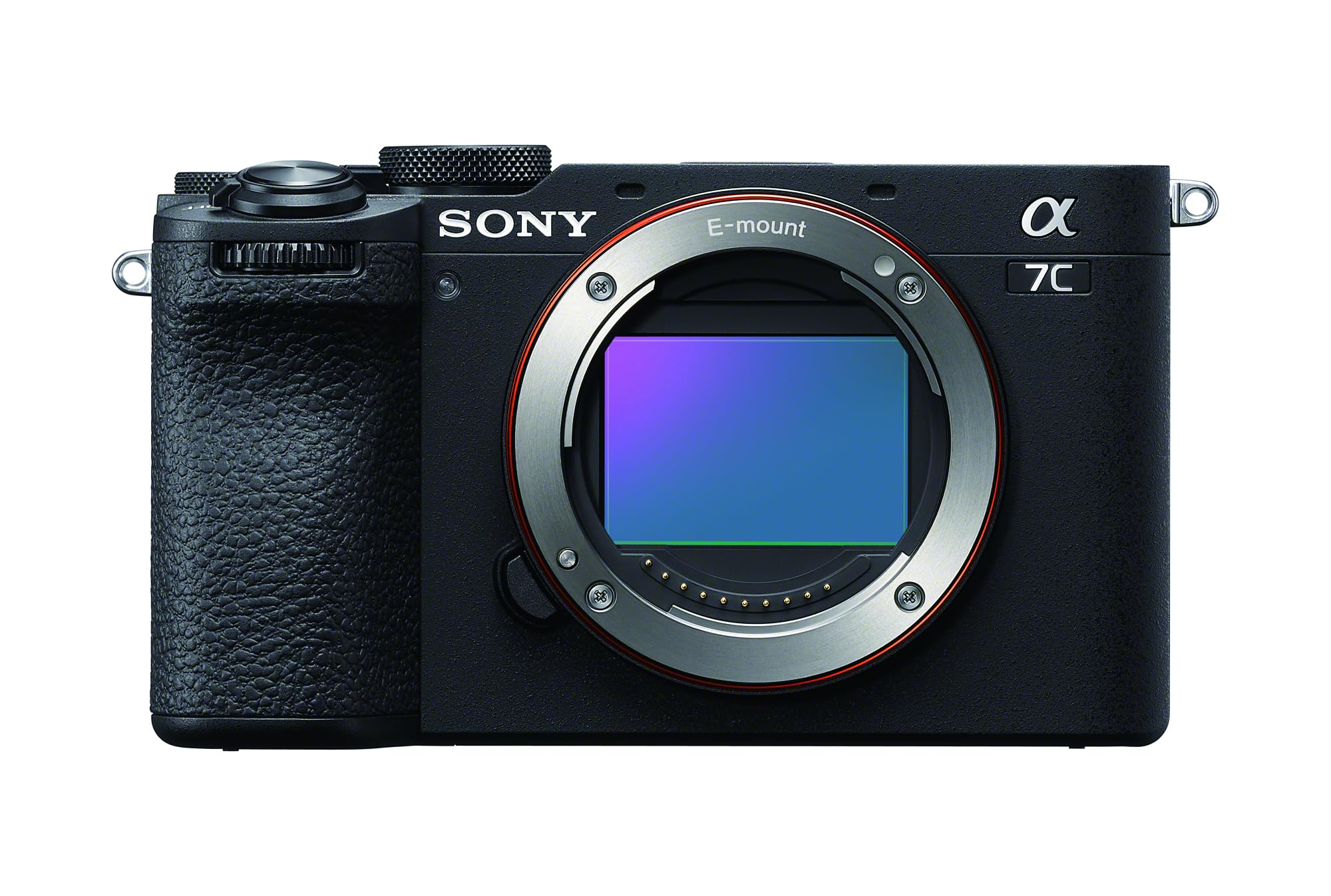
Sony A7C II
The Sony A7C II offers a potent combination of full-frame performance in a remarkably compact and lightweight body, making it perfect for travel, street, and everyday shooters who refuse to compromise on image quality. Featuring the latest 33MP sensor and steadfast autofocus borrowed from higher-end Sony models, the A7C II packs pro-level imaging and video features into an impressively portable package. Where it stands out is for users who prioritize carrying a full-frame camera everywhere. It's highly discreet, offers superb battery life, and is an excellent option for hybrid shooters wanting advanced video (4K 60p, 10-bit) in a small form factor. For creators constantly on the move or working with limited space, the A7C II is a compelling choice.
Pros
- High-resolution 33MP full-frame sensor in a compact body
- Impressive hybrid AF and tracking
- Strong video specs (4K/60p, 10-bit)
- Fully articulated touchscreen
- Excellent battery life
Cons
- Simpler EVF compared to A7 IV
- Single card slot limits redundancy
Fujifilm X-H2S
The Fujifilm X-H2S is the premier APS-C flagship, uniquely suited for action photography, sports, and video-heavy creators. Its 26MP stacked sensor unlocks blistering burst rates (up to 40fps with electronic shutter) and virtually eliminates rolling shutter in both stills and video. Class-leading autofocus and robust, professional-grade build mirror the best full-frame models - but at a lighter weight and a more reasonable price. If you want a pro-level hybrid camera for wildlife, sports, or documentary work and value compact kits, the X-H2S excels. It also features deep video credentials, including open-gate 6.2K capture, 4K/120p, ProRes codecs, and advanced heat management, making it a go-to for serious filmmakers seeking APS-C advantages.
Pros
- Super-fast stacked sensor with 40fps burst rates
- Excellent subject-detection autofocus
- Stabilized body with pro build quality
- Strong internal 4K/120p and 6.2K video features
- Deep lens selection in the Fuji X-mount system
Cons
- Premium priced for APS-C
- Menus and deep video settings can be complex
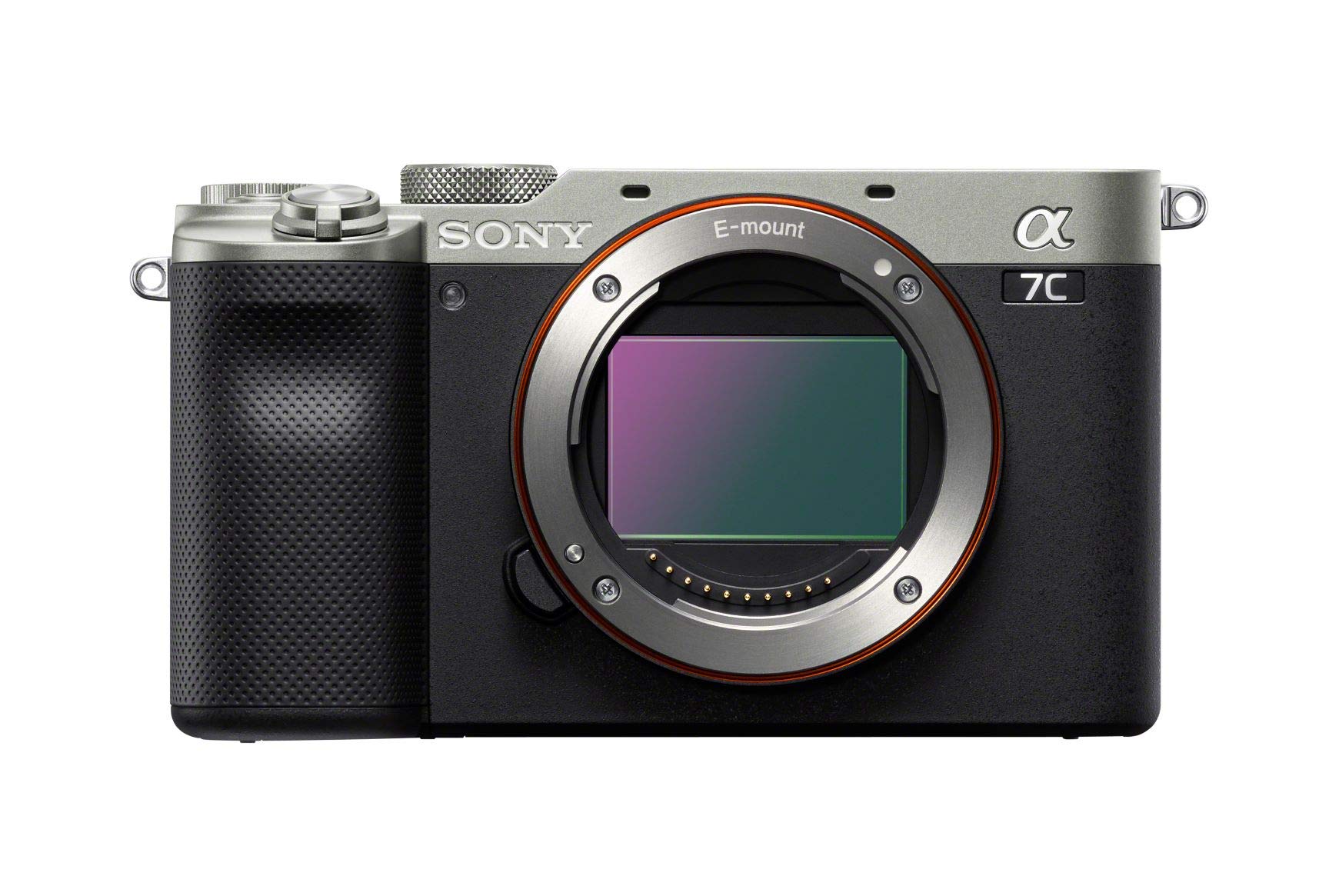
Sony A7C
For those seeking full-frame image quality in a minimalist body, the original Sony A7C still has much to offer. Packing the proven 24MP sensor, excellent autofocus, and dependable video options into an ultra-compact, lightweight shell, this model is ideal for travel and street shooters looking for power without the bulk of a traditional DSLR. The A7C is a compelling entry into the full-frame ecosystem for creators on the go, social media content producers, or those wanting a 'second' camera with great quality. While newer models surpass it in resolution and features, its balance of portability and performance keeps it a strong performer at its price.
Pros
- Full-frame image quality in a compact body
- Reliable eye/face AF and real-time tracking
- Good battery life
- Articulating touchscreen
- Lightweight and highly portable
Cons
- Lower-resolution EVF
- Single card slot
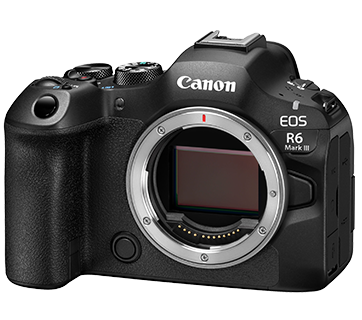
Canon EOS R6 Mark III
Canon's EOS R6 Mark III builds on the success of its predecessors with refinements in sensor, autofocus, and video capabilities. It provides impressive full-frame 24MP quality, exceptional Canon color science, and robust in-body image stabilization, making it an excellent all-rounder for sports, weddings, and hybrid shooters alike. Its AF and overall usability in both photo and video modes are standouts, as is Canon's growing RF lens ecosystem. For those who want a true jack-of-all-trades at a great value, the R6 Mark III is a smart, future-proof investment, particularly for those already invested in Canon.
Pros
- Proven full-frame sensor with excellent dynamic range
- Dual card slots for reliability
- Effective in-body stabilization
- Fast and accurate Canon Dual Pixel AF
- Strong low-light performance
Cons
- RF system lenses are expensive
- No top LCD display

Sony ZV-E1
The Sony ZV-E1 is aimed squarely at vloggers, run-and-gun filmmakers, and content creators who want the most cinematic video quality from a compact full-frame body. With its 12MP sensor borrowed from the A7S III, it delivers breathtaking low-light, 4K imagery (up to 120p), industry-leading stabilization options, and impressive autofocus versatility. Its specialized feature set - including creative vlog modes, advanced audio, and touch-driven interface - is designed for users who prioritize video over stills. Stills photographers will find its resolution limiting, but as a dedicated vlogging or YouTube camera, there's nothing quite like it for the price.
Pros
- Exceptional 4K video up to 120p, 10-bit 4:2:2
- Full-frame sensor for cinematic depth of field
- Outstanding subject-tracking AF
- Industry-leading on-board stabilization and vlogging features
Cons
- 12MP resolution limits stills use
- Rolling shutter in some video modes

Fujifilm X100VI
The Fujifilm X100VI brings the beloved X100 fixed-lens experience up to date with a fantastic 40MP APS-C sensor and in-body stabilization. It's a street, travel, or documentary photographer's dream: discreet, tactile, and yielding beautiful JPEG color straight out of camera. The new sensor adds even more cropping flexibility and post-processing latitude, while improved autofocus enhances responsiveness for on-the-fly shooting. Though it's limited by its fixed 23mm f/2 lens (35mm-equivalent), those who buy it know what they want: a soulful, carry-everywhere camera for capturing life as it happens. If you love the concept, there's nothing else quite like it.
Pros
- Beautiful 40MP sensor with strong dynamic range
- Iconic design and tactile controls
- Compact, discreet, and perfect for street/documentary
- In-body stabilization
Cons
- Fixed lens limits flexibility
- No interchangeable lenses
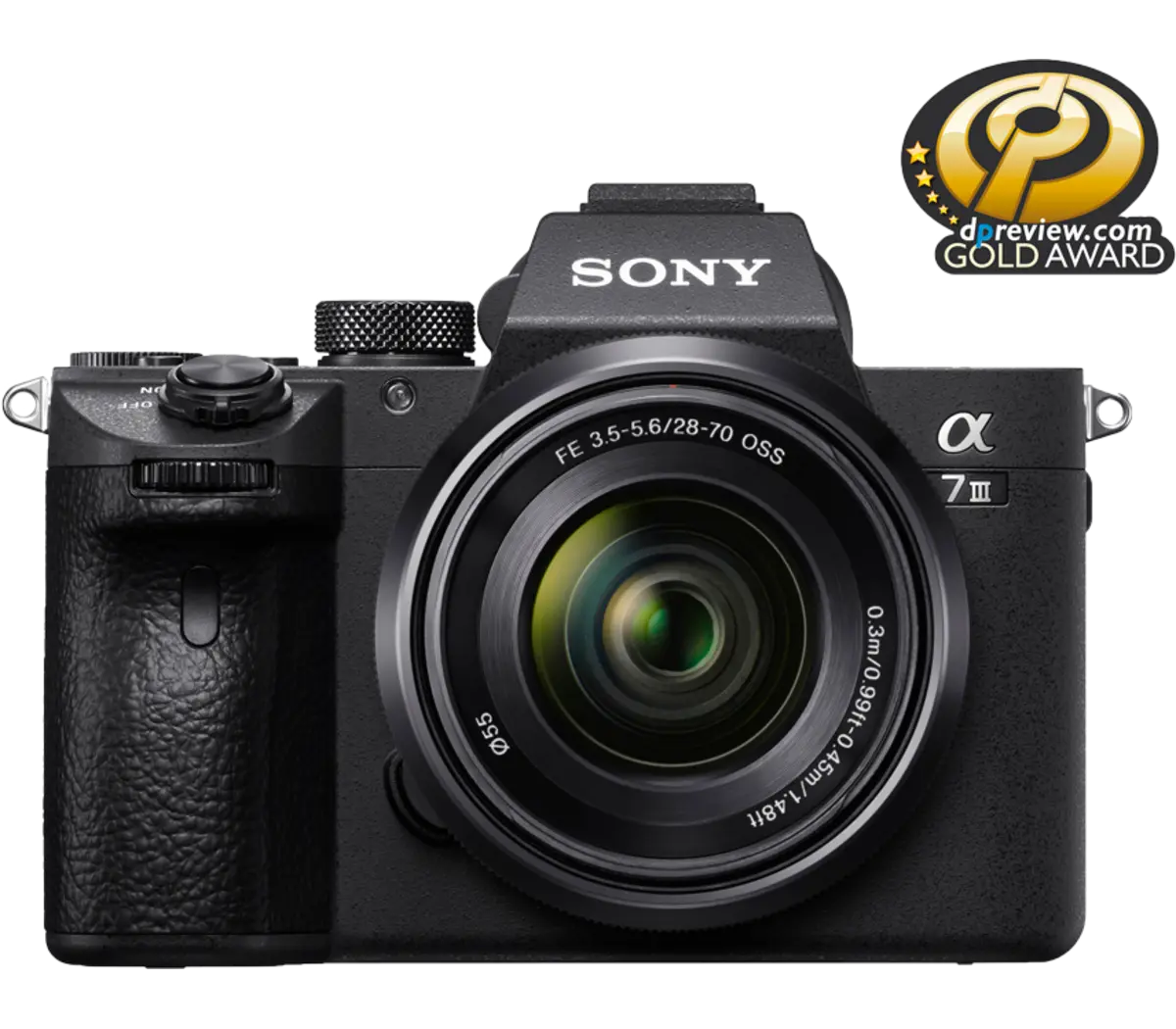
Sony A7 III
The Sony A7 III remains an influential camera in the full-frame mirrorless world, offering robust performance in a reliable and affordable package. Its combination of 24MP sensor, fast 10fps burst, and dependable autofocus made it the choice for professionals and enthusiasts for years, and it still holds up well for general purpose photography and video. Though surpassed by newer generations in features and ergonomics, those on a tighter budget or starting out in full-frame will find the A7 III a compelling entry into a mature and expansive system.
Pros
- Excellent full-frame image quality
- Good all-round performance and speed
- Long battery life
- Wide selection of compatible lenses
- Solid build quality
Cons
- Outdated menus and interface
- Low-resolution EVF/LCD compared to newer models
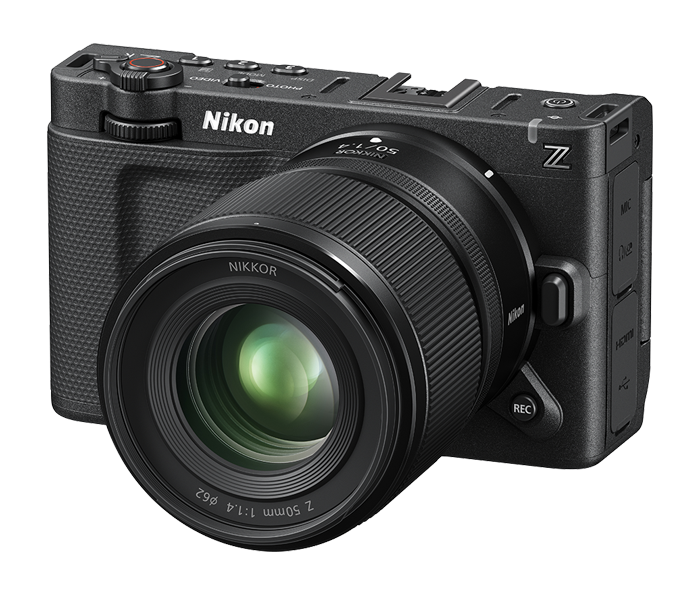
Nikon ZR
The Nikon ZR is Nikon's next-gen full-frame mirrorless aimed at enthusiasts and advanced users seeking superb image quality and reliable handling. Featuring strong autofocus and in-camera stabilization, the ZR also benefits from Nikon's expanded Z-mount lens range. Although recent to the market, it offers a refined shooting experience and good value in its price class. It's an ideal choice for landscape, portrait, and travel photographers who appreciate Nikon's color and ergonomics. However, the Z system's relative youth compared to Sony or Canon still means less third-party lens options for now.
Pros
- Strong full-frame sensor performance
- In-body image stabilization
- Superb Nikon color rendering
- Comfortable grip and controls
Cons
- Lens selection still maturing
- Video features lag some competitors
Canon EOS R6 Mark III
Though it's a formidable full-frame performer, in this crowded field the EOS R6 Mark III ranks just out of top 10 due to incremental updates and competitive pressure from Sony and Fujifilm. It's best suited for Canon system users wanting reliable hybrid performance at a reasonable price point.
Pros
- Fast and accurate AF
- Canon color science
- In-body stabilization
Cons
- Slightly lower resolution than top Sony rivals
- RF lens prices are high
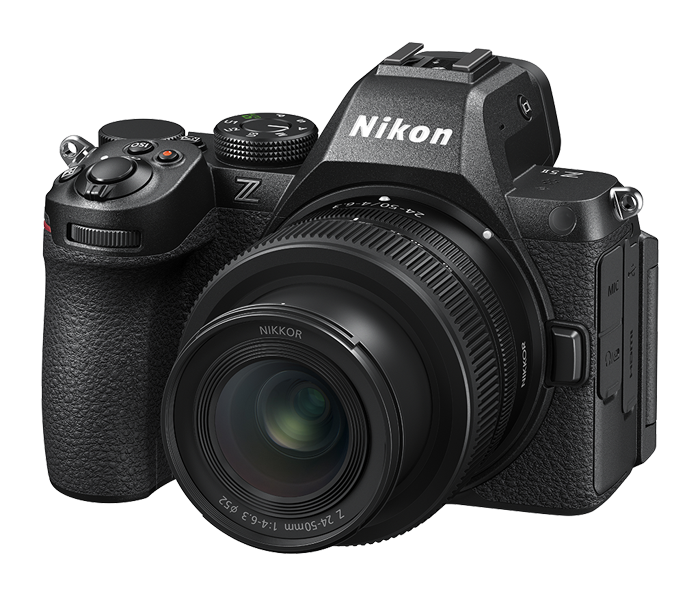
Nikon Z5II
The Nikon Z5II is an affordable full-frame option for those wanting Nikon's color and handling without breaking the bank. Aimed at advanced amateurs and enthusiasts, it offers steady image quality, good stabilization, and dual SD card slots but lacks some of the speed and video features of pricier models. It's ideal for travel, landscape, or portrait shooters already invested in the Nikon ecosystem.
Pros
- Solid full-frame image quality
- User-friendly controls and grip
- Dual card slots for reliability
Cons
- Slower burst rate
- Basic video specs
Sony A6600
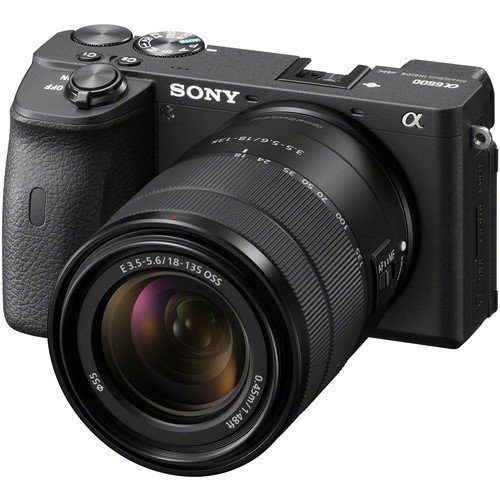
Among Sony's APS-C offerings, the A6600 stands out for its in-body image stabilization, longer battery life, and top-tier autofocus. It's well suited for travel, vlogging, and enthusiasts looking for reliable video/stills hybrid performance in a small body. However, its price and aging design make it less compelling compared to newer competitors, especially the X-H2S.
Pros
- Effective in-body stabilization for APS-C
- Excellent AF with Real-Time Tracking
- Long battery life
- Compact weather-sealed body
Cons
- Dated LCD/EVF and menu
- Higher price than A6400/A6100
Canon EOS R50 V
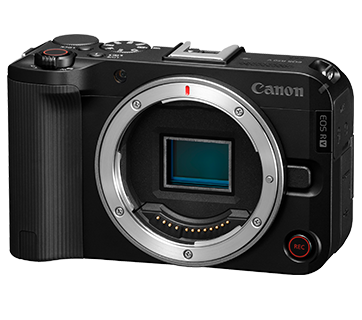
The Canon EOS R50 V is a recent, highly compact APS-C camera designed for vlogging and entry-level users entering the RF ecosystem. It offers user-friendly controls, good autofocus, and decent image quality at an affordable price. It's great for content creators, vloggers, and beginners moving up from smartphones. Its main limitations are the lack of advanced manual controls, limited burst rate, and less robust build, positioning it below higher-tier APS-C and full-frame cameras.
Pros
- Small, lightweight design
- Good AF and tracking for its class
- Intuitive controls for beginners
- Affordable entry to RF system
Cons
- No IBIS
- Basic video specs compared to more advanced models
Sony A6400
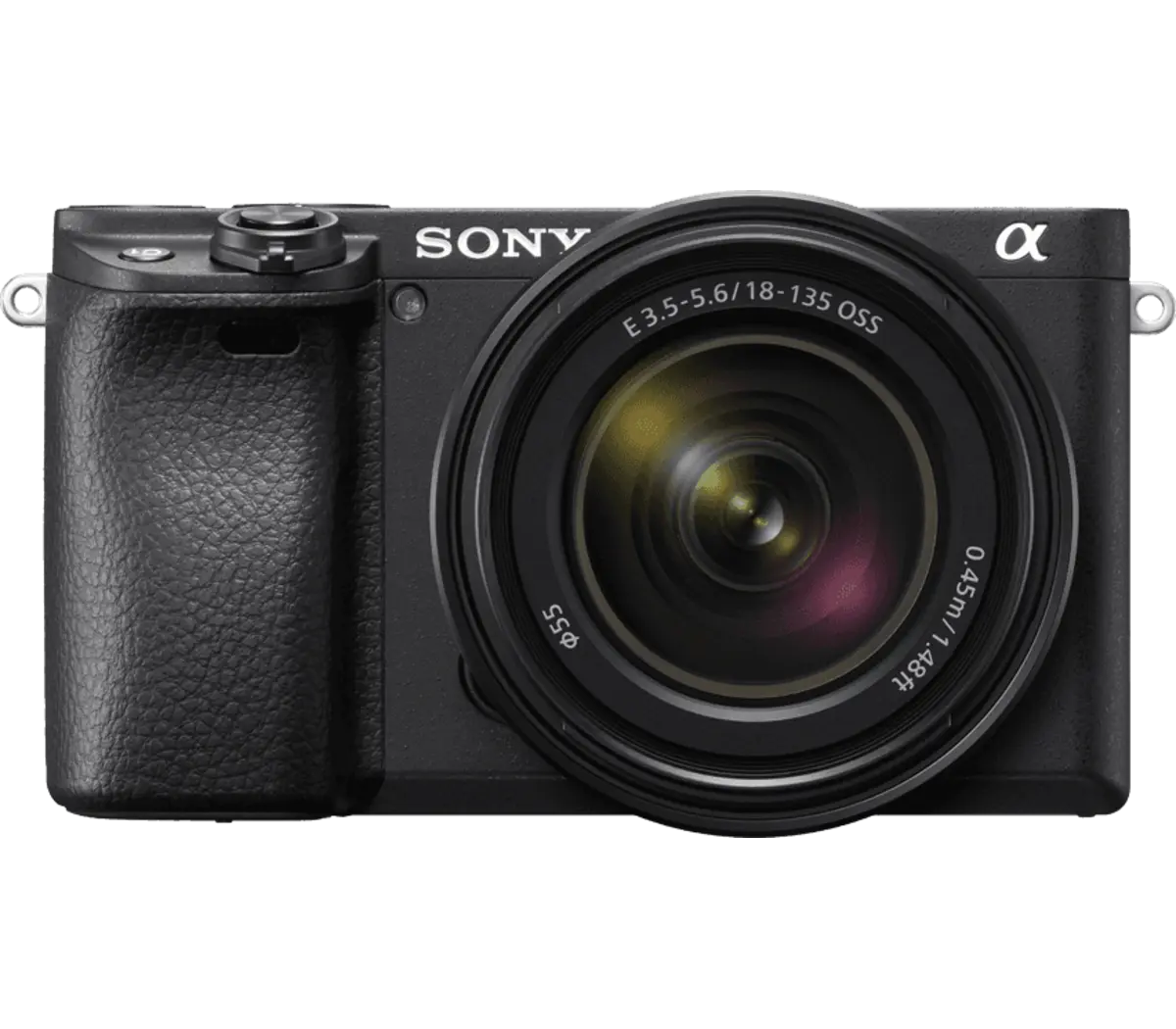
A popular mid-range APS-C camera, the Sony A6400 delivers excellent autofocus, good image quality, and strong video features for its price. It's a capable option for travel, family, and casual vlogging, but its lack of in-body stabilization and less ergonomic body hold it back versus competitors. Still, it's a solid choice for budding hybrid shooters on a budget.
Pros
- Superb autofocus for photos and video
- Compact design
- Good 4K video with no recording limit
- Flip-up touchscreen
Cons
- No IBIS
- Ergonomics can be cramped for some
Sony A6100
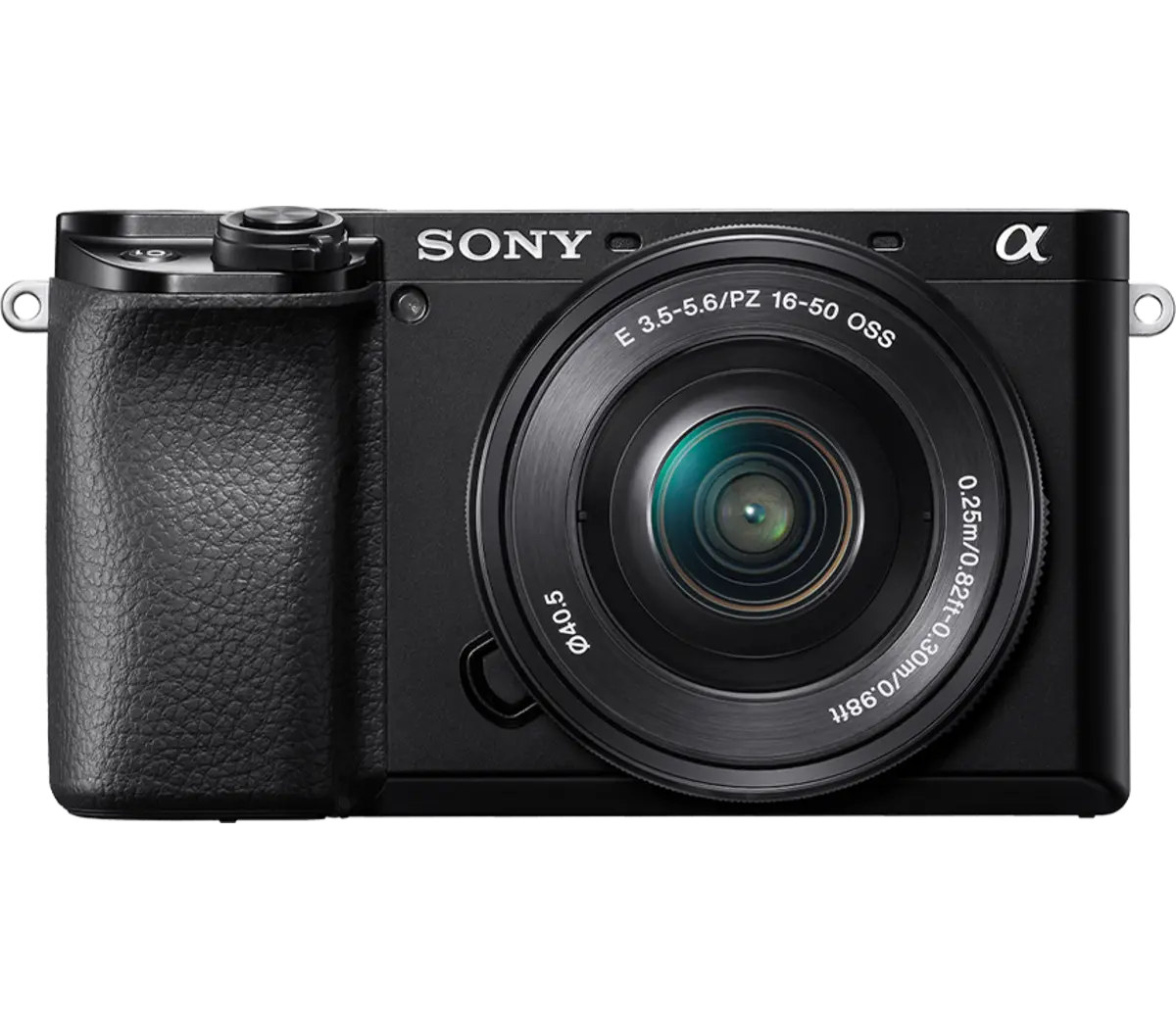
The Sony A6100 makes advanced autofocus and solid image quality accessible to newcomers and budget-oriented enthusiasts. While it lacks premium video features and in-body stabilization, it's great for everyday photography and travel, especially for those wanting their first interchangeable lens camera. Its straightforward interface makes it a friendly entry into the world of advanced mirrorless shooting.
Pros
- Very fast autofocus with real-time tracking
- Affordable for an APS-C model
- Picture quality is strong for its class
- Compact form factor
Cons
- No in-body stabilization
- Basic build and controls
Sony ZV-E10
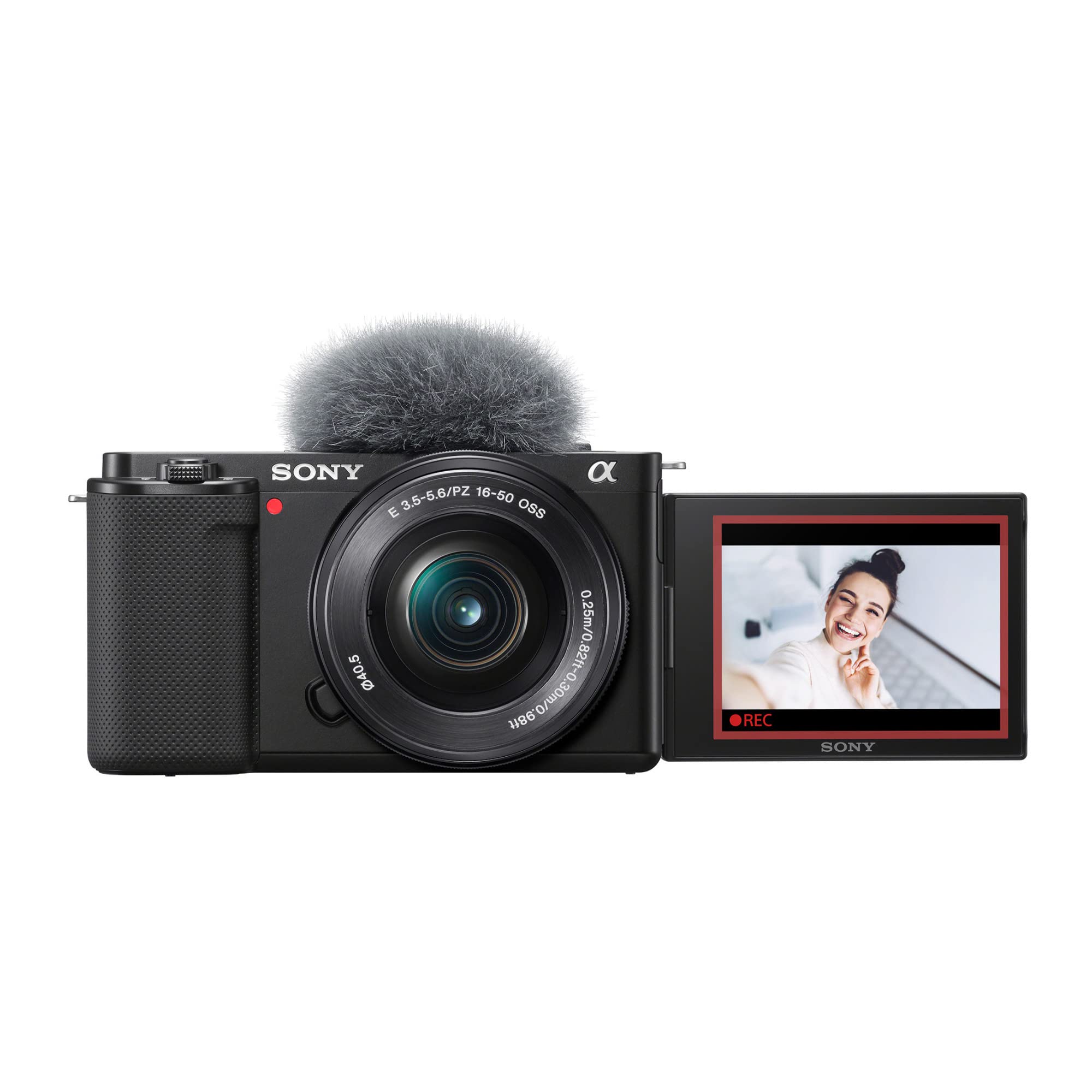
The Sony ZV-E10 is built from the ground up for vloggers and content creators looking for interchangeable lenses on a budget. Its flip-out screen, good autofocus, and user-friendly design make it great for rapid, on-the-go creation. However, lack of IBIS and more basic stills functionality place it behind higher-up hybrid models. It's the perfect pick for those getting started with YouTube or social media content, but less suited for those who lean into photography or more advanced use cases.
Pros
- Tailored for vlogging (directional mic, flip screen)
- Great autofocus for video
- Lightweight and affordable
- Interchangeable lenses for flexibility
Cons
- No IBIS
- Limited stills-focused features
Panasonic ZS99
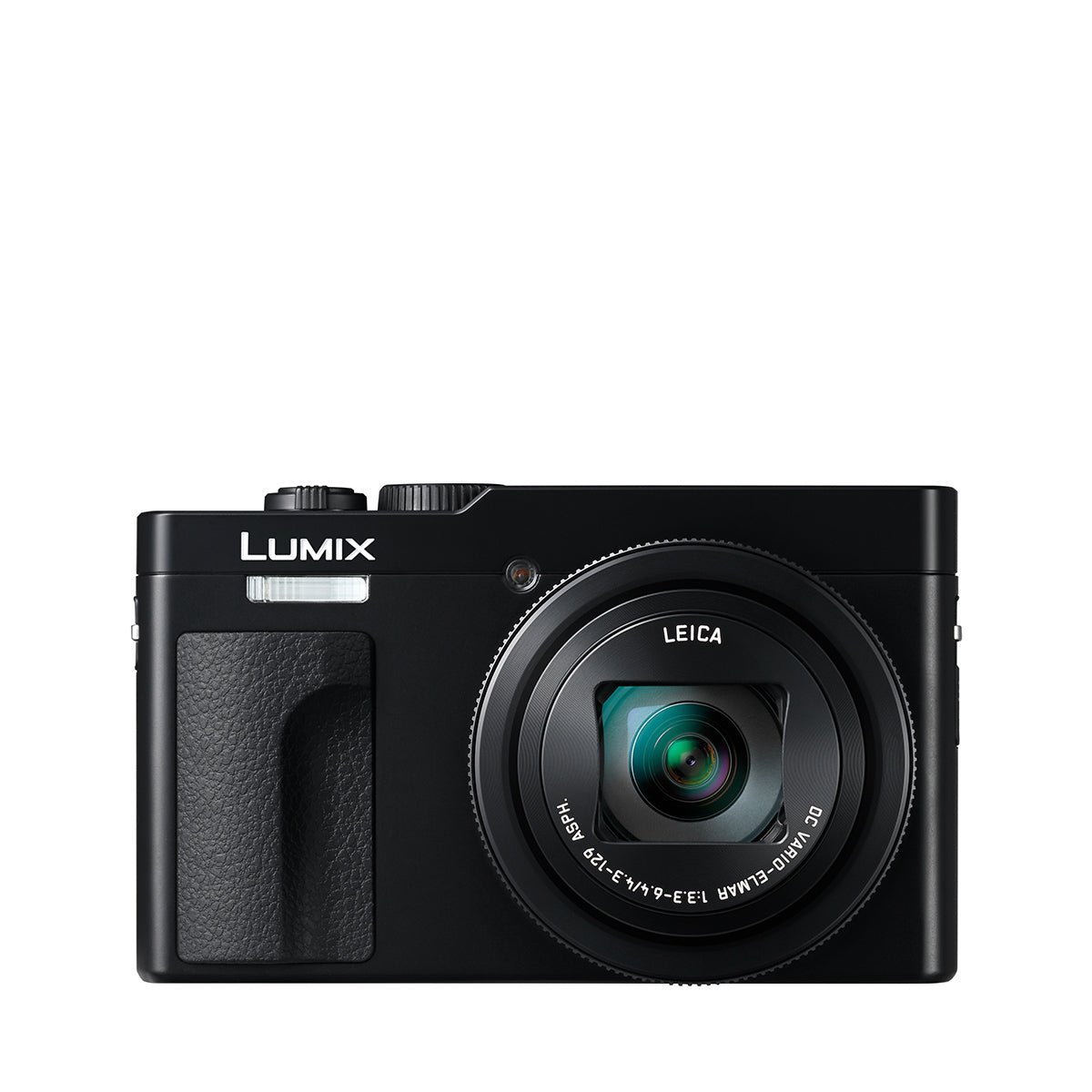
The Panasonic ZS99 is a versatile compact travel zoom camera, packing a 1-inch sensor and a powerful built-in zoom into a pocketable form. This makes it perfect for travelers or family photographers wanting convenience and reach in a single package. Image and video quality are good for its class, but limitations from its small sensor, low-light performance, and lack of interchangeable lenses leave it short of the demands of enthusiasts or professionals. For pure convenience, however, it shines.
Pros
- Huge zoom range in pocketable body
- Solid autofocus and burst rates
- Good 4K video for a compact
- User-friendly controls
Cons
- Limited low-light capability
- No interchangeable lenses
You Might Also Like
Frequently Asked Questions
Is full-frame always better than APS-C under $3,000?
Not necessarily. While full-frame sensors capture more light and generally offer better low-light performance and depth of field control, APS-C cameras can provide faster burst rates, more reach for wildlife or sports, and are often lighter and more affordable. The right choice depends on your subject matter, preferred lenses, and portability needs.
What features matter most for hybrid shooters (photo and video)?
For hybrid shooters, look for advanced autofocus (especially eye/face detection for both stills and video), 4K video with high bit-depth (10-bit 4:2:2), good in-body stabilization, headphone/mic ports, and a vari-angle touchscreen. Models like the Sony A7 IV and Fujifilm X-H2S deliver outstanding all-around capabilities.
How important is in-body image stabilization (IBIS)?
IBIS is extremely valuable when shooting handheld, especially in low-light or while recording video. It enables sharper images at lower shutter speeds and smoother footage. While not critical if you work mostly with a tripod or stabilized lenses, it's a huge advantage for run-and-gun or event shooters.
How does lens ecosystem affect camera choice under $3,000?
A strong lens ecosystem gives you more creative options and system longevity. Sony's E-mount offers the broadest selection and third-party support, making it a safe, future-proof investment. Canon RF and Nikon Z are growing, but may have higher lens costs or fewer affordable options - consider your long-term lens needs before committing.
Do I need high resolution (40MP or higher) for my photography?
High resolution sensors (like 40MP or 61MP) are best suited for landscape, studio, and commercial photographers who need large prints or heavy cropping. For most shooters doing web, social, or moderate print work, 24-33MP is more than enough and offers better low-light performance and manageable file sizes.
Should I buy a flagship APS-C or entry-level full-frame camera?
Flagship APS-C cameras like the Fujifilm X-H2S offer top-tier autofocus, high burst rates, and deep video features at lower cost and weight than entry full-frame. If you prioritize action, portability, or advanced video, high-end APS-C is a smart choice. Full-frame is preferable if you want ultimate low-light, dynamic range, and depth of field control.