Sony has firmly established itself as a leader in the world of digital cameras, providing a vast lineup that covers everything from professional full-frame bodies to compact vlogging models. Whether you are a seasoned photographer, videographer, passionate hobbyist, or content creator, there is a Sony camera designed to fit nearly every use case and budget. Their cameras are known for pioneering autofocus technology, advanced sensor performance, and often lead the market in video capabilities. Key factors to consider when shopping for a Sony camera include sensor size (full-frame vs APS-C vs compact), autofocus reliability, image stabilization, low-light performance, and video features. Those prioritizing portability or on-the-go shooting may prefer Sony's compact or APS-C lines, while professionals seeking the ultimate quality and speed will gravitate toward flagship full-frame bodies. Our rankings were determined by weighing each camera's performance, versatility, feature set, value, and unique appeal to different user segments, ensuring a well-rounded list that reflects both current technology trends and real-world needs.
Why Trust This List
Our rankings are based on aggregated opinions from real photographers across Reddit communities, combined with detailed specification analysis. We do not accept payment for placement or use affiliate links that influence rankings.
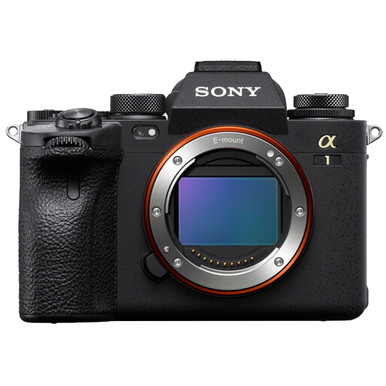
Sony A1
The Sony A1 stands unchallenged as the absolute flagship in the Sony ecosystem, and indeed among all hybrid cameras on the market. It brings together an extraordinary 50MP full-frame sensor, jaw-dropping 30fps burst shooting, 8K video, and unmatched autofocus performance. No other Sony body delivers this level of all-around capability for both stills and high-end video. The A1 earned the top spot not just for its specifications, but for how seamlessly it allows demanding professionals to move between sports, wildlife, high-res studio work, and cinema-quality video-all in a single body. This is the camera for those who need the very best and accept no compromises, though it comes at a substantial investment. Best for: Pro photographers, high-end videographers, sports and wildlife shooters, those who want the ultimate Sony mirrorless camera.
Pros
- Unmatched versatility and performance in both photo and video
- Fast 30fps continuous shooting with full AF/AE
- 50MP sensor with industry-leading image quality
- 8K and 4K120p video with superb color and bitrate options
- Extremely advanced autofocus and subject tracking
Cons
- Very expensive compared to other models
- Overkill for casual or enthusiast users
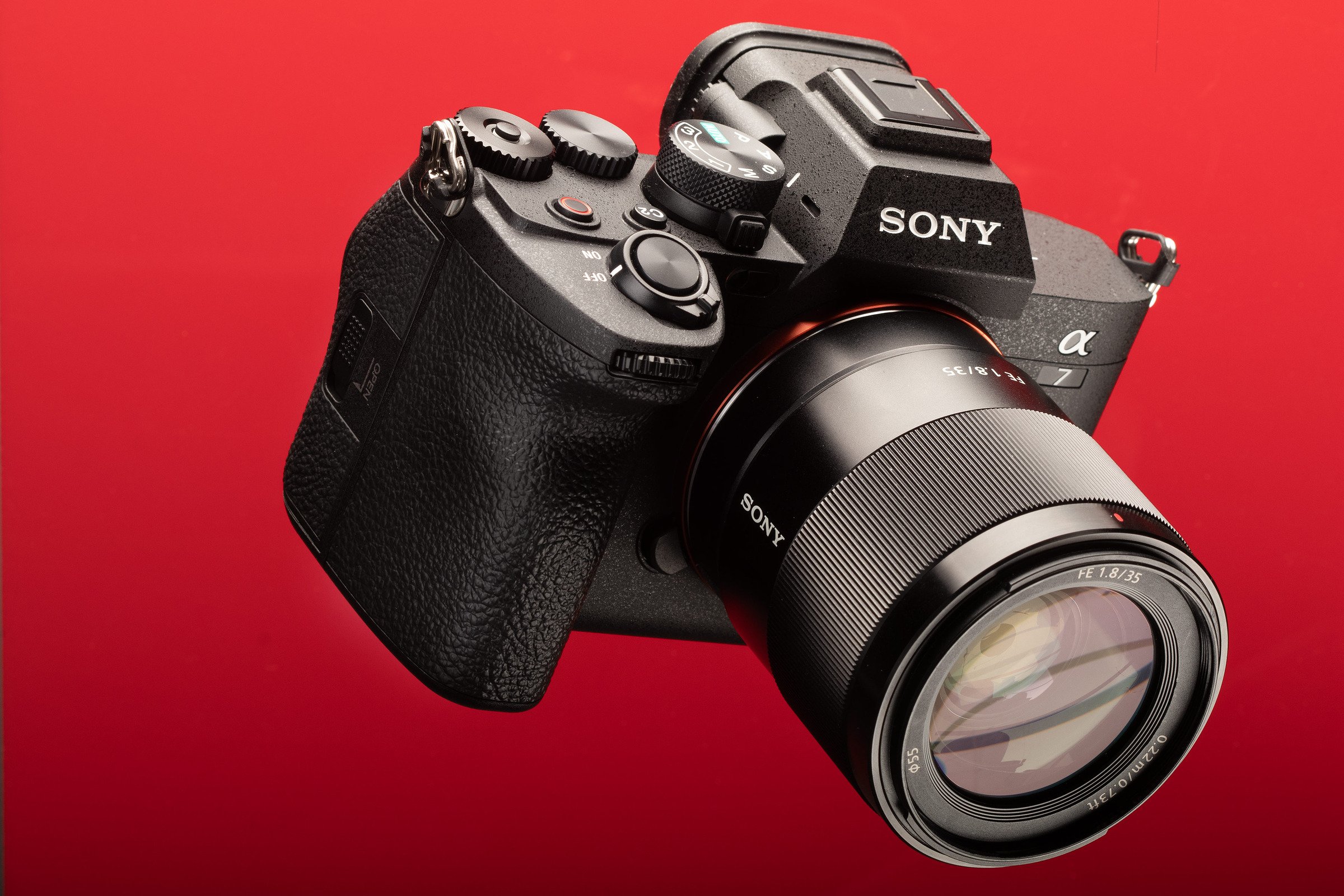
Sony A7 IV
The Sony A7 IV represents the sweet spot for most full-frame hybrid shooters. It improves upon the extremely popular A7 III by adding a higher-resolution 33MP sensor, more advanced video options, and the latest autofocus technologies. For enthusiasts, semi-pro shooters, and even professionals on a budget, the A7 IV delivers exceptional image and video quality without the premium of the A1 or A7R V. We ranked the A7 IV second because it blends excellent features at a sensible price, making it a smart choice for users seeking both quality and versatility. Its ergonomics, battery life, and lens compatibility further cement its position as the go-to all-round full-frame mirrorless for most shooters. Best for: All-purpose photographers, hybrid creators, events, weddings, and travel.
Pros
- Excellent 33MP full-frame sensor for high detail and good low-light
- Fast and reliable autofocus for both stills and video
- Capable 4K60 video with advanced color
- Solid ergonomics and battery life
- Great lens ecosystem with Sony E mount
Cons
- Video crop in 4K60 mode
- Not as fast as A1 or A9 III for action

Sony A6700
For those looking for the best APS-C camera in Sony's lineup, the A6700 is the clear champion. Released in 2023, it brings many technologies from Sony's full-frame lineup-such as advanced autofocus with AI subject detection, high-speed burst shooting, and impressive 4K120 video-to a compact, travel-friendly package. The A6700 is especially appealing to hybrid creators who want a smaller form factor without substantially sacrificing performance. We placed the A6700 third due to its unrivaled APS-C performance and feature set, which make it ideal for enthusiasts, vloggers, and anyone seeking a balance of power and portability. It is the best choice for those who want a versatile, lightweight Sony for travel or daily use without stepping up to full-frame. Best for: Travel and street photographers, hybrid shooters, advanced enthusiasts, video creators on a budget.
Pros
- Class-leading autofocus with real-time tracking and AI
- 4K120 and 10-bit video capabilities
- Lightweight, portable body
- Impressive battery life for class
- Wide E-mount lens support
Cons
- APS-C sensor not as strong in low light as full-frame
- No in-camera RAW video output

Sony ZV-E1
The Sony ZV-E1 is purpose-built for solo content creators and vloggers who want full-frame quality in the smallest possible package. It shares the sensor from the acclaimed A7S III, giving it phenomenal low-light video performance, and packs advanced stabilization and AI-based features for effortless self-shooting. Unique auto-framing, real-time subject tracking, and background defocus modes make it supremely user-friendly for one-person video production. Among Sony's full-frame lineup, the ZV-E1 stands out for video-first creators who value portability and high-quality footage over sheer photographic flexibility. It outshines compact rivals for serious video work and is the best Sony camera for vlogging and YouTube production. Best for: Vloggers, YouTubers, content creators, filmmakers, run-and-gun shooters.
Pros
- Full-frame sensor with exceptional low-light and dynamic range
- Compact, lightweight design with user-friendly controls
- Outstanding video autofocus and AI-powered tracking
- Advanced stabilization for smooth handheld video
- Many creator-focused features (auto-framing, bokeh switch)
Cons
- Not ideal for high-resolution stills
- Limited physical controls and smaller viewfinder
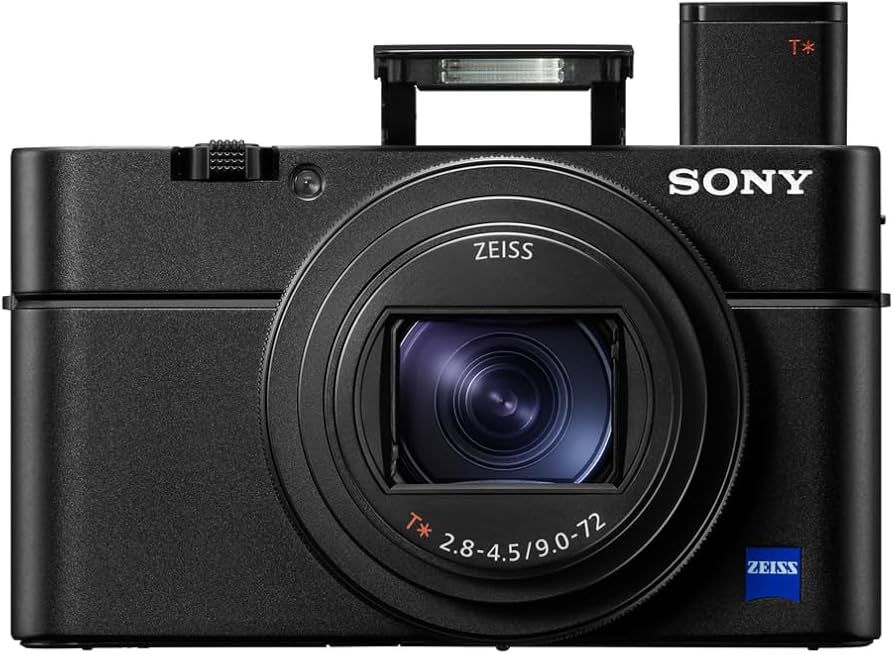
Sony RX100 VII
Sony's RX100 VII is the ultimate pocket-sized camera and is the top choice for those seeking advanced imaging capabilities without the weight or complexity of interchangeable-lens bodies. With a 1-inch sensor, 24-200mm equivalent zoom, lightning-fast autofocus, and excellent video features, the RX100 VII is perfect for travel, everyday documentation, and discreet street shooting. While it cannot compete with the image quality or versatility of the A7 and A6x00 series, the RX100 VII is unbeatable for its size and convenience. It is an excellent backup camera for professionals and a primary camera for those who value portability above all else. Best for: Travelers, everyday carry, casual shooters, family events, and vloggers who need ultimate portability.
Pros
- Best-in-class image quality for a compact camera
- 24-200mm zoom lens covers most shooting needs
- Blazing fast autofocus and burst speed
- Good 4K video and mic input
- Truly pocketable design
Cons
- Small sensor limits low-light performance
- Expensive for a compact and lacks weather sealing
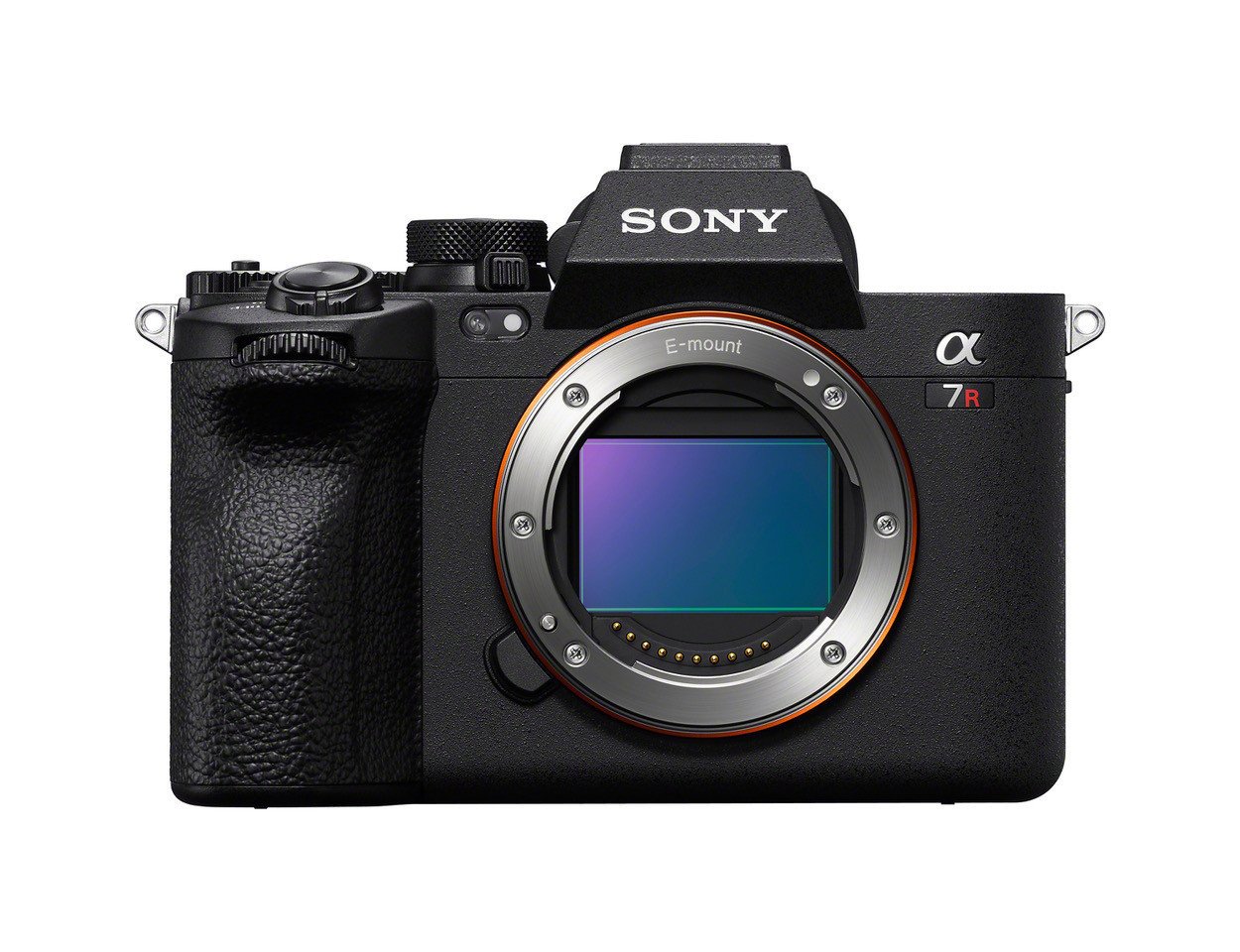
Sony A7R V
The Sony A7R V is the definitive choice for those who demand maximum resolution from a Sony mirrorless camera. Its 61MP sensor produces phenomenal detail for landscapes, studio, and commercial work-paired with class-leading autofocus with deep learning-based subject tracking. The articulating screen, robust build, and strong video specs make it more versatile than previous A7R iterations. We ranked it sixth because, while it offers unbeatable image quality, it is more of a specialty camera than a true all-rounder. It's best for those who value detail and cropping headroom over speed and general versatility. Best for: Landscape, studio, commercial photographers, archival/documentary work.
Pros
- Ultra-high resolution 61MP full-frame sensor
- Advanced autofocus with AI subject recognition
- Improved video features over A7R IV
- Flexible tilting/articulating LCD
- Updated image stabilization
Cons
- Large files require powerful editing hardware
- Slower burst rates compared to A1 or A9 III

Sony ZV-E10 II
The Sony ZV-E10 II is the most approachable and modern APS-C vlogging camera in Sony's arsenal, providing exceptional autofocus, great video quality, and beginner-friendly features in a compact body. For aspiring content creators or those upgrading from smartphones, it delivers excellent value, especially with easy-to-use modes and a fully articulating screen. We placed it seventh as it fills the needs of new and intermediate users who prioritize portability and simplicity, yet want to unlock the creative potential of interchangeable lenses and Sony's color science. Best for: Beginner vloggers, content creators upgrading from compact cameras or smartphones, family users.
Pros
- Upgraded autofocus and tracking for its class
- Compact, lightweight and affordable
- Fully articulating screen ideal for self-shooting
- Good video quality and beginner modes
- Excellent battery life
Cons
- No in-body stabilization
- Build feels less premium compared to A6700
You Might Also Like
Frequently Asked Questions
Should I buy a full-frame or APS-C Sony camera?
Full-frame cameras offer superior image quality, better low-light capabilities, and shallower depth of field, making them ideal for professionals and enthusiasts who demand top performance. APS-C models, on the other hand, are smaller, lighter, more affordable, and their crop factor can benefit telephoto shooting. If you travel a lot, value portability, or are on a tighter budget, APS-C like the A6700 or ZV-E10 II are excellent choices. Opt for full-frame for ultimate image and video quality, especially in challenging conditions.
What makes Sony autofocus better than other brands?
Sony's advanced autofocus systems use on-sensor phase detection and AI-based subject recognition, enabling fast, accurate, and reliable focus even with moving subjects and challenging lighting. Features such as real-time eye tracking for humans and animals, and AI-powered subject detection, make Sony's autofocus particularly effective for both stills and video work.
Which Sony camera is best for video and vlogging?
The Sony ZV-E1 is the best all-around video and vlogging camera, combining a full-frame sensor with excellent stabilization and content-creator features. For APS-C or more affordable options, the ZV-E10 II and A6700 are also highly recommended. For premium hybrid shooting, the A7 IV or A1 are powerful alternatives.
How important is lens selection with Sony cameras?
Lens choice is crucial, as it has a major impact on image quality and creative possibilities. Sony's E-mount system offers a large range of both Sony and third-party lenses, catering to virtually any subject or style. When choosing a camera, make sure the lenses you want are available for that mount and suit your planned uses.
Is a compact camera like the RX100 VII still relevant in the smartphone era?
Yes, the RX100 VII remains relevant for those who want far superior zoom flexibility, autofocus, and image quality compared to even the best smartphones. It offers RAW capture and features like a pop-up EVF and microphone input, making it invaluable for travel, candid photography, and discreet street shooting where using larger cameras is impractical.
How do I choose between Sony's A7, A7R, and A7S lines?
The A7 line is the generalist hybrid series balancing resolution and speed, ideal for most users. The A7R line prioritizes ultra-high resolution for detailed stills, best for landscape, studio, and commercial work. The A7S line focuses on video and low-light performance, excelling in situations where sensitivity and dynamic range matter most.