Sports photography demands the highest level of performance from a camera, including fast and accurate autofocus, high burst rates, excellent tracking, and reliable image quality in challenging lighting conditions. The combination of a responsive autofocus system and a capable sensor is what allows photographers to capture those split-second moments that make or break an action shot. Features like robust weather sealing, a deep buffer for continuous shooting, and strong battery life are also important for professionals and enthusiasts working at fast-paced events or out in the field. When evaluating the best cameras for sports photography, we focused on real-world performance: autofocus speed and reliability, subject tracking capabilities (especially for fast and unpredictable subjects), burst shooting rates, buffer depth, and ergonomic features that aid quick operation. We considered both flagship models and more accessible options, ensuring a variety of price points and camera systems are represented. Whether you are a pro shooting major sporting events, or an enthusiast covering youth games, this list highlights options that consistently deliver under pressure.
Why Trust This List
Our rankings are based on aggregated opinions from real photographers across Reddit communities, combined with detailed specification analysis. We do not accept payment for placement or use affiliate links that influence rankings.
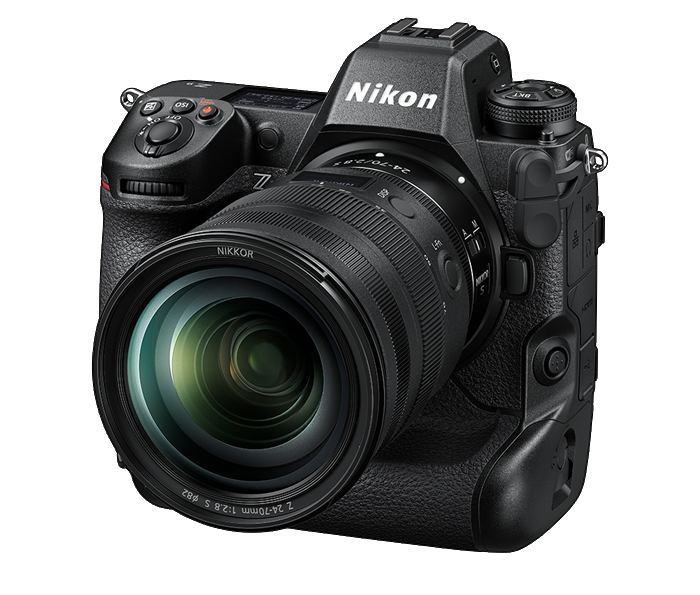
Nikon Z9
The Nikon Z9 secures its spot at the top for sports photography thanks to its blistering 20 fps RAW burst rate (with a jaw-dropping 120 fps in JPEG), a deep buffer, and arguably the most advanced autofocus tracking system Nikon has ever developed. Its blackout-free electronic viewfinder ensures you never miss a moment, even during the most intense action. The robust build, superb weather sealing, and outstanding battery life make it a professional's workhorse, capable of withstanding demanding, all-day sports events. Its AF system incorporates advanced subject recognition and deep learning, enabling reliable tracking of fast-moving athletes, birds, and vehicles. While it comes at a premium price and size, for professionals and serious enthusiasts, the Z9 delivers performance typically reserved for top-tier DSLRs, but in a fully mirrorless package.
Pros
- Exceptional autofocus and subject tracking
- 20 fps RAW and 120 fps JPEG burst rates
- Blackout-free EVF ideal for fast action
- Sturdy, weather-sealed body with pro-level ergonomics
- Deep buffer for extended bursts
Cons
- Large and heavy for a mirrorless camera
- High price point
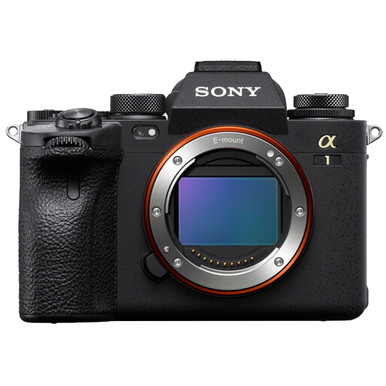
Sony A1
Sony's A1 stands out for delivering practically every feature a sports photographer could need, combining a rapid 30 fps burst rate with a 50 MP resolution sensor, meaning you never have to choose between speed and detail. Its autofocus system is industry-leading, offering reliable eye and subject tracking (human, animal, and even bird) that locks on and keeps up with the fastest action. The real strength of the A1 is its versatility: it's equally at home shooting outdoor sports, indoor basketball, or high-speed motorsports, thanks to its robust low-light performance and flexible file formats. Unlike some rivals, the A1 remains relatively compact for a flagship camera, making it easier for long handheld sessions. While it is a significant investment, it is ideal for pros and demanding enthusiasts who want top-tier speed, image quality, and flexibility in one camera.
Pros
- Class-leading 30 fps burst with full AF/AE
- 50 MP sensor delivers high detail for large prints
- Superb autofocus tracking and recognition
- Compact compared to rivals
- Excellent low-light image quality
Cons
- Very expensive
- Complex menu system for beginners
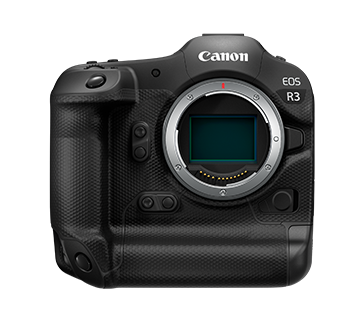
Canon EOS R3
The Canon EOS R3 is built specifically with action and sports photographers in mind, offering a 24 MP stacked sensor for lightning-fast readout and a super-responsive 30 fps electronic shutter burst. Its autofocus is highly customizable, tracking eyes, heads, and bodies even under challenging conditions, and Canon's unique Eye Control AF lets you select AF points just by looking at them in the viewfinder. The R3's superb ergonomics and deep battery mean you can shoot all day at a fast-paced event. It is weather-sealed for use in stadiums or outdoor venues and easily compatible with Canon's extensive RF lens lineup. While it is less resolution-focused than the A1, its speed, reliability, and intuitive operation make it one of the best tools for professional sports shooters.
Pros
- 30 fps electronic burst with silent shooting
- Rapid, dependable autofocus with Eye Control
- Excellent ergonomics and battery life
- Weather-sealed and rugged
- Great low-light performance
Cons
- Lower resolution than some competitors
- Large, heavy body

Sony A9 III
The Sony A9 III is revolutionary, featuring the world's first global shutter in a full-frame camera, eliminating rolling shutter distortion entirely. Its 120 fps burst rate in JPEG means you'll never miss the peak action, while blackout-free shooting keeps your eye on the moment. Autofocus is blazingly fast and can keep up with the most unpredictable sports scenes. The A9 III is particularly suited to photographers who need zero image lag or distortion, such as indoor sports, motorsports, or high-level reportage. While its 24 MP sensor prioritizes speed over resolution, for many sports shooters this is more than sufficient. It's also lightweight for a pro camera, making it easier to use for long events.
Pros
- Global shutter removes distortion for moving subjects
- Up to 120 fps burst for ultimate action capture
- Top-tier autofocus tracking
- Lightweight and compact for its class
- Excellent battery life
Cons
- Lower pixel count limits cropping for distant action
- Expensive for its sensor resolution
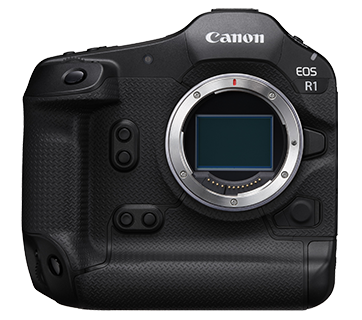
Canon EOS R1
The Canon EOS R1, Canon's latest flagship, is designed with elite sports and action photographers in mind. Featuring Canon's most advanced autofocus engine to date and impressive burst rates projected to match or exceed the competition, the R1 is expected to deliver unprecedented subject recognition and tracking, especially in challenging conditions. Although real-world tests are still emerging, its robust build, improved AI-driven features, and class-leading buffer depth set new expectations for professional sports shooters. Its integration with Canon's RF ecosystem and enhanced connectivity options make it ideal for working professionals needing reliability, speed, and workflow efficiency.
Pros
- Next-generation autofocus and tracking
- High burst rates with deep buffer
- Professional-grade weather sealing
- Advanced connectivity and workflow features
Cons
- Not yet widely available
- Likely to carry a very high price tag
Fujifilm X-H2S
The Fujifilm X-H2S is an APS-C powerhouse tailored for sports photographers who want flagship performance without the full-frame price or weight. Its stacked sensor delivers 40 fps with electronic shutter and class-leading autofocus, particularly effective when tracking erratic subjects. The X-H2S is rugged, well-balanced, and features deep customization options that benefit professionals and skilled enthusiasts alike. For sports shooters who prefer a smaller, lighter setup, or who want to take advantage of Fujifilm's excellent selection of telephoto lenses, the X-H2S is a practical and compelling choice that rarely compromises on performance.
Pros
- Up to 40 fps burst rates
- Excellent, reliable AF tracking for APS-C
- Lightweight vs. full-frame rivals
- Strong buffer performance
- Weather-sealed body
Cons
- Autofocus still trails top full-frame cameras in extreme conditions
- Lens ecosystem not as deep as Canon/Sony
Canon EOS R7
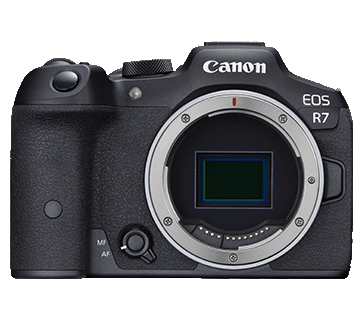
The Canon EOS R7 is arguably the best value-for-money sports camera in Canon's mirrorless APS-C lineup. With a 30 fps electronic burst, refined subject tracking, and excellent build quality for its price, it brings much of Canon's flagship DNA to a far broader audience. It handles both field sports and indoor action well, and its smaller sensor brings added reach for telephoto shooting - a big benefit for distant subjects. Its compact build and competitive price make it ideal for serious enthusiasts, hobbyists, or semi-professionals who want reliable speed without breaking the bank.
Pros
- 30 fps electronic shutter burst
- Strong AI-based autofocus
- Compact and lightweight
- Affordable for the feature set
- Good battery life
Cons
- Low-light performance is not full-frame level
- Smaller buffer than flagships
Nikon Z8
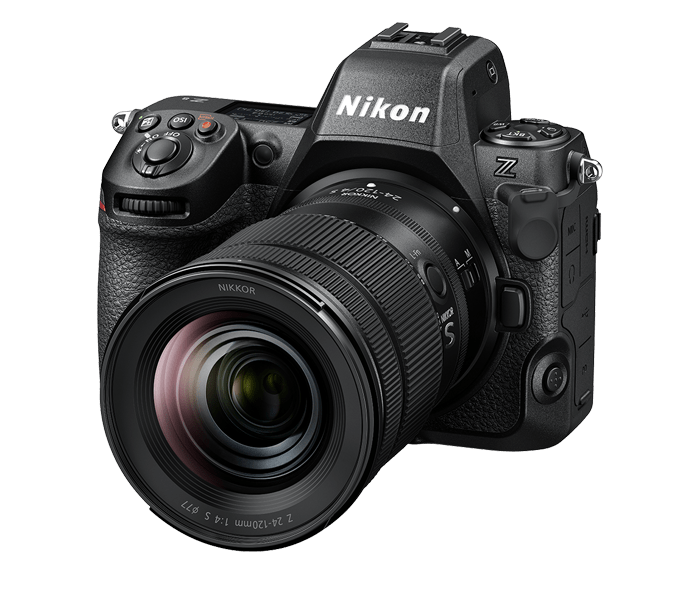
The Nikon Z8 brings most of the Z9's flagship performance into a smaller, lighter body and at a lower price. It delivers the same advanced autofocus, fast burst shooting of up to 20 fps, and deep buffer, making it suitable for all levels of sports and wildlife shooting. The Z8's high-resolution sensor offers flexibility for cropping without sacrificing detail, useful for action that happens at a distance. While its battery is smaller than the Z9 and it sacrifices a bit of ruggedness, the Z8 is the perfect choice for capable enthusiasts and professionals who want flagship speed in a more portable form factor.
Pros
- Pro-level autofocus and subject tracking
- High-resolution sensor great for cropping
- 20 fps RAW burst rate
- Smaller and lighter than the Z9
- Excellent video features for hybrid shooters
Cons
- Shorter battery life than Z9
- Slightly less robust weather sealing

Sony A6700
The Sony A6700 offers an outstanding blend of speed, AF sophistication, and portability at a mid-range price point. With 11 fps bursts and real-time tracking inherited from Sony's top models, it's well-equipped for capturing dynamic sports action, especially outdoors in good light. Its small, lightweight body makes it an appealing choice for travel sports photography or for shooters who need a capable backup to a flagship body. While it can't match the burst rates or build of high-end full-frame models, it's an excellent way for enthusiasts to get serious about action without the flagship price or bulk.
Pros
- Fast and accurate real-time AF tracking
- Compact and light for mobility
- Excellent image quality for APS-C
- Good value in its class
Cons
- Burst rate lags behind top pro models
- Limited buffer for long bursts
Panasonic S1 II
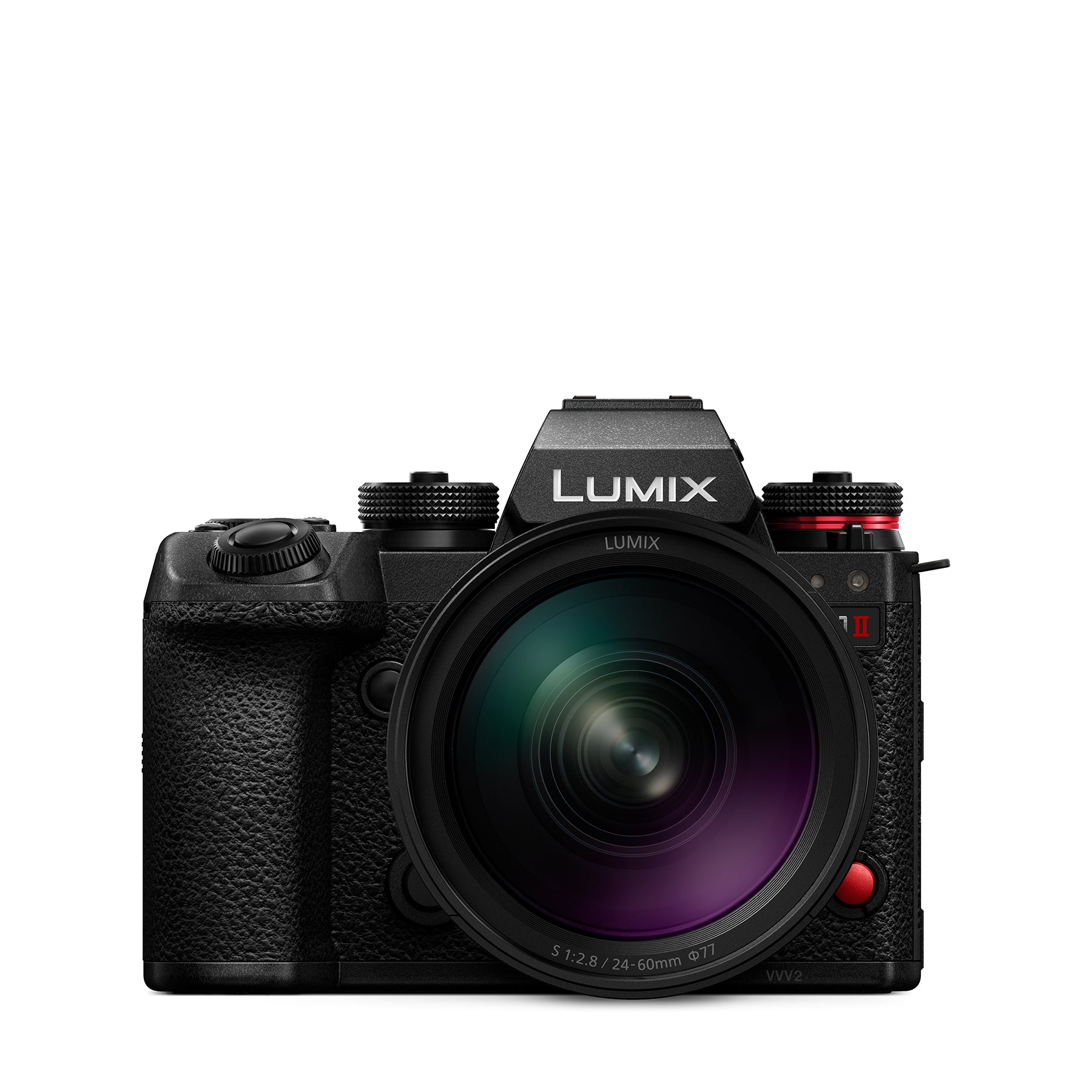
The Panasonic S1 II demonstrates that L-mount users have a viable tool for sports photography, offering bursts up to 30 fps, a rugged, weatherproof body, and fast DFD-based autofocus that has seen major improvements over previous generations. While its focus system may not quite match Sony or Canon's best for erratic motion, the S1 II is highly capable for field sports, motorsport, and action in good light, all while delivering strong video features for hybrid shooters. Its interface, customization, and battery life make it a comfortable companion for long event days - and it's a great choice for L-mount users or those valuing strong build quality plus high-end image performance.
Pros
- 30 fps burst with improved autofocus
- Excellent build and weatherproofing
- Large, bright EVF
- Very good battery life
Cons
- AF tracking less reliable for extremely fast subjects
- Heavier body compared to competitors
You Might Also Like
Frequently Asked Questions
What features are most important in a sports photography camera?
For sports photography, fast and accurate autofocus with reliable tracking is essential to keep up with moving subjects. High burst shooting rates (frames per second), a deep buffer to sustain long bursts, good low-light performance, and a comfortable, rugged body that can be operated quickly are all crucial. Weather sealing and battery life are also important for shooting outdoor or all-day events.
Should I choose a full-frame or APS-C camera for sports?
Full-frame cameras generally offer better low-light performance and higher overall image quality, which is helpful for night games or indoor sports. However, APS-C cameras give you an effective extra reach (crop factor), which is valuable for distant action. APS-C flagships can offer excellent autofocus and fast bursts at a more affordable price and lighter weight.
How important is burst rate for capturing sports action?
A high burst rate (number of frames per second) increases your chances of capturing the peak moment in fast-moving action. For professional sports, 15 fps or higher is often desirable, but buffer size (how many shots you can take before the camera slows down) is equally important for sustained shooting. For most enthusiasts, even a 10-11 fps burst is sufficient, provided autofocus is accurate.
Does lens choice matter as much as camera body for sports?
Absolutely. A fast, long telephoto lens (such as 70-200mm f/2.8 or longer) is often more important than any camera body for sports, as it allows you to reach distant subjects, separate them from the background, and perform well in low light. Invest in the best lens you can afford, with good image stabilization, to maximize your action shots.
Is weather sealing necessary for sports photography?
While not strictly required, weather-sealed cameras are highly recommended for sports photographers shooting outdoors, particularly in rain, dust, or cold conditions. Top-tier sports cameras are designed to withstand challenging environments, reducing the risk of equipment failure when you can least afford it.
Can mirrorless cameras keep up with traditional DSLRs for sports?
Yes. The latest mirrorless models now match or exceed the speed, autofocus, and responsiveness of flagship DSLRs, while offering advantages like silent shooting, blackout-free viewfinders, and more advanced subject tracking. All major camera makers now use mirrorless for their top sports bodies.