2025 continues to be a banner year for mirrorless cameras, with advancements in autofocus, video, and connectivity pushing the boundaries of what's possible for both amateur and professional photographers. Whether you're looking for an affordable entry-point into mirrorless systems or seeking the latest in full-frame performance, this year's options blend cutting-edge tech with increased versatility. We evaluated this year's top releases by testing image quality, autofocus capabilities, video performance, ergonomics, lens ecosystem, and overall value. When shopping for a mirrorless camera in 2025, consider what matters most for your shooting style. Full-frame models typically deliver superior low-light performance and dynamic range, making them great for demanding professionals or serious enthusiasts. APS-C systems, meanwhile, offer a lighter, more budget-friendly package and remain excellent for travel, vlogging, and everyday photography. Our rankings are based on real-world results, balancing performance, value, and versatility to help you choose the best camera for your needs.
Why Trust This List
Our rankings are based on aggregated opinions from real photographers across Reddit communities, combined with detailed specification analysis. We do not accept payment for placement or use affiliate links that influence rankings.
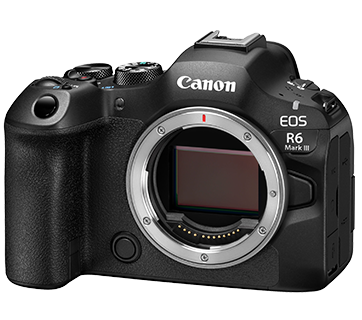
Canon EOS R6 Mark III
The Canon EOS R6 Mark III takes the top spot in 2025 thanks to its all-around excellence that appeals to both professionals and advanced enthusiasts. With significant improvements to its autofocus and burst shooting over its predecessor, the R6 Mark III excels in capturing both fast-moving subjects and video content, making it ideal for hybrid shooters. Its refined ergonomics make extended shooting comfortable, while the robust weather-sealing and battery life make it versatile for fieldwork. Compared to the competition, the R6 Mark III's superior in-body image stabilization and class-leading user interface stand out, especially for event, wedding, and wildlife photographers who need speed and reliability. Its RF mount lens ecosystem has matured, offering an unrivaled selection for diverse shooting scenarios. While the quality comes at a premium, its feature balance makes it the standout pick of 2025.
Pros
- Class-leading autofocus and subject tracking
- Excellent image quality in low light
- Robust build with weather-sealing
- Deep buffer for high-speed burst shooting
- RF mount supports wide variety of lenses
Cons
- Higher price point
- RF lenses can be costly
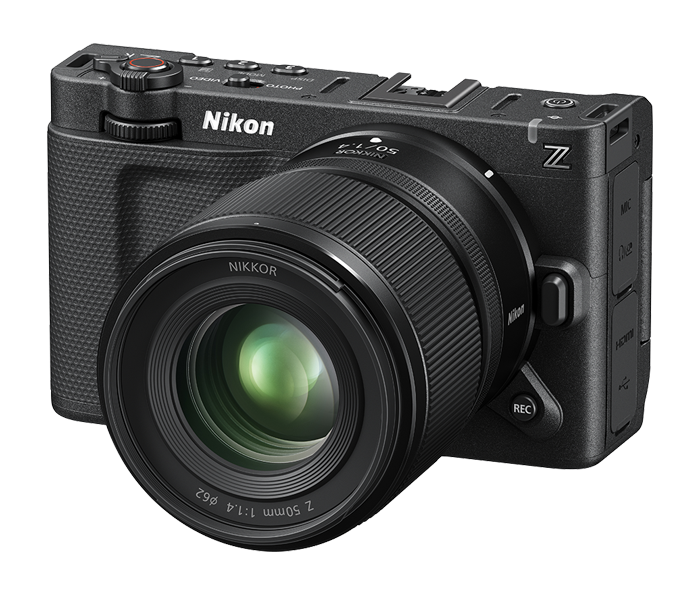
Nikon ZR
Nikon's ZR secures the second position by offering full-frame performance in a compact form factor. The ZR prioritizes both stills and video, making it a compelling choice for modern content creators seeking versatility. Its improved AF system and color science rival Canon's best, while Nikon's ergonomic grip and menu system remain intuitive, especially for existing Nikon shooters. What places it just behind the R6 Mark III is slightly less robust burst performance and a growing, but still slightly smaller, Z-mount lens lineup. The ZR is excellent for travel, portrait, and landscape shooters who desire premium full-frame image quality, and its video features make it a keen pick for hybrid creators.
Pros
- Excellent image quality and color science
- Compact full-frame body
- Strong performance for both stills and video
- Ergonomic design is comfortable for long shoots
Cons
- Lens ecosystem still catching up with rivals
- Buffer depth not as deep as Canon R6 Mark III
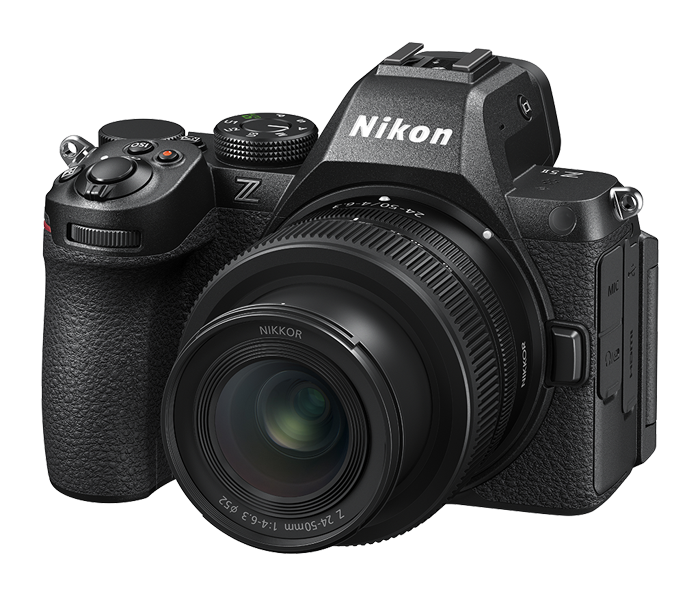
Nikon Z5II
The Nikon Z5II is a reliable, well-priced gateway into full-frame photography. It brings meaningful upgrades in AF tracking and battery life over the original Z5, alongside a well-built body and excellent EVF. For travel, portrait, and everyday photography, the Z5II excels with its straightforward controls and pleasing image output. The Z5II ranks just below the ZR due to less advanced video specs and a slightly less competitive burst rate, which may matter for action or sports shooters. However, it's a superb choice for enthusiasts moving up from APS-C or those who want full-frame quality at a more approachable price point. The evolving Z-mount lens selection continues to expand, making this camera an increasingly flexible option.
Pros
- Affordable for a full-frame mirrorless
- Strong image quality and EVF
- Improved AF tracking over predecessor
- Solid battery life
Cons
- Video features lag behind higher-tier models
- Continuous shooting speed modest for action
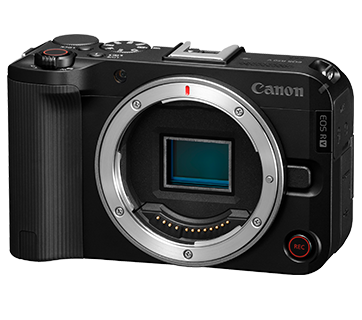
Canon EOS R50 V
The Canon EOS R50 V demonstrates how far APS-C mirrorless cameras have come, packing strong imaging performance and intuitive controls into a lightweight body. Aimed at vloggers, students, and travel photographers, the R50 V features a sharp vari-angle touchscreen and improved video AF, making it excellent for content creators on the move. Its compact size and access to Canon's growing RF lens range give it a flexibility rare at this price point. Compared to its full-frame peers, the R50 V can't match them in low-light or dynamic range, but its portability and user-friendly approach make it a great entry-level option. It's best suited for those stepping up from smartphones or seeking a travel-friendly interchangeable lens camera without the cost or weight of larger systems.
Pros
- Very light and portable body
- Fast and intuitive autofocus, especially in video
- Affordable entry into RF mount
- Great touchscreen interface for vloggers
Cons
- Smaller sensor limits low-light and dynamic range
- Fewer advanced features than higher-tier models
You Might Also Like
Frequently Asked Questions
Should I choose an APS-C or full-frame mirrorless camera in 2025?
Full-frame cameras generally offer better low-light performance, higher dynamic range, and more professional features, making them ideal for serious photographers and videographers. APS-C models, on the other hand, are lighter, more affordable, and compact, which makes them perfect for travel, beginners, and vloggers. Consider your budget and what subjects you intend to shoot most often before deciding.
How important is the lens ecosystem when choosing a camera?
The lens system can significantly impact your shooting experience. A mature lens lineup gives you more creative options and may affect future upgrades. Canon's RF and Nikon's Z mounts both continue to expand in selection and third-party support, but Canon's RF, as of 2025, boasts a slightly broader range of high-performance and specialty lenses. Make sure your chosen system supports the focal lengths and features important to your work.
What features matter most for hybrid shooters (photo and video)?
For hybrid creators, look for cameras with fast and reliable autofocus, robust video specifications (such as 4K60 or better, 10-bit internal recording), in-body stabilization, and articulating touchscreens. Good battery life and microphone/headphone jacks are also essential. The Canon EOS R6 Mark III and Nikon ZR both stand out for hybrid shooting in this year's lineup.
Is autofocus performance a big differentiator in 2025?
Yes, autofocus technology has become a major battleground for mirrorless cameras. Advanced subject detection (face, eye, animal, vehicle) and reliable tracking in challenging conditions enhance both stills and video. The newest models from Canon and Nikon in 2025 feature advanced tracking and low-light AF, which are especially useful for fast-paced genres like sports, wildlife, or capturing kids and pets.
Are mirrorless cameras good for beginners?
Absolutely. Modern mirrorless cameras like the Canon EOS R50 V are designed to be user-friendly, with intuitive menus, helpful guide modes, and advanced auto functions. Beginners benefit from live viewfinders, instant feedback, and easy connectivity to smartphones. However, more advanced models offer additional features and controls that require a learning curve, so it's important to match the camera with your current skill level and willingness to grow.
How do I future-proof my camera purchase?
Future-proofing involves selecting a camera with a strong lens mount/ecosystem, regular firmware updates, and enough technical headroom (resolution, frame rates, ports) to meet evolving needs. Full-frame bodies and systems with rapid innovation (like Canon RF and Nikon Z) tend to offer the most longevity, but even affordable APS-C models today are remarkably capable. Also, consider investing in quality lenses, as they outlast camera bodies.