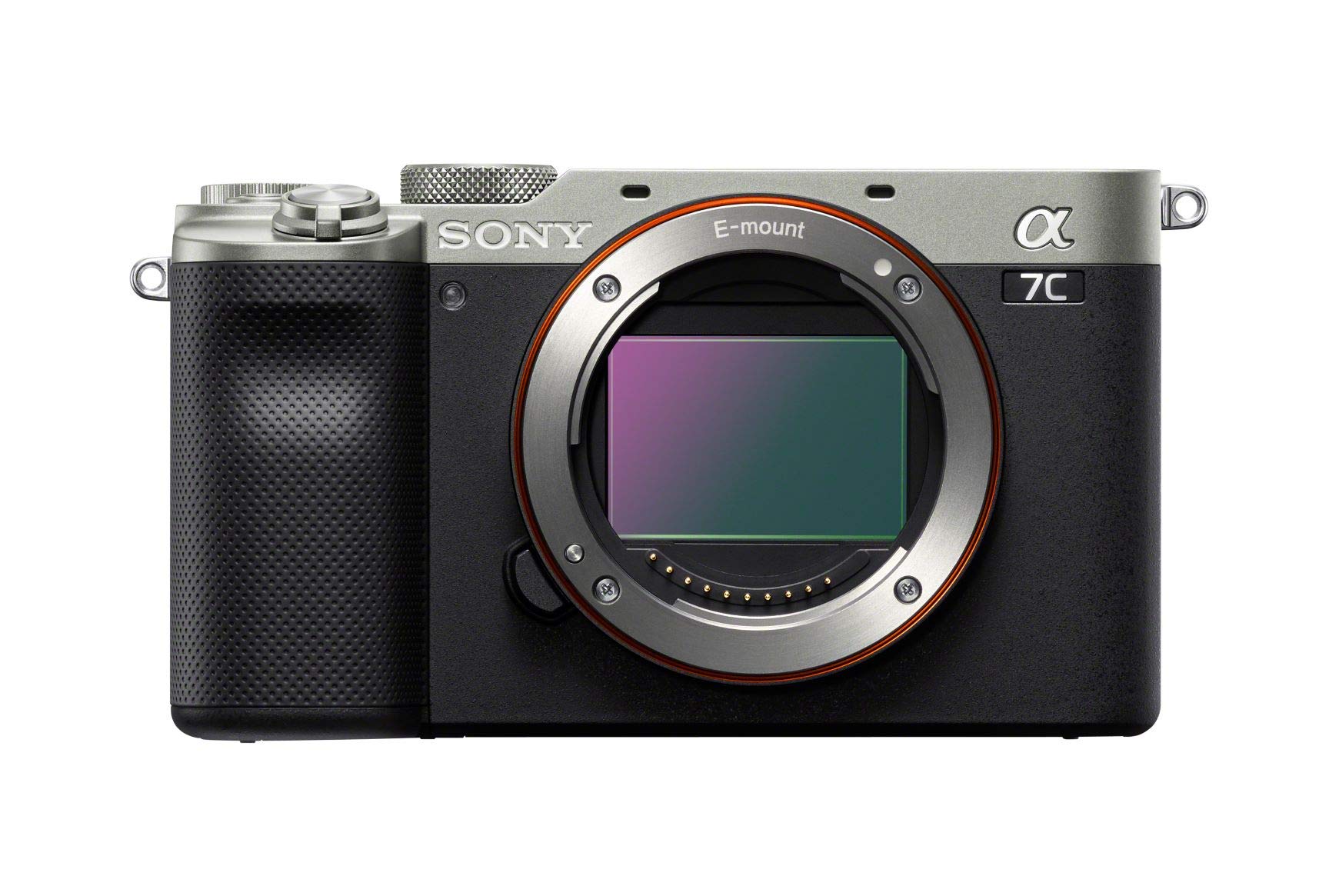

The Sony A7C and Sony ZV-E1 are both popular choices within Sony's full-frame mirrorless camera lineup, catering to different audiences such as enthusiasts and content creators. The A7C targets photographers wanting compact full-frame performance combined with versatile features, while the ZV-E1 is designed primarily for video creators and vlogging, emphasizing 4K video capabilities and ease of use. Buyers may find themselves choosing between these two cameras based on their primary use case, whether it be still photography or video production, as well as budget considerations.
Specifications Comparison
Detailed Comparison
Image Quality
Both the Sony A7C and ZV-E1 share a full-frame sensor size of 35.6 x 23.8 mm, which contributes to excellent image quality, particularly in low-light situations. The A7C has a slightly higher resolution at 24 megapixels compared to the ZV-E1's 12 megapixels. This difference means that the A7C can capture finer details, making it more suited for landscape photography or image cropping without significant loss of quality. The ZV-E1, while offering lower resolution, still provides excellent image quality suitable for most video and casual photography needs. Notably, the ZV-E1 has a wider ISO range, expanding from 40 to 409600, facilitating better performance in extreme low-light conditions. However, the A7C's expansive ISO range (50-204800) is quite competitive, so results will vary based on the scenario.
Autofocus System
The autofocusing capabilities of both cameras are robust, but they cater slightly differently to their intended audiences. The Sony A7C boasts 693 autofocus points, making it highly effective for tracking subjects across the frame, which is beneficial for photography, particularly action shots. Conversely, the ZV-E1 features a slightly improved autofocus system with 759 points, which aids in precise tracking during video recording. Given the rise of vlogging and video content creation, the additional autofocus points can result in better focus during motion. Both systems benefit from Sony's Real Time Eye AF technology, which excels in portrait and subject-focused photography and videography. Although both systems are effective, the ZV-E1's specialized improvement in video tracking gives it an edge in dynamic video environments.
Video Capabilities
In terms of video recording capabilities, the ZV-E1 outshines the A7C with its ability to shoot 4K at 60 frames per second compared to the A7C's maximum of 4K at 30 frames per second. This higher frame rate in the ZV-E1 allows for smoother motion capture, which is particularly advantageous for action shots and fast-moving subjects. Additionally, the ZV-E1 is explicitly geared towards videographers, featuring dedicated video-centric features such as a specialized AI-driven subject tracking mode and enhanced audio options. The A7C does support various video recording options, but it is primarily a hybrid camera, and its video features are more limited compared to the ZV-E1's dedicated focus on video production.
Build & Ergonomics
When comparing the build quality and ergonomics of both cameras, the A7C maintains a slightly more traditional camera design with an electronic viewfinder, which many photographers prefer for composing shots in varying light conditions. Weighing in at 509g, it is marginally heavier than the ZV-E1 (483g), but both models are compact and travel-friendly. Both models feature weather sealing, making them durable in challenging shooting conditions. The ZV-E1, however, lacks a viewfinder, which may deter photographers who rely heavily on that feature. Instead, it emphasizes an LCD touchscreen, which offers a higher resolution than the A7C's display, enhancing usability for vlogging and self-recording scenarios. Thus, this aspect may cater more to video creators than traditional photographers.
Battery & Storage
In terms of battery life, the A7C again boasts an advantage, with a CIPA rating of approximately 740 shots compared to the ZV-E1's 570 shots per charge. This can be crucial for photographers who require long hours of shooting without interruptions or for capturing extended events. Both models utilize the same battery technology and support similar storage formats (SD cards), but the A7C's longer battery life may offer additional peace of mind for full-day shoots. The ZV-E1, however, supports the latest data transfer speeds, which can be beneficial if you are recording high-bitrate video files and managing large amounts of data quickly.
Value for Money
When comparing price points, the A7C is priced at $1,799, making it a more budget-friendly option than the ZV-E1, which retails for around $2,200. For the additional investment, buyers of the ZV-E1 gain advanced video features, improved autofocus tracking, and specialized functionalities for vloggers and content creators. However, for those primarily focused on photography or who want a well-rounded camera that performs well in varying situations, the A7C offers substantial value without the premium price tag. The choice ultimately depends on whether the additional video-centric features of the ZV-E1 justify its higher cost for the buyer's specific needs.
Our Verdict
In conclusion, both the Sony A7C and ZV-E1 cater to different user needs in the full-frame mirrorless market. The A7C excels in image quality, battery life, and overall value for those primarily focused on photography, making it a great choice for photographers and hybrid shooters. The ZV-E1, however, offers superior video capabilities and features specifically tailored to content creators and vloggers. Ultimately, the choice depends on whether one prioritizes photography or videography, suggesting that while the A7C wins more individual sections, both models excel in their respective areas, resulting in a tie for their intended audiences.
Sony A7C
Sony ZV-E1
Also Compare
Frequently Asked Questions
Which camera is better for low light photography?
The Sony A7C has a slight edge with a higher resolution and excellent ISO performance, leading to better image quality in low light situations.
Is the ZV-E1 worth the higher price for a beginner?
If your primary focus is video content creation, the ZV-E1's specialized features might justify the higher price. For general photography or mixed-use, consider the A7C.
How does the autofocus performance compare for video?
The ZV-E1 features more autofocus points, which can provide better tracking for moving subjects while shooting video compared to the A7C.
Can the A7C shoot professional quality video?
Yes, the A7C can shoot high-quality 4K video, but it lacks the frame rate options and features available in the ZV-E1, which are tailored more for video professionals.
What is the difference in battery life?
The A7C offers approximately 740 shots per charge, while the ZV-E1 is rated for around 570 shots-or fewer when recording high-bitrate video.
What types of lenses are compatible with both cameras?
Both cameras utilize the Sony E-mount system, allowing access to a wide range of lenses, from wide-angle to telephoto, catering to diverse photography and videography needs.