
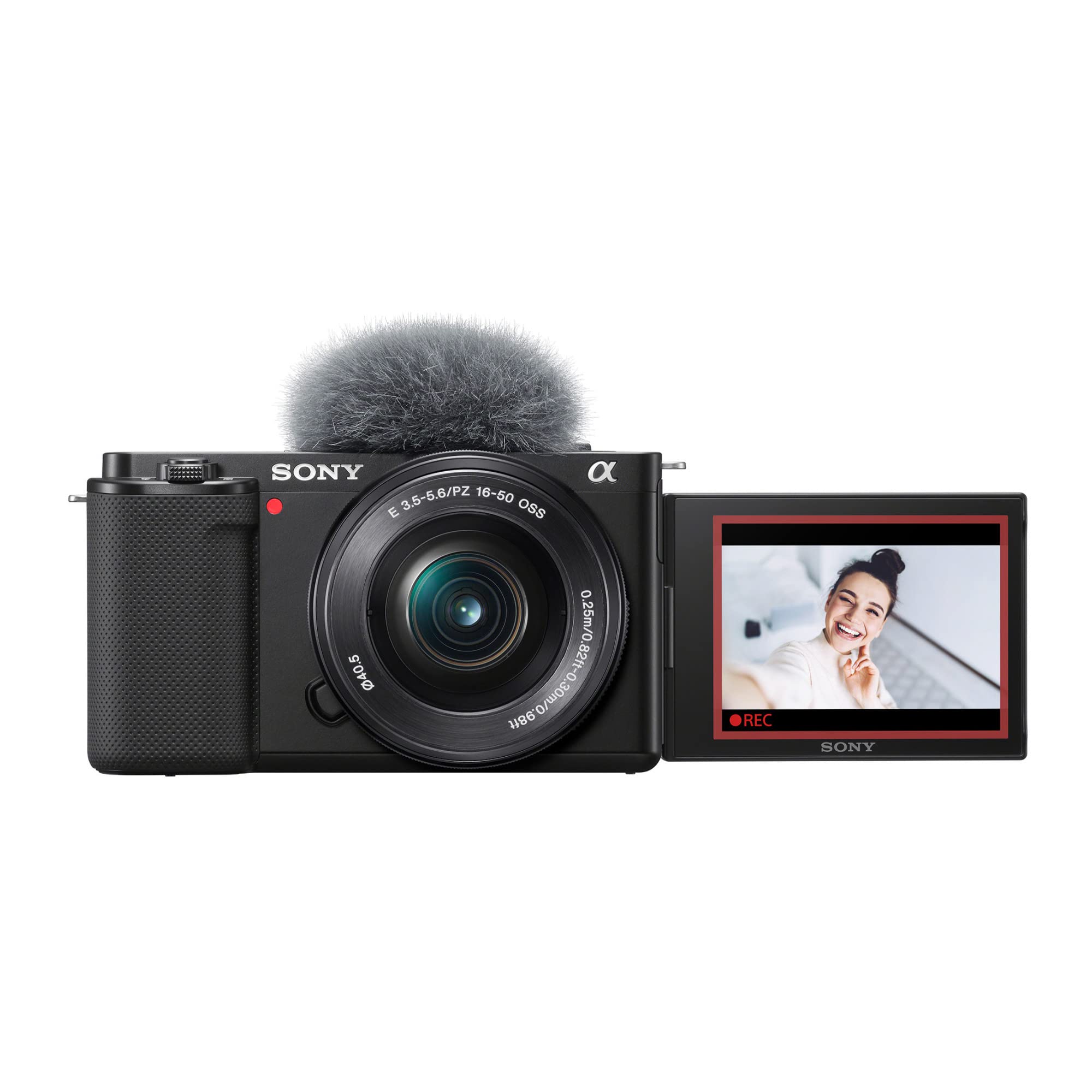
The Fujifilm X-H2 and the Sony ZV-E10 are two popular choices among photographers and videographers seeking high-quality camera systems that cater to different niches. While both cameras utilize the APS-C sensor size, they target distinct user bases: the X-H2 is primarily designed for serious photographers looking for advanced features and performance, whereas the ZV-E10 is tailored for content creators and vloggers who prioritize mobility and simplicity. Users looking to choose between these two cameras will find key differentiators in their specifications and intended use cases.
Specifications Comparison
Detailed Comparison
Image Quality
The Fujifilm X-H2 boasts an impressive 40 megapixels, allowing for exceptionally detailed images suitable for large prints and extensive cropping without loss in quality. It has an ISO range that allows for flexibility in low-light situations, from ISO 80 to 51200, which expands the creative possibilities for photographers. In contrast, the Sony ZV-E10 offers a lower 24 megapixels, adequate for general photography and content creation but does not capture the same level of detail as the X-H2. Its ISO range goes from 50 to 51200, providing decent low-light performance, but may not match the X-H2's clarity at higher ISO settings. Overall, for serious photographers that prioritize resolution and detail, the X-H2 clearly stands out.
Autofocus System
Both the Fujifilm X-H2 and the Sony ZV-E10 feature robust autofocus systems with 425 autofocus points, ensuring fast and accurate focusing capabilities. However, the X-H2 benefits from Fujifilm's superior autofocus algorithms, especially in continuous shooting scenarios, thanks to a maximum frame rate of 15 fps. This advantage is critical for capturing action shots and improving the likelihood of getting sharp, well-focused images. The ZV-E10, with a max frame rate of 11 fps, may struggle in high-speed situations. Although both systems are commendable, the extra performance of the X-H2's autofocus makes it a preferred choice for dynamic shooting.
Video Capabilities
For videographers, the Fujifilm X-H2 supports 4K video recording, enabling high-resolution footage with excellent detail. It also provides advanced video features such as high bitrate recording and various color profiles that are popular among filmmakers and videographers. Meanwhile, the ZV-E10 is limited to 1080p at 24fps, which might suffice for casual vlogging or basic content creation, but fails to meet the demands of more serious video projects. With the lack of in-body stabilization in the ZV-E10, capturing smooth video becomes more challenging compared to the X-H2's 7-stop stabilization which enhances stability during handheld shooting. Here, the X-H2 is clearly the champion for those focused on high-quality video production.
Build & Ergonomics
The Fujifilm X-H2 is designed with professional use in mind, featuring a robust weather-sealed body that stands up well to the elements, making it suitable for outdoor photography. Its dimensions of 136 x 93 x 95 mm and weight of 660 g reflect a solid construction, providing a comfortable grip during extended use. In contrast, the Sony ZV-E10, being lightweight at 343 g and more compact at 115 x 64 x 45 mm, is ideal for travel and vlogging, serving users who prioritize portability. However, the lack of a viewfinder in the ZV-E10 might disadvantage serious photographers who rely on the traditional optical or electronic viewfinder for composing shots. Thus, while the ZV-E10 offers better portability, the X-H2 excels in build quality and usability.
Battery & Storage
In terms of battery life, the Fujifilm X-H2 offers up to 680 shots per charge, surpassing the Sony ZV-E10, which has a battery life of 440 shots. This enhanced battery efficiency makes the X-H2 more suitable for prolonged shooting sessions, especially for professional events or travel photography where charging opportunities may be limited. Both cameras support SD cards, but the X-H2 is capable of handling higher-speed cards more effectively, allowing for faster write speeds that are advantageous during high-resolution video recording. In this aspect, the Fujifilm X-H2 again demonstrates superiority, making it the better option for those who prioritize extensive shooting sessions.
Value for Money
Price is a significant factor when comparing the two cameras. The Fujifilm X-H2 is priced at $1999, reflecting its advanced feature set and professional-targeted functionalities. The Sony ZV-E10, on the other hand, is priced at a more accessible $700, making it an attractive option for beginners or casual users seeking an affordable camera for vlogging and social media. While the X-H2 offers superior image and video quality, the ZV-E10 provides significant value for those on a budget. Therefore, while the X-H2 is an investment in quality, the ZV-E10 presents great accessibility for entry-level content creators.
Lens Ecosystem
Both cameras come from strong lens ecosystems, but they cater to different needs. Fujifilm's X mount boasts a robust selection of high-quality lenses with a focus on optical performance, making it a favorite among photographers looking for results with excellent image quality, especially in the primes and premium zooms. Conversely, the Sony E mount system also has an extensive range of lenses, many of which are particularly optimized for video and hybrid use cases, which suits the ZV-E10 well. Both camera systems have advantages, but the decision primarily hinges on existing investments in either system or specific lens needs. Overall, it's difficult to declare a winner in this category due to the strengths present in both ecosystems.
Our Verdict
Overall, the Fujifilm X-H2 emerges as the winner in this comparison due to its superior image quality, advanced video capabilities, and enhanced build quality, making it an ideal choice for serious photographers and content creators seeking professional performance. The ZV-E10, while scoring high on value for money and impressive lightweight ergonomics, is best suited for casual users and vloggers who prioritize affordability and simplicity. Each camera excels in its intended use, making the choice ultimately depend on the user's specific needs and preferences.
Fujifilm X-H2
Sony ZV-E10
Also Compare
Frequently Asked Questions
Is the Fujifilm X-H2 worth the extra money compared to the Sony ZV-E10?
If you're a serious photographer or videographer in need of high resolution, robust performance, and extensive features, the Fujifilm X-H2 justifies its higher price. However, if your focus is primarily on casual content creation or vlogging, the ZV-E10 offers excellent value for your budget.
Which camera is better for vlogging?
While both cameras can serve for vlogging, the Sony ZV-E10 is specifically designed with content creators in mind, featuring benefits like a lightweight body, articulating screen, and user-friendly controls, making it a great choice for vloggers.
How do the video features compare?
The Fujifilm X-H2 outshines the Sony ZV-E10 with its ability to shoot in 4K and advanced video features, whereas the ZV-E10 is limited to 1080p. If video quality is a priority, the X-H2 is the superior option.
Can both cameras handle low-light situations?
Yes, both cameras perform well in low-light conditions, but the X-H2's superior ISO performance yields clearer and more detailed images at higher ISO settings compared to the ZV-E10.
Which has better autofocus capabilities?
Both cameras feature 425 autofocus points, but the Fujifilm X-H2 has a more refined autofocus system, especially in continuous shooting scenarios, making it more reliable for capturing action.