
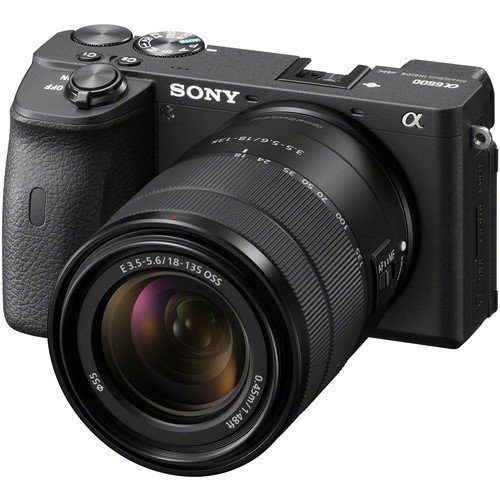
The Fujifilm X-H2 and Sony A6600 are two powerful APS-C mirrorless cameras that are frequently compared by photography enthusiasts and professional users alike. With their compact designs, advanced features, and impressive image quality, both cameras cater to a range of users-from aspiring photographers to seasoned professionals looking for a capable and portable solution. Buyers often weigh these two models against each other due to their similar price points and intended use cases, making it essential to understand the key differentiators that set them apart.
Specifications Comparison
Detailed Comparison
Image Quality
The Fujifilm X-H2 boasts an impressive 40-megapixel sensor, which is significantly higher than the Sony A6600's 24-megapixel sensor. This higher resolution allows the X-H2 to capture more detail, making it ideal for large prints or cropping efficiently while retaining image quality. Additionally, the X-H2 has a wider ISO range of 80-51200, compared to the A6600's 100-102400, providing users with enhanced flexibility in low-light scenarios and more control over exposure settings. Moreover, Fujifilm's renowned color science can produce strikingly rich and well-balanced images, further enhancing the X-H2's capabilities.
In contrast, while the A6600's 24-megapixel sensor is certainly capable, it may not match the levels of detail provided by the X-H2 for specific applications. Nonetheless, the A6600 holds its own in many scenarios and features excellent high ISO performance thanks to its expandable ISO range. Users often find the images produced by both cameras to be impressive, but the X-H2 offers a noticeable edge in high-resolution photography and overall dynamic range.
The difference in image quality can also be reflected in factors such as dynamic range and color reproduction. The X-H2's sensors are generally favored for their ability to handle highlights and shadows effectively, thus providing more latitude in post-processing. However, the A6600 still produces vibrant colors and decent detail that will satisfy many photographers.
Autofocus System
Both the Fujifilm X-H2 and the Sony A6600 come equipped with robust autofocus systems featuring 425 autofocus points, making them capable of fast and accurate focusing. However, the technology they employ offers different experiences. The X-H2 benefits from advanced phase detection and improved algorithms that enhance accuracy and tracking while photographing fast-moving subjects, catering well to action and wildlife photography.
On the other hand, Sony's A6600 utilizes advanced hybrid autofocus which has proven highly reliable in various scenarios, including eye detection for both humans and animals, ensuring that your subject remains in sharp focus. However, it optimally functions at a maximum frame rate of 11 FPS compared to the X-H2's impressive 15 FPS, giving the latter a slight edge in continuous shooting situations.
Ultimately, while both autofocus systems are top-notch and cater well to the needs of their users, the X-H2's advantages in speed and tracking performance make it more suitable for advanced users who regularly capture fast action.
Video Capabilities
When it comes to videography, both cameras support 4K video recording, catering to content creators from different backgrounds. The Fujifilm X-H2 offers superior frame rate options, providing up to 15 FPS for silent modes and impressive performance in demanding situations while maintaining high-resolution footage. Additionally, the X-H2 supports a wide range of color profiles and formats, including ProRes, making it a versatile choice for professional video work.
The A6600, while capable, offers 4K resolution up to 30p, which is sufficient for most videographers but lacks some of the advanced techniques afforded by the X-H2. Furthermore, the Sony camera provides strong in-body stabilization, although the X-H2's stabilization system claims to be a 7-stop advantage, making handheld shooting smoother and more reliable.
Thus, if video quality and advanced production options are a priority, the X-H2 emerges as the better choice for filmmakers, while the A6600 remains a solid option for users requiring decent performance for less demanding tasks.
Build & Ergonomics
In terms of build quality, both the Fujifilm X-H2 and the Sony A6600 are constructed to be durable and weather-sealed, offering protection against light rain and dust, which is ideal for outdoor shooting. However, the X-H2's bulkier dimensions (136 x 93 x 95 mm and 660 grams) provide a more substantial feel in hand, which can be advantageous for stability during shooting and fits comfortably with larger lenses.
Conversely, the A6600's lighter and more compact design (120 x 67 x 69 mm and 503 grams) is perfect for travel and everyday carry, particularly for content creators who need to move quickly. This smaller footprint does come at the cost of a slightly less comfortable grip for larger hands.
While both cameras are well-designed and ergonomic, the Fujifilm X-H2 is a more robust option for those requiring durability and a better grip, while the A6600's compact nature caters to users prioritizing portability in their gear.
Battery & Storage
The Sony A6600 offers impressive battery life, rated at approximately 810 shots per charge, making it a great choice for extended shooting sessions without the need for frequent battery changes. In comparison, the Fujifilm X-H2 offers a slightly lower battery life of around 680 shots, which might necessitate carrying an additional battery for longer outings.
Both cameras support SD card storage, but the X-H2 also brings compatibility with CFexpress Type B cards, enabling faster write speeds which are beneficial for high-resolution photography and 4K video recording, particularly when shooting continuously at high frame rates. This could be a deciding factor for professionals who are keen on rapid processing between shots.
While the A6600's battery life is commendable, the versatility in storage options and impressive image performance of the X-H2 places it ahead in this category, especially for users who require extensive recording capabilities.
Value for Money
When considering value for money, the Fujifilm X-H2 is priced at $1999, whereas the Sony A6600 is more budget-friendly at $1400. This price difference may substantially influence buyers who are looking for a strong camera without breaking the bank. The A6600 offers a great balance of features, including excellent autofocus, video quality, and good build characteristics, making it an attractive option for enthusiasts and casual users.
In contrast, the X-H2's higher price comes with significant upgrades in megapixel capacity, advanced autofocus tracking, and superior video capabilities that cater more to serious professionals and those with more demanding requirements. Therefore, while the A6600 may provide better initial value for less intensive use, the X-H2 delivers greater long-term value for professionals needing its enhanced features.
Ultimately, choosing between them will greatly depend on the user's budget and the intended use-amateur photographers may find the A6600 to be more financially viable, while professionals may justify the X-H2's higher price due to its advanced capabilities.
Lens Ecosystem
Both Fujifilm and Sony have developed a robust ecosystem of lenses compatible with their respective camera systems. Fujifilm's X-mount lenses offer a diverse range of high-quality options, particularly for primes and fast aperture lenses, which are favored by professional photographers seeking superior optical performance. There are also various third-party lenses available that enhance the versatility of the X-H2.
On the other hand, the Sony E-mount lens ecosystem is broad, with a vast number of both native and third-party options available. Sony lenses are well-regarded for their autofocus performance and versatility, which is particularly important for video creators. This extensive range gives users the flexibility to tailor their systems according to specific shooting needs and preferences.
Choosing between the two may depend on users' prior investments in lenses or their specific photography or videography needs; however, both ecosystems are sufficiently mature and serve their users well in most scenarios. In summary, while both systems offer excellent options, Sony's lens ecosystem is arguably larger and more versatile.
Our Verdict
Overall, the Fujifilm X-H2 is the clear winner when it comes to image quality, autofocus performance, and video capabilities. Its superior resolution, faster frame rates, and advanced video recording functions cater exceptionally well to professionals and enthusiasts who demand high performance from their gear. The Sony A6600, however, remains a solid contender, offering great value for those requiring a reliable and portable option without the need for extensive upgrades. Ultimately, the choice will come down to individual user needs: for high-end requirements, the X-H2 excels, while the A6600 provides commendable performance for a lower price point.
Fujifilm X-H2
Sony A6600
Also Compare
Frequently Asked Questions
Which camera is better for low-light photography?
The Fujifilm X-H2 has a wider expandable ISO range, making it more capable under low-light conditions than the Sony A6600, which while still effective, may struggle at the same levels.
Is the Fujifilm X-H2 worth the extra cost?
If you prioritize high resolution, faster autofocus, and advanced video features, the X-H2 is worth the investment. However, if you're budget-conscious and don't need the additional performance, the A6600 is an excellent alternative.
How do the autofocus systems compare?
Both cameras offer 425 autofocus points, but the X-H2 has superior tracking capabilities and speed, making it more suitable for fast-moving subjects.
Which camera has better video features?
The Fujifilm X-H2 has superior video specifications, including higher frame rates and better recording options, catering more to professional video users than the A6600.
Are both cameras weather-sealed?
Yes, both the Fujifilm X-H2 and Sony A6600 are weather-sealed, making them suitable for outdoor use despite tough conditions.