
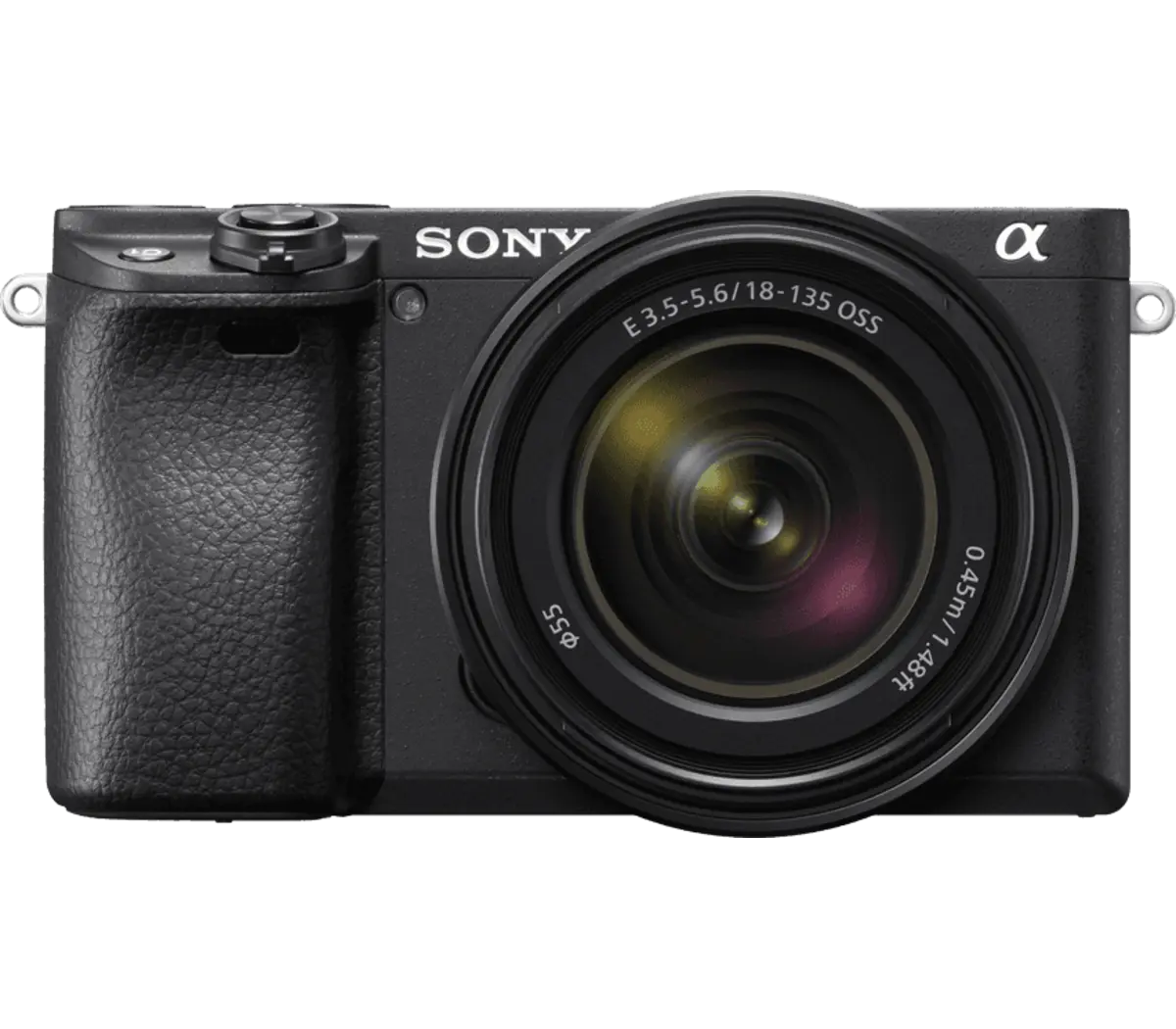
The Fujifilm X-H2 and the Sony A6400 are two popular mirrorless cameras that often come up in discussions among photography enthusiasts and videographers. Both cameras target a similar audience, appealing to both amateur photographers and professionals seeking a compact, versatile tool for capturing high-quality images and videos. Buyers might be choosing between these two models based on specific needs such as image quality, autofocus performance, video capabilities, and price, which can heavily influence their decision.
Specifications Comparison
Detailed Comparison
Image Quality
The Fujifilm X-H2 boasts an impressive 40-megapixel APS-C sensor, which provides exceptional image resolution and detail, making it suitable for large prints and cropping flexibility. Photographers can expect stunning color reproduction and dynamic range from its sensor architecture. On the other hand, the Sony A6400 features a 24-megapixel APS-C sensor, which, while lower in resolution, still delivers excellent image quality, particularly in low-light conditions due to its impressive ISO range that expands to 102,800 compared to the X-H2's maximum of 51,200.
In practical terms, the Fujifilm X-H2 excels in scenarios where high detail is paramount, such as landscape and studio photography. Its higher resolution is particularly beneficial for detail-oriented captures. However, the lower megapixel count of the A6400 can still achieve remarkable results, especially for web use or smaller print sizes. The dynamic range and color characteristics of both cameras are strong, but Fujifilm has a reputation for producing vibrant and film-like images.
In conclusion, while both cameras deliver excellent image quality, the choice largely depends on the user's specific needs. Those prioritizing maximum detail will lean towards the Fujifilm X-H2, while those who require more versatile low-light performance may find the A6400 sufficient for their requirements.
Autofocus System
Both cameras feature advanced autofocus systems with 425 phase-detection points, enabling fast and precise focusing in various shooting conditions. The Fujifilm X-H2, however, surpasses the A6400 in terms of its sophistication and tracking capabilities, particularly for moving subjects. The X-H2's improved algorithm allows for better eye detection, which is invaluable for portrait photography and video work.
The A6400 also performs admirably with its real-time eye autofocus technology, making it suitable for casual use and run-and-gun filming. However, some users have pointed out that its autofocus occasionally struggles in very low light situations compared to the X-H2. The consistency and accuracy of the X-H2's autofocus system make it a more reliable choice for professional work, especially for fast-paced environments.
Consequently, while both cameras are equipped with robust autofocus systems, the level of sophistication and reliability of the Fujifilm X-H2's autofocus gives it the edge, particularly for those requiring precision in challenging scenarios.
Video Capabilities
When it comes to video capabilities, both the Fujifilm X-H2 and the Sony A6400 offer excellent 4K video recording, but the X-H2 has a distinct advantage by supporting 4K at 60p, which opens the door for smoother motion capture and enhanced slow motion options. This makes the X-H2 appealing for filmmakers and content creators focused on high-quality video production.
The A6400, while supporting 4K, is limited to 30p in that resolution, which may limit the creative potential for users looking to achieve higher frame rates. Additionally, the X-H2's advanced video features, including F-log recording and higher bit rates, ensure that it offers more flexibility in post-production.
In terms of connectivity and usability, both cameras provide features like microphone inputs, but the X-H2's enhanced video-centric controls and monitoring options render it a stronger candidate for serious videography. Overall, those prioritizing high-end video production will find the Fujifilm X-H2 far superior over the Sony A6400.
Build & Ergonomics
The Fujifilm X-H2 is larger and heavier at 660 grams, with dimensions of 136 x 93 x 95 mm, which might provide a more substantial grip for larger hands, and it comes with a weather-sealed body that makes it suitable for outdoor photography in various conditions. The camera features a mechanical shutter and offers operational controls that are intuitive and easily accessed during use, ideal for professional context.
Conversely, the Sony A6400 is more compact and lightweight at 403 grams with dimensions of 120 x 67 x 60 mm, making it more portable for travel and street photography. It also includes weather sealing, but the construction feels less robust compared to the X-H2. The smaller form factor may appeal to those who prioritize a lightweight setup over a more rugged design.
Ultimately, if build quality and weatherproofing are essential, the X-H2 is the preferred option for outdoor and extended use. However, for those needing portability and a lighter setup, the A6400 may be the more practical choice.
Battery & Storage
The Fujifilm X-H2 offers a commendable battery life of approximately 680 shots per charge, which is advantageous for long shooting sessions without the need to change batteries frequently. It supports dual card slots, allowing for both overflow storage and backup, which is particularly helpful for professional photographers and videographers.
In contrast, the Sony A6400 presents a battery life of around 410 shots per charge, which is adequate for casual shooting but might require more frequent battery changes during longer sessions. It supports only a single card slot, which limits storage flexibility compared to the dual options present in the Fujifilm.
Overall, the X-H2's superior battery life and dual card slot facility significantly enhance its usability for users needing reliability during extensive shoots, making it a better investment for serious photography and videography.
Value for Money
In terms of pricing, the Fujifilm X-H2 is priced at $1999, reflecting its advanced features, higher resolution sensor, and professional-grade capabilities. This price point positions it well for serious photographers and videographers who demand high-quality performance from their gear.
On the other hand, the Sony A6400, priced at $900, presents an attractive option for budget-conscious users looking to enter the mirrorless market or needing a capable camera for everyday use without breaking the bank. It offers substantial performance, albeit with fewer professional-grade features compared to the X-H2.
The disparities in price create a considerable value proposition for both cameras. For users who require premium capabilities and are willing to make a financial investment, the X-H2 is justifiable. However, for those prioritizing affordability without needing all the high-end features, the A6400 provides excellent value for general photography needs.
Our Verdict
Overall, the Fujifilm X-H2 comes out as the winner in this comprehensive comparison, particularly due to its superior image quality, autofocus system, and video capabilities. The build quality and extended battery life further enhance its position as a reliable tool for professional photographers and videographers. However, for those with budget limitations or who do not require advanced features, the Sony A6400 remains a strong contender, particularly for casual photography and travel, offering significant value for its price.