
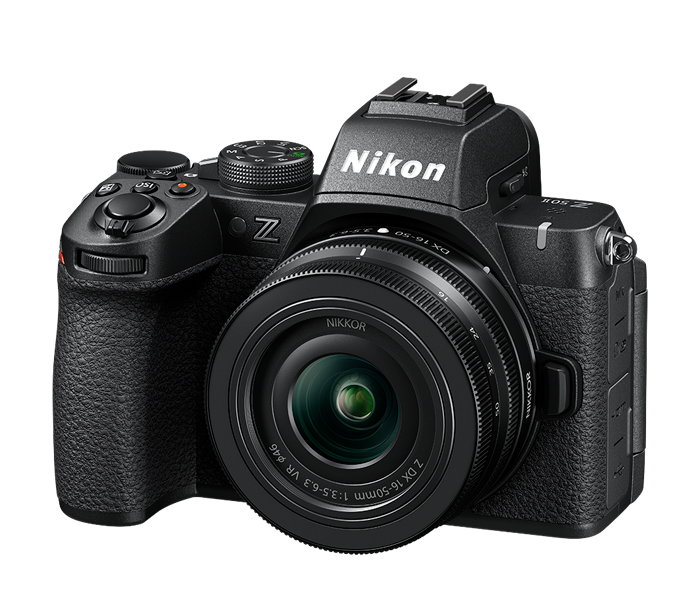
The Fujifilm X-H2 and Nikon Z50II are two compelling APS-C mirrorless cameras that cater to photographers and videographers alike. As both models are in the popular mid-range segment, potential buyers often find themselves comparing these two options. The X-H2 is known for its robust specs and high-resolution images, while the Z50II offers an attractive price point and ease of use for enthusiasts transitioning from entry-level cameras. Key differentiators include sensor performance, autofocus capability, and video options that highlight each model's strengths.
Specifications Comparison
Detailed Comparison
Image Quality
When assessing image quality, the Fujifilm X-H2 stands out with its 40-megapixel sensor, providing incredible detail and resolution, ideal for landscape and commercial photographers. The larger megapixel count allows for greater cropping flexibility and superb image clarity, particularly in expansive prints. In contrast, the Nikon Z50II features a 21-megapixel sensor, which, while adequate for most casual photography, may not deliver the same level of detail in larger prints or when cropping rigorously.
Additionally, the X-H2 offers a more comprehensive ISO range that spans from 80 to 51200, allowing for better low-light performance, which is crucial for night photography. The Z50II can reach up to 204800, promoting good low-light photography, yet with fewer megapixels, the overall quality may not surpass the X-H2 in mixed lighting conditions. Overall, the X-H2 provides superior image quality and versatility in different shooting environments.
Autofocus System
In the realm of autofocus, the Fujifilm X-H2 boasts an impressive 425 autofocus points, allowing for precise and quick focus tracking, which is vital for capturing moving subjects and achieving sharp images in quick succession. This extensive autofocus system improves the overall shooting experience, making it a great choice for sports, wildlife, and event photography.
Conversely, the Nikon Z50II features only 231 autofocus points. While it provides adequate performance for beginners and enthusiasts, those looking for advanced tracking capabilities may find it lacking compared to the X-H2. The X-H2's superior autofocus points paired with its face/eye-detection capabilities give it the edge for action-oriented photography. Hence, for those prioritizing autofocus performance, the X-H2 emerges as the clear winner.
Video Capabilities
For videographers, the X-H2's 4K video capabilities are a significant advantage, allowing for high-resolution video recording with advanced features that appeal to more serious creators. The ability to shoot 4K at high frame rates, combined with its impressive color science and image stabilization system, makes it a formidable option for video production. This model's in-body stabilization (7 stops) is particularly beneficial for handheld filming, ensuring smoother footage and reducing shake.
On the other hand, the Nikon Z50II also supports 4K video but without the benefits of in-body stabilization and fewer advanced video features, which may limit its appeal for those intending to create more professional content. Overall, for those focused on video capabilities, the X-H2 represents a more versatile and powerful choice for 4K filming.
Build & Ergonomics
Build quality is another consideration between these two models. The Fujifilm X-H2 is heavier, weighing in at 660g, but this weight comes with a robust, weather-sealed design that delivers durability for various shooting conditions. The dimensions (136 x 93 x 95 mm) provide a comfortable grip, especially for extended shooting sessions, appealing to serious photographers.
The Nikon Z50II, at a lighter 550g with slightly more compact dimensions (127 x 97 x 67 mm), is easier to carry for day-to-day use. Its design is ergonomic and user-friendly, ideal for beginners. However, some may find the lighter build less robust. For users who prioritize strength and weather resistance, the X-H2's design overshadows the Z50II's lighter and thus, less durable construction.
Battery & Storage
In terms of battery life, the Fujifilm X-H2 excels with an excellent 680 shots per charge, which is critical for photographers out on longer shoots without access to recharge. This extended battery life ensures that users can capture more images without frequent interruptions to change batteries.
On the contrary, the Nikon Z50II has a modest battery life of around 250 shots, which may require an extra battery for longer sessions. While both cameras use their respective mounts effectively, the storage options should also be considered. The X-H2 uses dual card slots for expanded storage, allowing photographers to back up their images and shoot in a more efficient workflow, whereas the Z50II has a single card slot. This difference in battery performance and storage flexibility gives the X-H2 a solid advantage.
Value for Money
The Fujifilm X-H2 is priced at $1999, reflecting its high-end features, including the larger sensor, advanced video capabilities, and superior build quality. For professional users seeking comprehensive functionality, this price may be justified considering the performance offered.
On the other hand, the Nikon Z50II is more budget-friendly; being released at a price that appeals to enthusiasts entering the mirrorless market. At a lower price, it presents a value proposition for those who may not need high-end professional features but still wish for a capable camera that can handle varied photography. In this aspect, while the X-H2 offers more features for the price, the Z50II provides entry-level users with a solid option that balances cost with performance.
Our Verdict
Overall, the Fujifilm X-H2 emerges as the winner in this comparison, excelling in image quality, autofocus, video capabilities, and build quality. While its price reflects its high-end nature, for serious photographers and videographers who prioritize performance, it is a worthwhile investment. However, the Nikon Z50II is a solid contender for those who prioritize a lighter, more budget-friendly option for casual shooting and ease of use. Ultimately, the decision hinges on the user's specific needs and level of expertise.
Fujifilm X-H2
Nikon Z50II
Also Compare
Frequently Asked Questions
Which camera is better for low light photography?
The Fujifilm X-H2 is superior in low light conditions due to its higher resolution and wider ISO range, making it the better choice for low light photography.
Is the Fujifilm X-H2 worth the price difference?
For serious professionals and enthusiasts who require high-quality images, advanced video features, and superior build quality, the X-H2 justifies its higher price.
How does the autofocus performance compare?
The Fujifilm X-H2 features a significantly more advanced autofocus system with 425 points, while the Nikon Z50II has 231 autofocus points, making the X-H2 better for fast-moving subjects.
Which camera has better battery life?
The Fujifilm X-H2 offers a longer battery life, rated at approximately 680 shots, compared to the 250 shots from the Nikon Z50II.
How do the video capabilities differ?
The X-H2 offers robust 4K video filming with in-body stabilization, whereas the Z50II supports 4K video but lacks advanced video features and stabilization.