
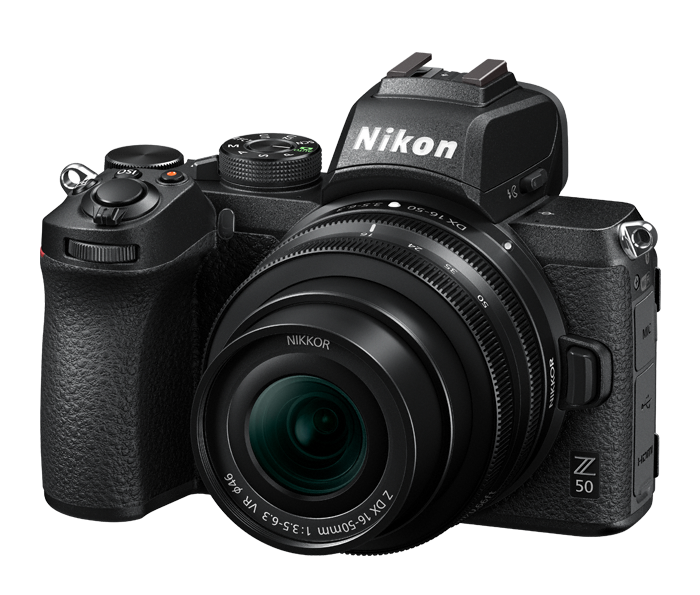
The Fujifilm X-H2 and Nikon Z50 are two popular choices in the APS-C mirrorless camera segment, each aimed at different types of photographers and videographers. The X-H2 is prominent for its high resolution and professional features, making it suitable for enthusiasts and professionals who require superior image quality and advanced functionality. Conversely, the Z50 offers a more approachable price and user-friendly design, targeting entry-level users and those who prioritize portability. As a result, many buyers often find themselves in a dilemma choosing between these two capable machines due to their distinct advantages.
Specifications Comparison
Detailed Comparison
Image Quality
The Fujifilm X-H2 features a staggering 40-megapixel APS-C sensor, providing exceptional detail and resolution, making it a powerhouse for landscape and fine art photography. Its ISO range extends from 80 to 51,200, allowing greater flexibility in low-light conditions while maintaining image quality. Conversely, the Nikon Z50's 21-megapixel APS-C sensor delivers good image quality but simply does not match the higher resolution of the X-H2. However, it does have a wider ISO range, extending up to ISO 204,800, making it versatile in extreme low light situations. That said, at high ISO, the Fujifilm sensor generally performs better in terms of noise control and dynamic range. In terms of color rendition and film simulations, Fujifilm's expertise is renowned, giving it an edge in producing vivid and pleasing images straight out of the camera.
Autofocus System
When it comes to autofocus performance, the Fujifilm X-H2 boasts an impressive 425 autofocus points that provide extensive coverage across the frame. This wide coverage can greatly enhance focusing accuracy, particularly in dynamic shooting scenarios. Additionally, the X-H2 features advanced subject detection capabilities, including humans, animals, and more. The Nikon Z50, with its 209 autofocus points, offers reliable performance, particularly for its target demographic, but may struggle in demanding situations compared to the more advanced system of the X-H2. Users in fast-paced environments, like wildlife or sports photography, would likely benefit from the X-H2's superior autofocus efficiency.
Video Capabilities
Video is an important aspect of both cameras but each approaches it differently. The Fujifilm X-H2 offers 4K video up to 60 frames per second with high-quality recording options that are attractive for serious videographers, including 10-bit 4:2:2 internals, making it a strong choice for content creators. It has advanced features like F-Log and customizable options for color grading. On the other hand, the Nikon Z50 also shoots 4K video at 30p but lacks some of the advanced video features found in the X-H2, such as higher frame rates and log profiles. For those interested in higher quality video production, the X-H2 is clearly the superior option.
Build & Ergonomics
In terms of build quality, both cameras feature weather sealing, making them suitable for various environments. However, the Fujifilm X-H2 feels more robust due to its heavier weight of 660 grams and slightly larger dimensions. This can offer a sense of confidence for demanding shooting conditions. Conversely, the Nikon Z50 at 450 grams is significantly lighter and more compact, which may appeal to travelers or those looking for a camera that's easy to carry around. The grip of the Z50 is very comfortable for its size, but the X-H2 may feel more substantial in the hand for prolonged use. Ultimately, the choice may boil down to the user's preference for weight versus build robustness.
Battery & Storage
Battery life is another critical area of comparison. The Fujifilm X-H2 showcases an outstanding battery life of approximately 680 shots, which is beneficial for prolonged shooting sessions, especially in professional scenarios. In contrast, the Nikon Z50's battery life comes in at approximately 320 shots, which might require more frequent recharging or carrying spare batteries. They both utilize different storage solutions: the X-H2 has dual card slots supporting CFexpress and SD cards, providing more flexibility and speed for image-saving, while the Z50 has a single SD card slot that, while effective, does not offer the same high-speed options or redundancy.
Value for Money
Price is a significant consideration, with the Fujifilm X-H2 priced at $1999, presenting it as a premium option packed with features for professionals or serious enthusiasts. The Nikon Z50, however, is priced at $859, catering to those who are on a tighter budget while still desiring solid performance. The Z50 delivers excellent value given its price point, especially for beginners who may not need the advanced features of the X-H2. While Fujifilm offers a range of technological advancements and higher overall image quality, entry-level users may perceive the Z50 as a more practical option without overwhelming features and a steep learning curve.
Our Verdict
Overall, the Fujifilm X-H2 stands out as the winner due to its superior image quality, advanced autofocus system, and robust video features that appeal to both enthusiasts and professionals. While the Nikon Z50 is a fantastic choice for beginners seeking an affordable, user-friendly camera, it lacks the higher-end features and performance metrics that the X-H2 delivers. Therefore, for those who prioritize top-notch image capability and performance in various shooting conditions, the X-H2 is the clear choice, whereas the Z50 remains a strong contender for those looking for accessibility at a lower cost.
Fujifilm X-H2
Nikon Z50
Also Compare
Frequently Asked Questions
Which camera is better for low-light photography?
The Fujifilm X-H2 generally performs better in low-light conditions due to its lower noise levels at higher ISO settings, despite the Nikon Z50 boasting a more extended maximum ISO range.
Is the Fujifilm X-H2 worth the higher price?
For photographers and videographers seeking the latest technology, exceptional image quality, and advanced features, the Fujifilm X-H2 justifies its higher price tag. However, if your needs are more basic, the Z50 offers great value.
Can the Nikon Z50 produce good video content?
Yes, the Nikon Z50 can produce high-quality 4K video, but it lacks some advanced features found in the X-H2, which might limit flexibility for serious videographers.
How do battery lives compare between the two cameras?
The Fujifilm X-H2 significantly outperforms the Z50 with 680 shots per charge compared to the Z50's 320 shots, making it more suitable for longer shooting sessions.
Which camera is more portable?
The Nikon Z50 is more portable due to its lighter weight and smaller dimensions, making it better for travel and daily carry.