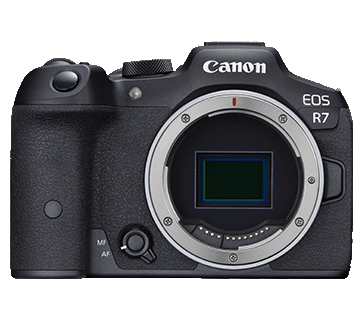
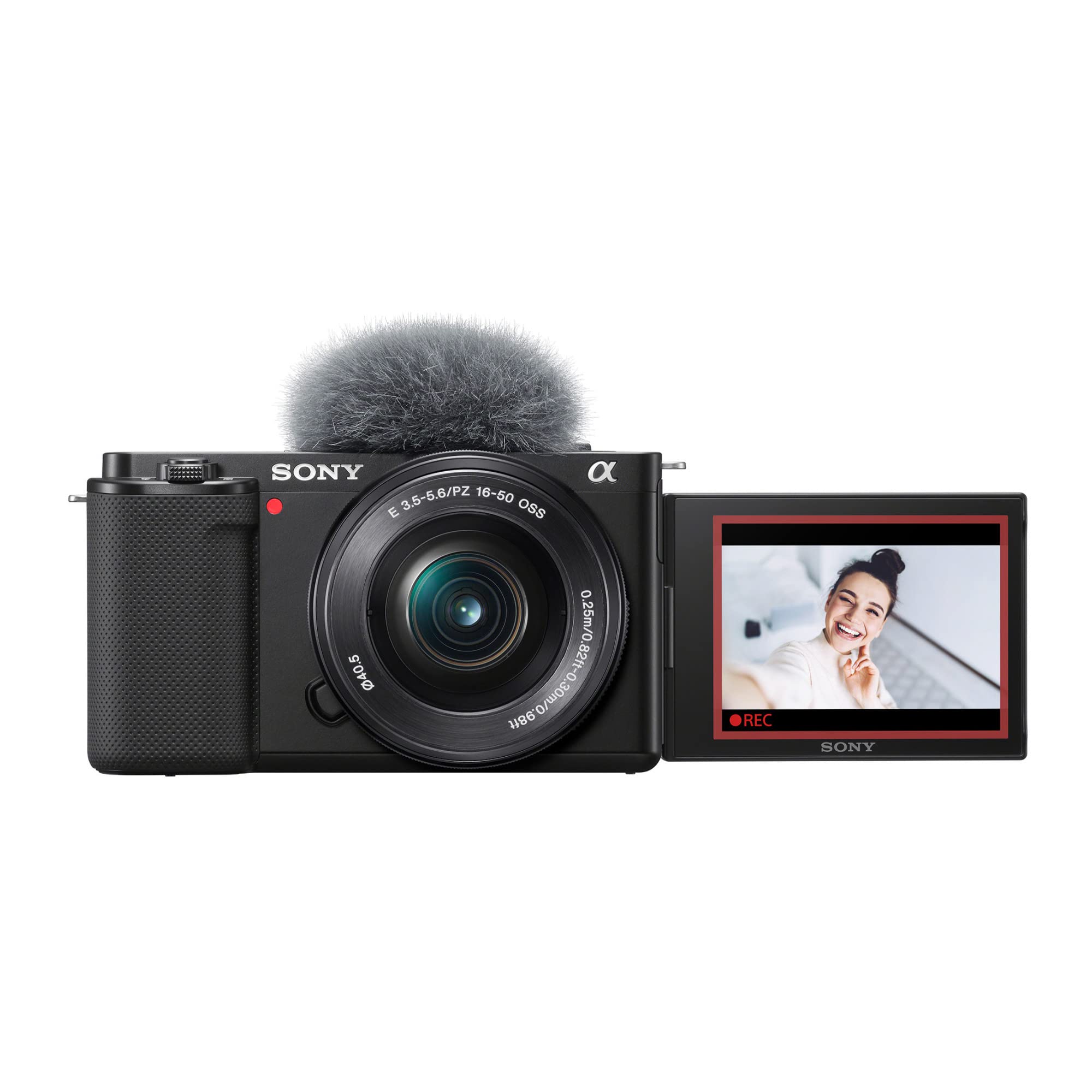
The Canon EOS R7 and Sony ZV-E10 are two popular APS-C mirrorless cameras that cater to distinct user needs, making them a common choice for enthusiasts and content creators alike. The Canon EOS R7, with its advanced feature set, targets serious photographers and videographers looking for great image quality, impressive autofocus capabilities, and robust build quality. On the other hand, the Sony ZV-E10 is designed primarily for vloggers and casual users, prioritizing lightweight portability and easy usability. These cameras reflect different philosophies in design and functionality that potential buyers must take into account based on their specific use cases.
Key differentiators between these two models include image quality, autofocus performance, video recording capabilities, and overall build quality. While the EOS R7 offers higher resolution and extensive features, the ZV-E10 provides a more affordable, lightweight option with adequate performance for vloggers. This comparison will delve into these aspects, helping you determine which model best suits your photography or videography style.
Specifications Comparison
Detailed Comparison
Image Quality
In terms of image quality, the Canon EOS R7 leads with its 33-megapixel APS-C sensor, which offers higher resolution images with greater detail compared to the 24-megapixel sensor of the Sony ZV-E10. This makes the R7 particularly advantageous for landscape photography and applications where large prints are needed. The higher pixel count also allows more cropping flexibility in post-processing without a significant loss in quality.
Both cameras feature similar ISO ranges, with the EOS R7 capable of ISO 100-32,000 and the ZV-E10 expanding to ISO 50-51,200. Although the ZV-E10 provides an extended low ISO option, its lower pixel count may affect performance in low light situations. In practical use, the R7 typically produces cleaner images with less noise at higher ISO settings, an important factor for professional use.
Overall, the image quality is clearly stronger in the R7's favor due to its superior resolution and performance in various lighting scenarios. For photographers who prioritize clarity and detail, the Canon EOS R7 is the better choice.
Autofocus System
The Canon EOS R7 boasts an impressive 651 autofocus points, offering more precise tracking abilities compared to the Sony ZV-E10, which has 425 points. The R7's advanced Dual Pixel CMOS AF technology provides quick and accurate focusing, especially in fast-moving scenarios. This is particularly beneficial for sports and wildlife photography where quick transitions are essential.
In contrast, while the ZV-E10's autofocus is reliable for casual shooting and vlogging, it may fall short during fast-paced situations. The R7's advanced tracking capabilities allow it to maintain focus on moving subjects with greater success, a significant advantage for serious shooters.
Given these considerations, the autofocus system in the Canon EOS R7 outperforms its Sony counterpart, making it the clear winner in this category.
Video Capabilities
When comparing video capabilities, the Canon EOS R7 supports 4K video recording at 30 fps, which is a notable advantage over the Sony ZV-E10's maximum of 1080p at 24 fps. The R7 is well-suited for creators looking to produce high-definition video content. Its advanced video specs, including the ability to shoot video with minimal crop, give it an edge for serious videographers.
On the other hand, the Sony ZV-E10 is tailored for vlogging, featuring a vari-angle touchscreen and excellent audio configuration options, such as a built-in microphone and headphone jack. While its maximum resolution may seem limiting compared to the R7, its ease of use makes it an excellent choice for casual vloggers.
Ultimately, for those whose primary focus is higher-resolution video and advanced features, the Canon EOS R7 stands out, while the Sony ZV-E10 excels in user-friendly features for content creators focused more on ease of use.
Build & Ergonomics
The build quality is one area where the Canon EOS R7 shines, featuring a weather-sealed body that is designed to withstand adverse conditions, which is crucial for outdoor shooting. Its larger dimensions and weight (612g) provide a more substantial feel in the hand, which some users may prefer for stability during use.
In contrast, the Sony ZV-E10 is significantly lighter at 343g and more compact, making it a favorite among those who prioritize portability. This design caters especially to vloggers who may need to carry their cameras for extended periods. While it does lack weather-sealing, its easy-to-use interface and features such as a flip-out screen enhance its ergonomics for video use.
Both cameras offer advantages based on user preferences, but for photographers who need durability and robust build quality, the Canon EOS R7 is a better fit.
Battery & Storage
The Canon EOS R7 has a significantly longer battery life, capable of around 660 shots per charge, which is beneficial for extended shooting sessions. In contrast, the Sony ZV-E10 offers a battery life of approximately 440 shots. This disparity can make a substantial difference for photographers working in the field without easy access to charging options.
Additionally, both cameras utilize SD card slots, but the R7 supports UHS-II cards for faster write speeds, which is essential for high-burst shooting and 4K video recording. The ZV-E10 supports standard SD cards, which might not provide the same level of performance under demanding conditions.
Given the longer battery life and superior storage options of the R7, it is the clear winner in this category, especially for those needing reliability during extensive shoots.
Value for Money
The Sony ZV-E10 is priced at $700, making it an appealing choice for beginners or those on a tighter budget looking for a capable all-around camera without the need for high-end specifications. While it lacks some of the advanced features found in the Canon EOS R7, it's a solid entry-level option that provides good performance for casual shooting, particularly in video.
In contrast, the Canon EOS R7 carries a higher price tag of $1,499, reflecting its advanced features and superior build quality. While it may not be the best choice for casual users, for enthusiasts and professionals, the investment is justified by its image quality, autofocus performance, and overall capability.
Overall, while the ZV-E10 offers excellent value for beginners, the EOS R7's price reflects its advanced position in the market, catering to a more serious photographer or videographer, which skews the value equation depending on the user's needs.
Our Verdict
Overall, the Canon EOS R7 emerges as the winner in this comparison, although the Sony ZV-E10 has its strengths particularly aimed at vloggers and casual users. If you value superior image quality, advanced autofocus, and robust build quality, the R7 is an outstanding choice that justifies its higher price. However, for those primarily shooting videos on a budget, the ZV-E10 is an attractive and functional alternative, especially for content creators who prioritize lightweight portability and ease of use.
Canon EOS R7
Sony ZV-E10
Also Compare
Frequently Asked Questions
Which camera is better for vlogging?
The Sony ZV-E10 is better suited for vlogging due to its lightweight design, vari-angle screen, and user-friendly interface.
Is the Canon EOS R7 worth the extra cost?
Yes, the Canon EOS R7 offers significant advantages in image quality, autofocus, and overall durability, making it worth the investment for serious photographers.
Can both cameras shoot in low light?
Yes, both cameras can shoot in low light. However, the Canon EOS R7 generally performs better due to its higher resolution and cleaner images at higher ISO settings.
What types of lenses can be used with each camera?
The Canon EOS R7 uses Canon RF lenses, while the Sony ZV-E10 uses Sony E lenses. Each ecosystem has a wide variety of lenses to choose from, catering to different photographic needs.
What type of photography is each camera best for?
The Canon EOS R7 is best for high-resolution photography, sports, and wildlife, whereas the Sony ZV-E10 excels for casual shooting and vlogging.