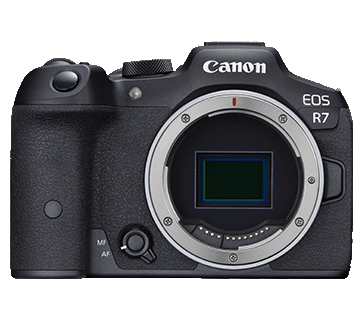
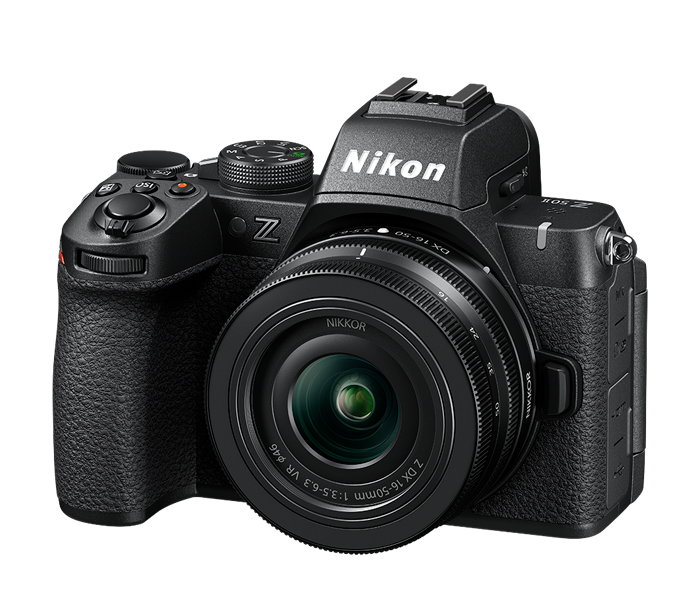
The Canon EOS R7 and the Nikon Z50II are two popular options for photography enthusiasts seeking high-quality APS-C mirrorless cameras. Both models offer a blend of advanced features suited for various shooting scenarios, making them a common comparison for photographers transitioning from entry-level DSLRs or looking for a lightweight, versatile option for travel or everyday use. Key differentiators include sensor resolution, autofocus capabilities, video performance, and build quality, which will help potential buyers identify the right fit for their needs.
Specifications Comparison
Detailed Comparison
Image Quality
The Canon EOS R7 boasts a higher resolution with 33 megapixels, allowing for greater detail retention and larger prints compared to the 21 megapixels offered by the Nikon Z50II. This aspect is particularly beneficial for landscape and studio photographers who need to capture minute details. Additionally, the EOS R7 features a native ISO range of 100-32,000, which is suitable for low-light work, albeit the Nikon has an expanded ISO range of up to 204,800. While this allows for greater versatility in extreme low-light scenarios, the actual image quality may be compromised at those high settings.
On the other hand, both cameras have APS-C sensors, and while the larger sensor size of the Nikon Z50II enhances its low-light capabilities, real-world usage shows that the Canon R7 generally edges out the Z50II when it comes to color depth and dynamic range. Therefore, for photographers priding themselves on image quality, especially in challenging lighting conditions, the R7 may prove to be the better option, although both cameras produce excellent images under typical usage conditions.
Autofocus System
The Canon EOS R7 features an impressive autofocus system with 651 focus points that cover a wide area of the frame, leveraging Canon's Dual Pixel CMOS AF technology. This extensive coverage leads to better tracking of moving subjects, making it an excellent choice for sports and wildlife photography. With features like Eye AF, it can easily lock onto a subject's eye, significantly aiding portrait photography.
In contrast, the Nikon Z50II has a more modest autofocus system with 231 focus points. Although this system is generally competent for everyday photography and performs well in most situations, it does not match the R7's prowess in fast-moving or complex scenes. Consequently, for users who prioritize fast and accurate autofocus, particularly in dynamic shooting scenarios, the EOS R7 stands out as the clear leader.
Video Capabilities
When it comes to video recording, the Canon EOS R7 offers superior specifications with the capability to shoot 4K video at 30 frames per second. This allows for high-quality video content creation without a crop factor, which is a significant advantage for videographers looking to maximize their shooting potential with a full-frame view.
The Nikon Z50II, meanwhile, supports 4K video but with a notable crop factor that limits its versatility compared to the R7. Additionally, the lack of in-body stabilization in the Z50II can result in less stable footage, making handheld shooting more challenging. Overall, for those keen on creating professional-grade videos, the Canon EOS R7 shows a clear advantage.
Build & Ergonomics
Both cameras are designed with usability in mind, featuring electronic viewfinders and fully articulated LCD screens, but their builds reflect different philosophies. The Canon EOS R7 is slightly bulkier and heavier at 612g, providing a solid feel that many photographers may prefer for stability during long shoots. Its weather-sealed body is a bonus for outdoor photographers.
On the other hand, the Nikon Z50II is more compact and lightweight at 550g, making it a great option for travel photographers or those looking for portability without sacrificing significant features. While both cameras come with weather sealing, the increased durability of the R7 may appeal to those working in harsher environments. Thus, the choice between them may boil down to the user's preferences in weight versus build strength.
Battery & Storage
The Canon EOS R7 showcases superior battery life, rated for approximately 660 shots per charge, which is a significant advantage for photographers needing to shoot extensively without frequent recharges. This long duration is critical for events or travel where charging opportunities may be limited.
In comparison, the Nikon Z50II's battery life is rated for only 250 shots, which may necessitate carrying extra batteries for extended shooting sessions. Both models use different types of storage cards, with the EOS R7 supporting dual card slots, enhancing its appeal for serious photographers needing to ensure data redundancy or manage card space effectively. Overall, for users prioritizing longevity and storage flexibility, the EOS R7 clearly excels.
Value for Money
The Canon EOS R7 is priced at $1499, reflecting its broader feature set and superior specifications, positioning it as an investment for those serious about their photography. With its advanced autofocus, superior image quality, and overall versatility, it caters well to enthusiasts and professionals alike.
In comparison, the Nikon Z50II is more affordable and could be seen as more appealing to casual photographers or those new to the world of photography who perhaps do not require the advanced features of the R7. However, the gap in capability may warrant the extra expenditure for users who can leverage the advanced features. Ultimately, determining value for money hinges on the user's individual needs and budgets, favoring the R7 for those needing performance and the Z50II for those prioritizing a tighter budget.
Our Verdict
Overall, the Canon EOS R7 emerges as the winner in this comparison thanks to its superior image quality, advanced autofocus system, and better video capabilities. These strengths make it ideal for enthusiasts and professionals looking for a robust and versatile option. Conversely, the Nikon Z50II, with its lighter build and lower price point, may better suit casual photographers or those embarking on their photography journey. Therefore, while the R7 is excellent for those who need high performance, the Z50II remains a compelling choice for budget-focused users.