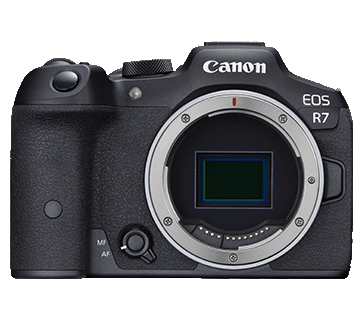

The Canon EOS R7 and Fujifilm X-T5 are two exceptional mirrorless cameras that often find themselves in comparison, particularly among enthusiasts and semi-professional photographers who seek high-quality imaging in a compact body. Both cameras cater to those who prioritize image quality, rapid autofocus capabilities, and advanced video features, providing compelling options for varying types of photography and videography. Key differentiators include sensor resolutions, ISO performance, autofocus systems, and ergonomic designs, which are vital aspects creators consider when investing in a new camera system.
Specifications Comparison
Detailed Comparison
Image Quality
The Canon EOS R7 features a 33-megapixel APS-C sensor, delivering impressive resolution and fine detail, making it excellent for wildlife and landscape photography. In comparison, the Fujifilm X-T5 boasts a higher resolution of 40 megapixels, allowing for even greater detail, particularly beneficial in large prints or cropping scenarios. Both sensors produce vibrant colors and excellent performance in various lighting conditions. However, when it comes to high ISO performance, the R7 has a native range of 100-32000 while the X-T5 has a slightly broader native range of 125-12800 and an expanded range up to 51200, which may provide more leeway in extremely low-light situations. Overall, while Canon excels at color accuracy and detail retention, Fujifilm's sensor gives a slight edge in resolution and shadow detail at high ISOs.
Autofocus System
Canon has implemented a robust autofocus system in the EOS R7 with a staggering 651 AF points, providing extensive coverage and precision tracking, especially advantageous for fast-moving subjects. The autofocus performance is complemented by Canon's Dual Pixel AF technology, which yields smooth focusing transitions. Meanwhile, the Fujifilm X-T5, with 425 AF points, maintains commendable tracking capabilities, but it falls short in point density when compared to the R7. Both systems perform admirably in various conditions, yet Canon's comprehensive AF system might be more suitable for action-oriented photography. In real-world tests, the R7 tends to capture more precise images of dynamic subjects, making it potentially a better choice for sports and wildlife photographers.
Video Capabilities
Both the Canon EOS R7 and Fujifilm X-T5 lead the market in video capabilities for APS-C cameras. The R7 excels with 4K video capture at 30p, which provides a solid foundation for vlogging and cinematic projects. On the other hand, the X-T5 also offers 4K recording at up to 60p, making it a more versatile option for filmmakers looking to create smooth and high-resolution content. Additionally, the X-T5 includes 10-bit internal recording, providing better post-production color grading flexibility compared to the R7's 8-bit recording. Moreover, the X-T5 boasts advanced video features, such as F-Log and other film simulations that Fujifilm is renowned for, further enhancing its video prowess. Therefore, for video-centric creators, the X-T5 edges ahead with superior recording capabilities.
Build & Ergonomics
In terms of build quality, both cameras are weather-sealed, providing durability in challenging conditions. The Canon EOS R7 is slightly larger and heavier, weighing 612g compared to the X-T5's 557g, potentially affecting usability over extended periods. Ergonomically, the R7 features a comfortable grip designed for prolonged shooting, whereas the X-T5 incorporates a more retro aesthetic with manual dials that some photographers prefer for tactile control. Both feature electronic viewfinders and tilting screens, making them user-friendly for capturing shots from various angles. Ultimately, the choice may come down to personal preference in handling, as both cameras offer sturdy builds suitable for outdoor use.
Battery & Storage
The Canon EOS R7 outshines the Fujifilm X-T5 in terms of battery life, rated for 660 shots versus the X-T5's 580 shots per charge. This ensures less frequent battery changes, an essential feature for long shoots or travel photography. Additionally, both cameras support standard SD cards, but the X-T5 offers dual card slots, allowing for backup and overflow storage, which can be advantageous for professional use. On the other hand, the R7 also integrates a solid buffer for continuous shooting but lacks dual card slots. Therefore, while the R7 may last longer between charges, the X-T5's dual card slot option adds a layer of reliability for photographers dealing with critical content.
Value for Money
The Canon EOS R7 is priced at $1499, while the Fujifilm X-T5 comes in at a higher price of $1699. For users on a budget, the R7 offers significant value with a competitive feature set, especially in autofocus and battery performance. Conversely, the X-T5 remains a worthy investment due to its superior resolution, extensive video features, and an established ecosystem of lenses and accessories. While both provide excellent value within their respective capabilities, budget-conscious users may favor the R7 without sacrificing performance in many key areas. Ultimately, the decision might hinge on what features are deemed most essential: for action and stills, the R7, but for video and resolution, the X-T5.
Our Verdict
While the Canon EOS R7 performs exceptionally well in autofocus and battery life, the Fujifilm X-T5 edges out overall due to its exceptional image quality and comprehensive video capabilities. Photographers focusing on still images, particularly in dynamic environments where fast autofocus is paramount, will find the R7 an extraordinary option, especially given its competitive price point. In contrast, filmmakers and those requiring high resolution for large prints or extensive multimedia work may lean towards the X-T5, which offers versatility and advanced functionality that justifies its higher price. Ultimately, both cameras shine in their respective niches, making it essential for buyers to consider their primary needs before making a choice.
Canon EOS R7
Fujifilm X-T5
Also Compare
Frequently Asked Questions
Which camera is better for low-light photography?
The Fujifilm X-T5 has a broader ISO range with better high ISO performance, making it more suitable for low-light conditions compared to the Canon EOS R7.
Is the Canon EOS R7 a good choice for sports photography?
Yes, the Canon EOS R7's extensive autofocus system with 651 points and 15 fps burst shooting makes it an excellent choice for sports and action photography.
How important is video capability for my decision?
If video recording is a priority, the Fujifilm X-T5 is the superior choice due to its ability to shoot 4K at 60fps and 10-bit internal recording.
Are both cameras weather-sealed?
Yes, both the Canon EOS R7 and Fujifilm X-T5 are weather-sealed, allowing for use in various environmental conditions.
What camera has better battery life?
The Canon EOS R7 has longer battery life, rated for 660 shots, compared to the Fujifilm X-T5's 580 shots.