Shopping for the best camera under $2,000 opens the door to high-performance models suitable for demanding enthusiasts, content creators, and emerging professionals. In this price range, you'll find both advanced APS-C and full-frame mirrorless cameras, as well as select compact and fixed-lens models that punch well above their weight for travel, street, and everyday use. It's important to consider sensor size, autofocus capabilities, video features, handling, and lens ecosystem when weighing your options. Our rankings evaluate real-world performance, versatility, feature set, and value for money in today's market. We prioritized models with strong image quality, effective autofocus, robust video options, and reliable handling-while highlighting cameras that fit diverse use cases: from travel and vlogging to portraiture and event photography. Each camera here was assessed for how well it serves its intended audience, the longevity of its system, and its current relevance versus newer competitors.
Why Trust This List
Our rankings are based on aggregated opinions from real photographers across Reddit communities, combined with detailed specification analysis. We do not accept payment for placement or use affiliate links that influence rankings.

Fujifilm X100VI
The Fujifilm X100VI takes the top spot for its unique blend of style, portability, and performance in a compact fixed-lens platform. Featuring a high-resolution APS-C sensor and the popular 35mm-equivalent f/2 lens, the X100VI delivers outstanding image quality and color science beloved by street and travel photographers. Its hybrid viewfinder and tactile controls make the shooting experience engaging, while new autofocus improvements and IBIS boost its real-world versatility. For photographers who value an all-in-one solution for everyday, documentary, or street work, the X100VI represents the gold standard-offering premium results with minimal bulk. Its cult following is well-earned, as the X100VI uniquely balances artistic expression with cutting-edge tech.
Pros
- Outstanding image quality in a compact, stylish body
- Hybrid optical/electronic viewfinder for versatile shooting
- Excellent color science and film simulations
- Reliable autofocus and new in-body stabilization
- Ideal for travel, street, and everyday photography
Cons
- Fixed 35mm lens limits flexibility
- Not ideal for action or telephoto work
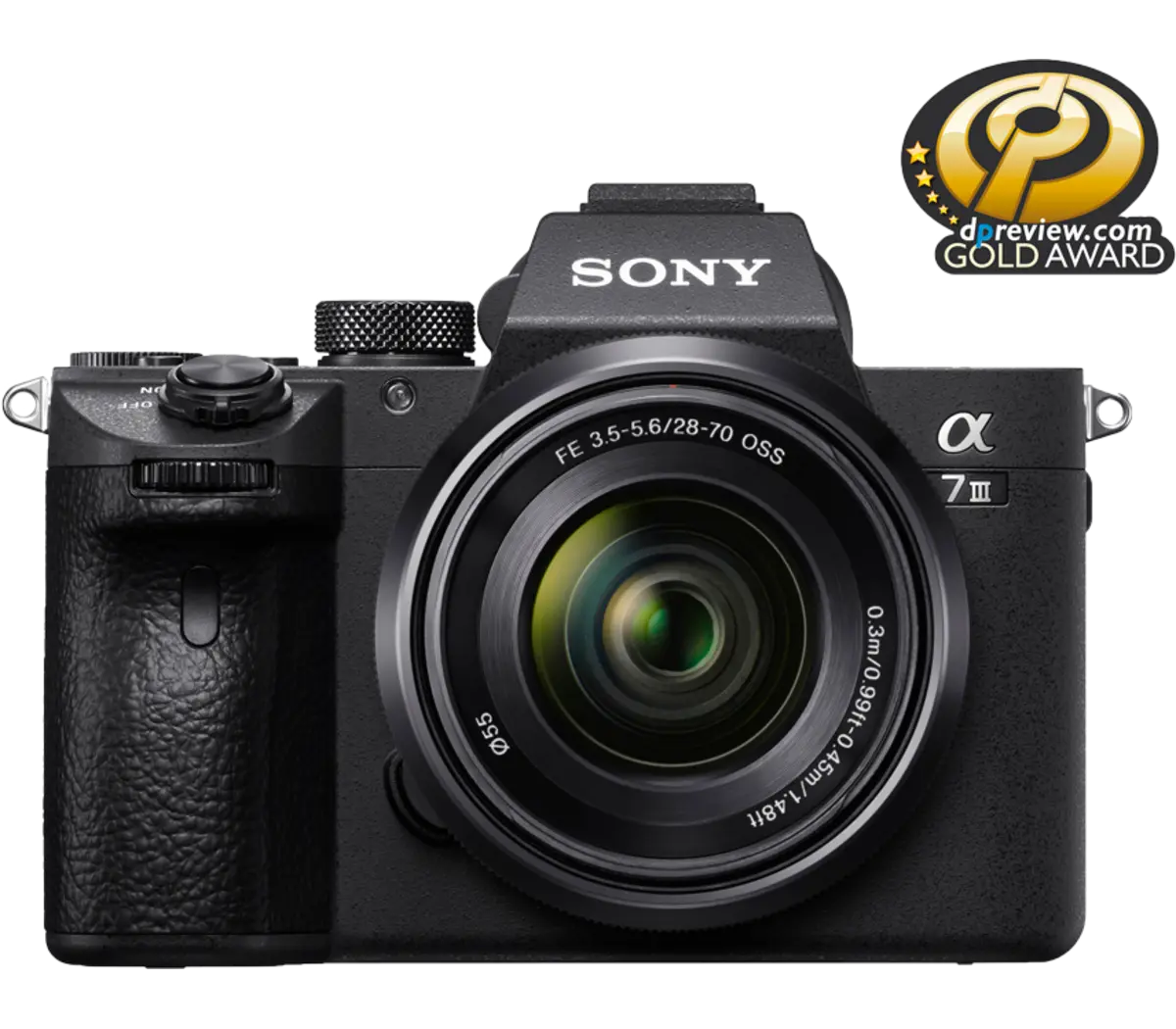
Sony A7 III
The Sony A7 III remains a powerhouse in the full-frame mirrorless segment and stands as the most affordable entry into serious full-frame performance under $2,000. Its 24MP sensor delivers superb dynamic range, strong low-light capabilities, and impressive detail. Autofocus with Eye AF and fast burst rates make it suitable for portraits, events, and even some action. While more recent models have surpassed it in tech, the A7 III's overall package-robust battery life, extensive lens options, and reliable video (4K, S-Log)-keeps it highly competitive for hybrid shooters who demand flexibility and future-proof results.
Pros
- Excellent full-frame image quality and dynamic range
- Fast, reliable autofocus with Eye AF
- Good 4K video features for hybrid creators
- Long battery life
- Huge range of native and third-party lenses
Cons
- Menu system can be complex
- Less advanced AF/video than newer releases
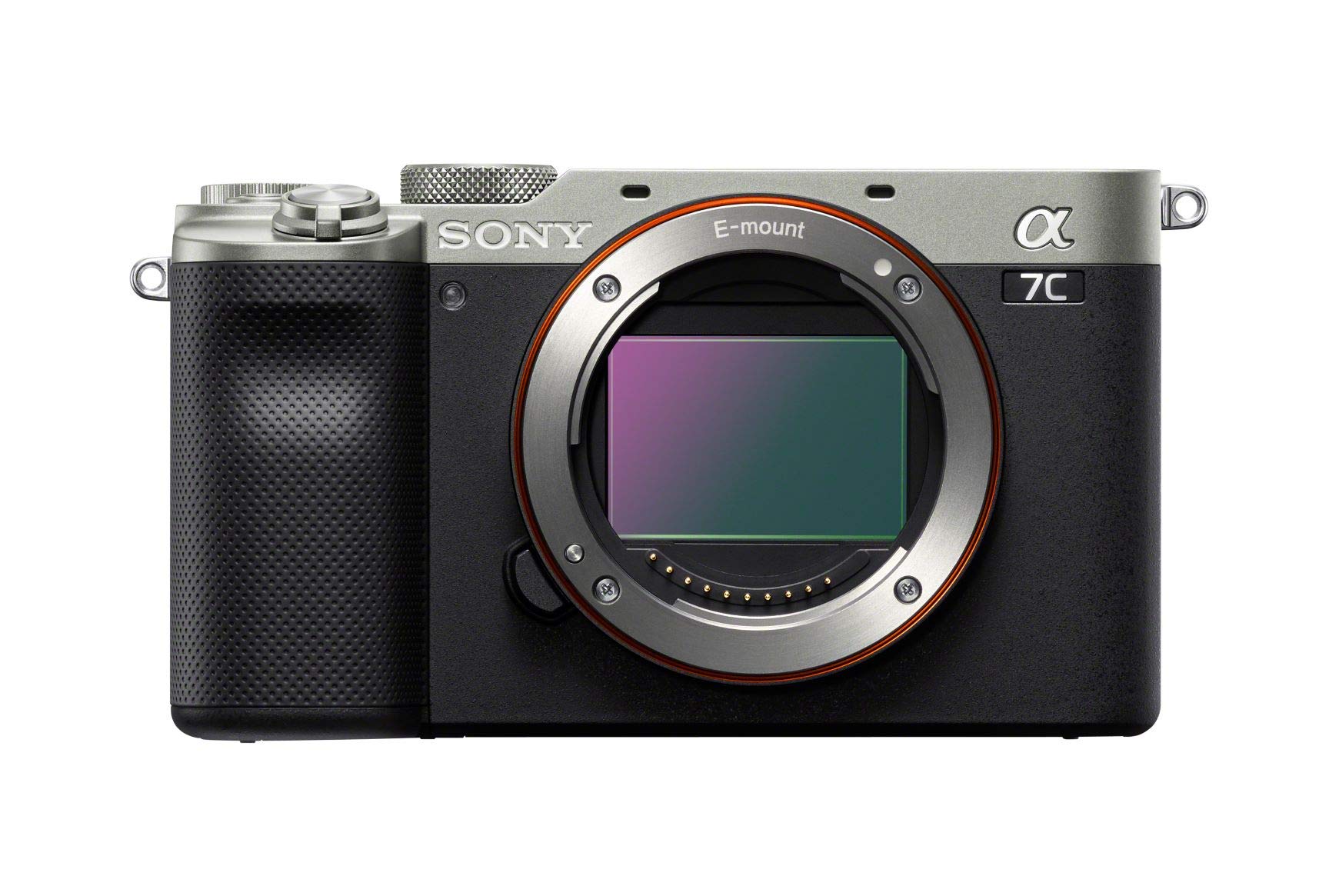
Sony A7C
For those seeking the performance of the A7 series in an even more compact body, the Sony A7C offers full-frame quality with unmatched portability. Its minimalist, rangefinder-inspired design is perfect for travel and vlogging, and the fully-articulating screen adds serious video versatility. The A7C uses the same excellent 24MP sensor and autofocus system as the A7 III, but wraps it in a smaller package for ultimate convenience. This makes the A7C a standout for solo creators, travelers, and anyone who prizes lightweight gear without sacrificing image quality. Drawbacks are few, but the user interface and single card slot remain potential sticking points for professionals.
Pros
- Full-frame image quality in a compact, lightweight body
- Excellent real-time tracking autofocus
- Fully articulating LCD for vlogging and self-shooting
- Solid battery life
- Access to Sony's E-mount lens system
Cons
- Single SD card slot
- Handling less suited to large lenses
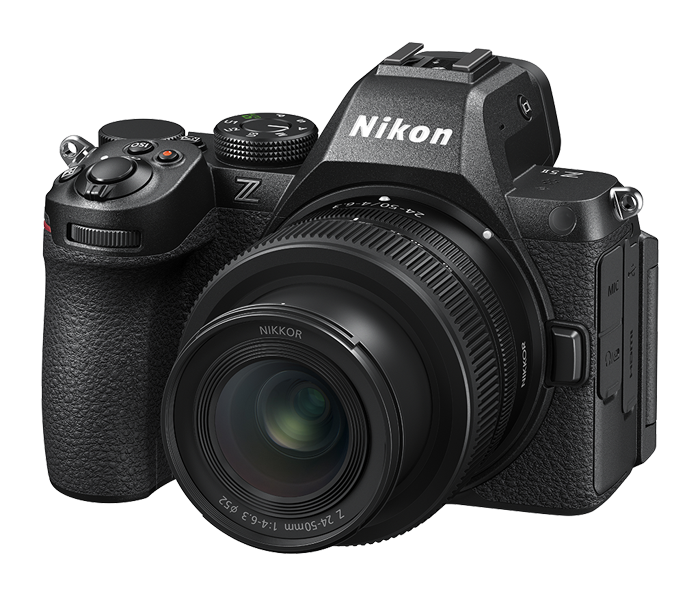
Nikon Z5II
Nikon's Z5II brings full-frame performance to budget-conscious shooters without serious compromise. It improves autofocus and processing speeds over its predecessor, making it viable for portraits, landscapes, and even some action. Its ergonomics and viewfinder set the standard at this price, while the Z mount ecosystem continues to expand. For those invested in Nikon glass or moving up from DSLRs, the Z5II is a reliable, all-around performer. It's less well-suited for advanced video work and blazing-fast action, but its stills quality, weather-sealed body, and accessible price make it a highly recommendable gateway to full-frame.
Pros
- Solid full-frame image quality and dynamic range
- Comfortable ergonomics and weather sealing
- Dual card slots
- Improved autofocus over previous Z5
Cons
- Average burst rate and buffer for action
- Limited video features compared to rivals
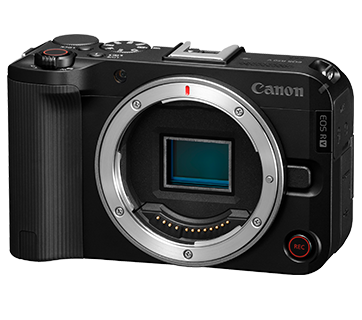
Canon EOS R50 V
The Canon EOS R50 V is aimed at emerging creators who want an affordable, compact way into the Canon mirrorless ecosystem. Its APS-C sensor, versatile autofocus powered by deep learning, and strong video credentials make it a favorite for streamers, social media producers, and casual photographers. It's not the most robust for pro stills work or heavy-duty shooting, but its lightweight form factor, easy connectivity, and Canon's signature color science make it an appealing choice for vlogging, travel, and family documentation.
Pros
- Compact, lightweight design
- Impressive autofocus tracking with subject recognition
- Good video autofocus and 4K support
- Entry into the Canon RF lens mount
Cons
- Build feels less robust than higher-end bodies
- Limited native APS-C RF lens selection
Sony A6600
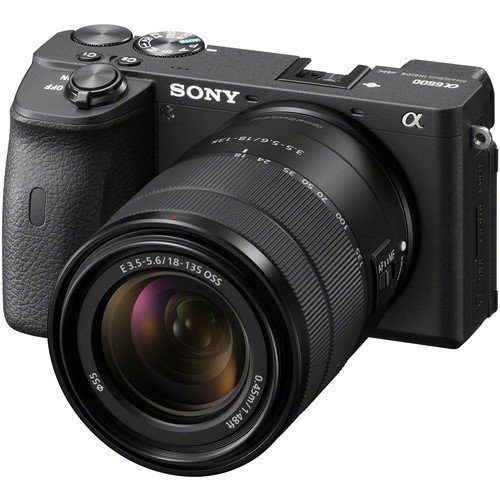
Sony's A6600 is the flagship of the APS-C E-mount line, boasting in-body stabilization and a long-lasting battery. Its reliable autofocus and 4K video make it a favorite for vloggers and advanced enthusiasts needing excellent results in a compact package. However, compared to the newest releases, its screen and menu system feel a step behind, and some users may want more tactile controls. Still, for hybrid shooters wanting a do-it-all camera for travel, event, and everyday content, the A6600 is an excellent value.
Pros
- In-body image stabilization
- Reliable real-time autofocus
- Excellent battery life for mirrorless
- Strong 4K video quality
Cons
- Dated menu/interface
- Screen tilt mechanism less ideal for vlogging
Sony A6400
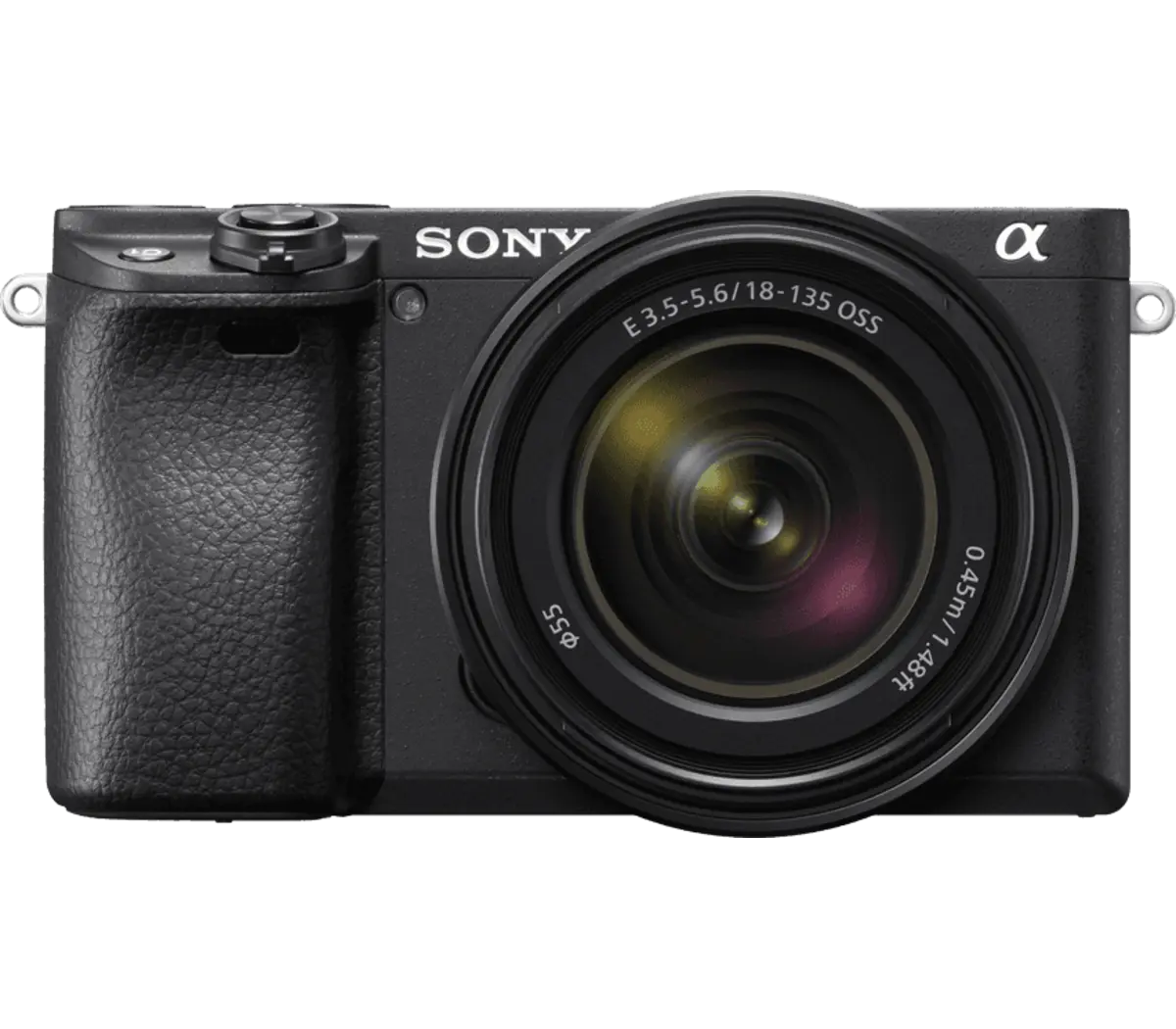
The Sony A6400 combines compact size, excellent autofocus, and solid image quality. Its fast Eye AF and real-time tracking are standouts in the APS-C class, making it ideal for street, family, and beginner content creators. The 180-degree flip screen appeals to vloggers and one-person teams. However, it lacks in-body stabilization (IBIS), and ergonomics are less refined than on newer rivals. The A6400 is best for shooters who prioritize autofocus and video features without the premium price tag.
Pros
- Class-leading autofocus for its class
- Strong image quality for APS-C
- 180-degree flip screen for vlogging
- Good value in Sony's E-mount system
Cons
- No in-body stabilization
- Handling not as refined as newer models
Sony ZV-E10
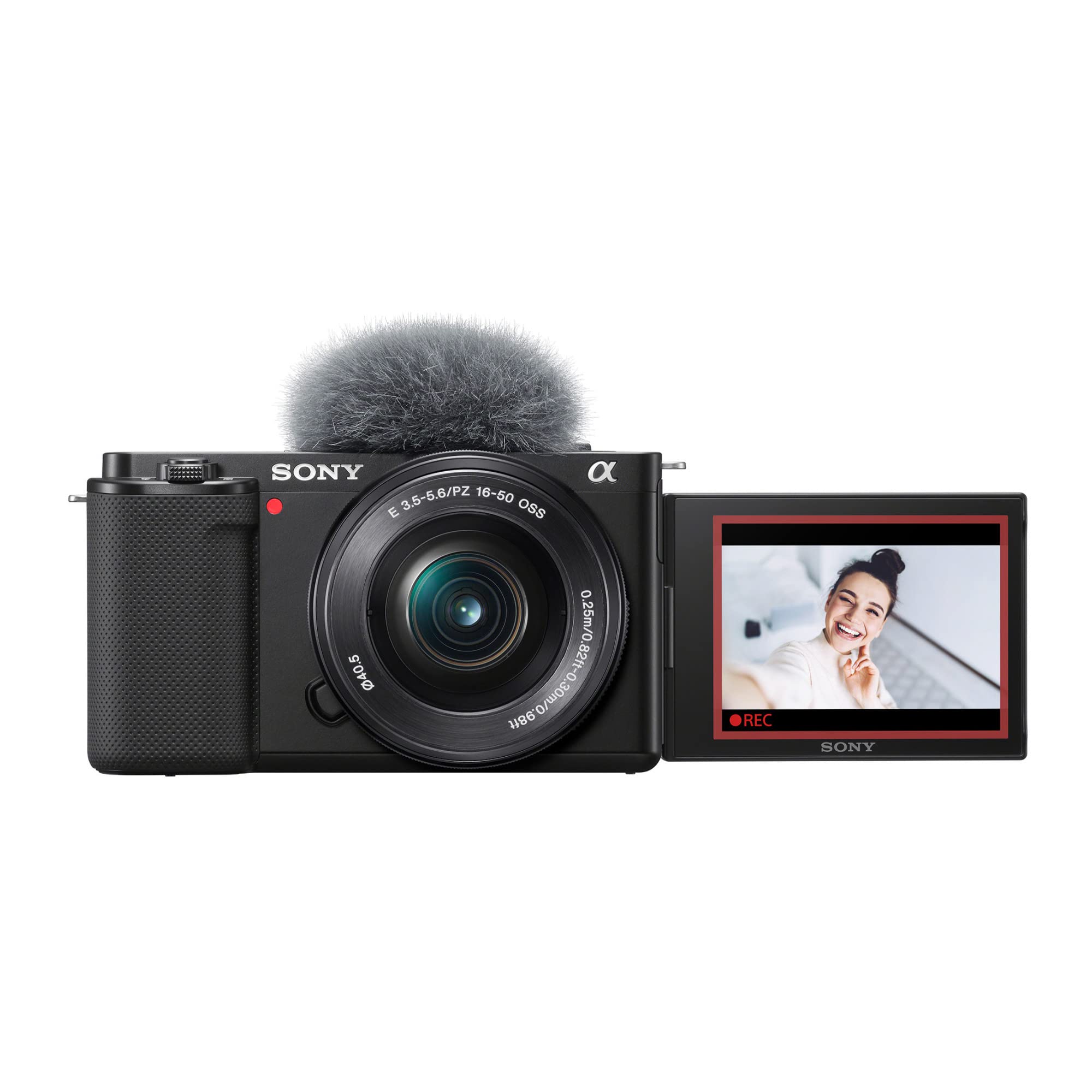
Targeted squarely at vloggers and DIY content creators, the ZV-E10 optimizes Sony's proven A6000-series tech for video-first workflows. Its excellent autofocus, fully articulating LCD, and strong microphone array make it a standout for those prioritizing content creation over stills. Drawbacks include the lack of an electronic viewfinder and IBIS, but the price and features make it a compelling option for beginners and upgraders focused on video and streaming.
Pros
- Optimized ergonomics for video creation
- Excellent tracking autofocus
- Articulating screen for self-recording
- Attractive price point
Cons
- No viewfinder
- No in-body image stabilization
Sony A6100
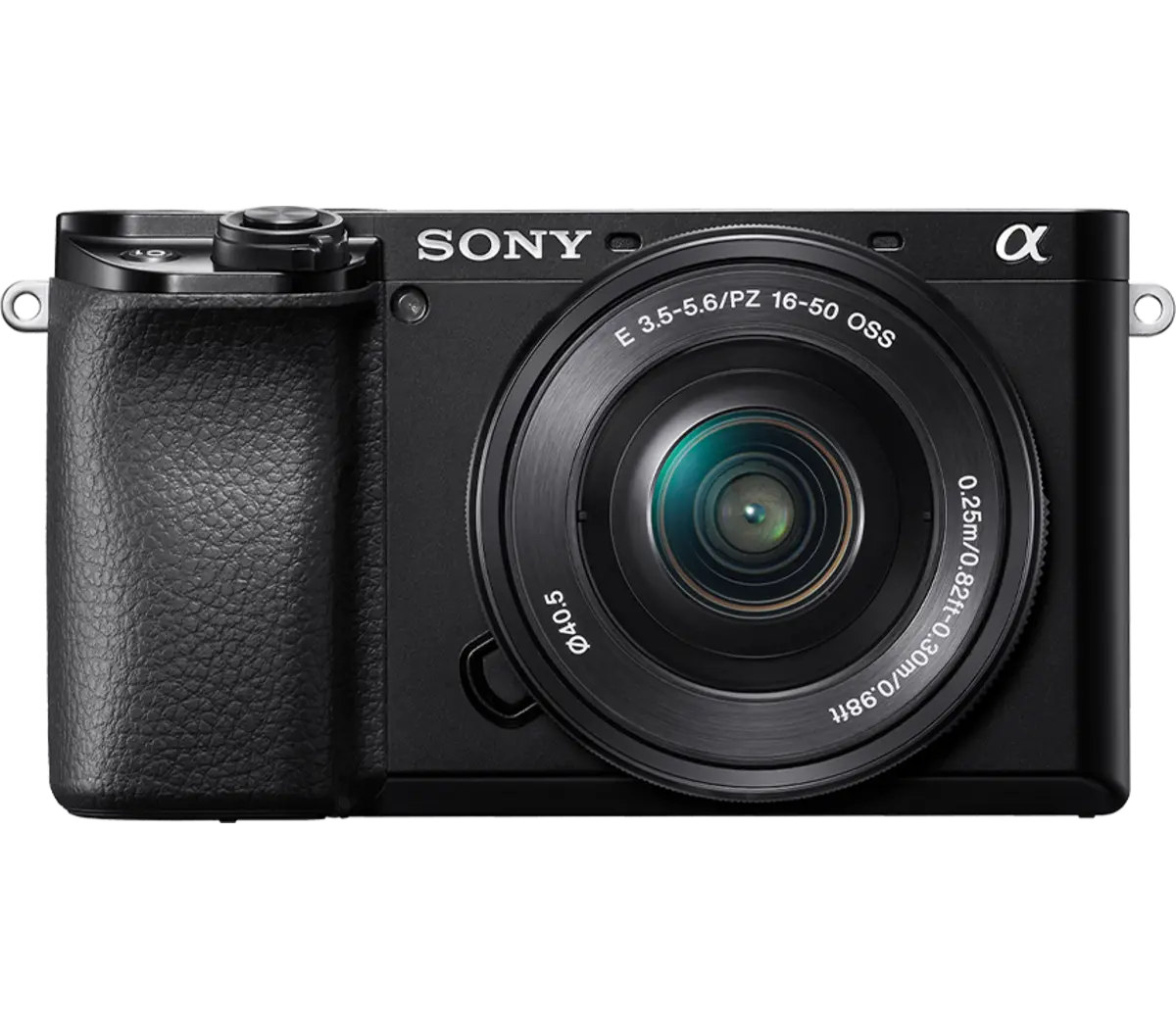
The A6100 is the entry point to Sony's popular APS-C mirrorless system, offering reliable autofocus, good image quality, and a compact package. It's a value choice for hobbyists, travelers, and those who want simple but effective performance for everyday shooting and the occasional video blog. Its low price and feature set are its main appeals, but the lack of IBIS, a lower-resolution viewfinder, and a dated body design hold it back from matching higher-tier siblings for demanding shooters.
Pros
- Excellent autofocus for price
- Good image quality and responsive performance
- Compact and lightweight
Cons
- No in-body image stabilization
- Lower-res EVF and dated body design
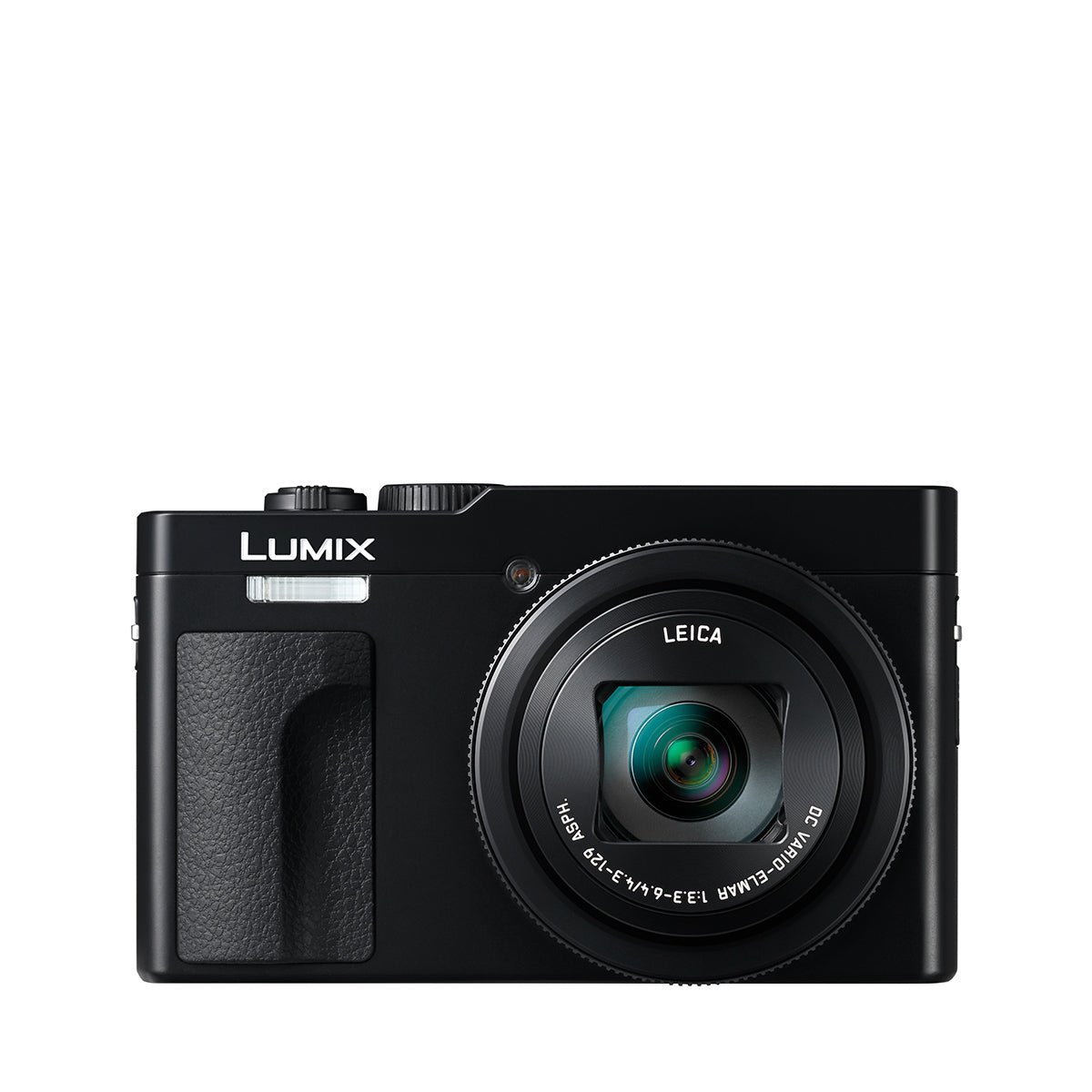
Panasonic ZS99
The Panasonic ZS99 stands out as the best all-in-one travel compact in this lineup, offering a far-reaching zoom lens in a pocketable body. Its sensor performance doesn't match the APS-C or full-frame competitors, but the convenience of 4K video, a tilting screen, and effective IS make it a great choice for vacationers, families, and casual shooters seeking simplicity and reach. If portability and telephoto range matter more than interchangeable lenses or professional video, the ZS99 is an excellent point-and-shoot champion for 2024.
Pros
- 20x zoom covers wide-to-telephoto for any situation
- Very compact and travel-friendly
- Touchscreen interface with good usability
- Solid 4K video with stabilization
Cons
- Small sensor limits low-light performance
- Fixed lens limits depth-of-field control
You Might Also Like
Frequently Asked Questions
Should I choose an APS-C or full-frame camera under $2,000?
Both APS-C and full-frame cameras in this price range offer excellent quality, but each suits different needs. Full-frame cameras provide better low-light performance, wider dynamic range, and shallower depth of field-ideal for professional work, portraits, and landscapes. APS-C cameras are generally lighter, more compact, and offer better value for travel, street, and casual photography. Consider your primary subjects, lens investment, and desired portability.
What features matter most for video and content creators?
For video-focused buyers, prioritize cameras with reliable autofocus during video, microphone/selfie screen options (such as a fully articulating LCD), clean HDMI output, and strong battery life. Some models add in-body image stabilization (IBIS) and robust audio options, which greatly enhance handheld vlogging and streaming versatility. 4K video is now common but look for 4K with minimal crop and good autofocus tracking.
How important is lens selection when buying into a camera system?
Lens availability is crucial, especially if you expect to expand beyond your kit lens. Canon RF and Nikon Z APS-C lines have fewer dedicated lenses than Sony E-mount, which benefits from years of third-party support. For fixed-lens or compact models, make sure the built-in lens fits your style (wide for travel/street, zoom for all-in-one flexibility).
Are older camera models still worth buying in 2024-2025?
Yes! Many 'previous-generation' models, such as the Sony A7 III or A6400, remain highly competitive due to strong sensor performance and robust feature sets. While newer cameras may offer faster processors, improved AF, or better screens, the overall image and video quality of older models still satisfy most enthusiasts and creators. Going with a slightly older camera often means better value.
How do I decide between a compact, fixed-lens, and interchangeable-lens camera?
Your shooting style should guide your choice. Fixed-lens models like the Fuji X100VI offer simplicity and portability without lens swapping-perfect for travel, street, and lifestyle shooters. Interchangeable-lens cameras are more versatile, letting you tailor your system for sports, landscapes, portraits, and more. Compacts like the ZS99 are unbeatable for convenience and all-in-one flexibility, particularly on trips where size and zoom matter most.