Choosing the best camera under $1,500 is an exciting challenge given today's diverse lineup of feature-rich models. For enthusiasts and advanced beginners, this price point is a sweet spot: you'll find cameras with fast autofocus, impressive image quality, and modern connectivity, whether you're after a travel-friendly compact, a powerful mirrorless body, or a versatile model for both stills and video. Key factors to consider are sensor size, autofocus capability, burst speed, lens ecosystem, and usability for your preferred photography or videography style. In this ranking, we evaluated each product for its real-world imaging performance, feature set, and value for money. We primarily considered models best described as stand-alone cameras (not lenses), weighted by their sensor size (APS-C models typically outperform compacts), design, video abilities, autofocus, and the quality and flexibility of their brand's lens system. We also considered each camera's strengths for popular use cases such as travel, action, vlogging, and everyday photography. Here's how the contenders stack up.
Why Trust This List
Our rankings are based on aggregated opinions from real photographers across Reddit communities, combined with detailed specification analysis. We do not accept payment for placement or use affiliate links that influence rankings.
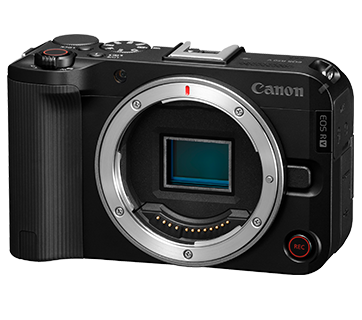
Canon EOS R50 V
Canon's EOS R50 V is the standout winner in this category, offering outstanding contemporary autofocus, a high-quality APS-C sensor, and beginner-friendly ergonomics packed into a lightweight, modern mirrorless design. Its 2025 release ensures cutting-edge subject tracking and video features, including 4K video and advanced connectivity, making it ideal not only for hobbyists upgrading from smartphones but also for content creators seeking an all-rounder that won't break the bank. Integration with the expanding Canon RF lens ecosystem gives users futureproof flexibility and room to grow. Compared to rivals, the R50 V edges ahead thanks to Canon's exceptional color science, effortless user interface, and broader appeal for both photography and vlogging. For travelers, students, and YouTube creators, this is one of the most accessible entry points into an advanced camera system.
Pros
- Superb Dual Pixel autofocus and tracking
- Compact, beginner-friendly body with modern RF mount
- Strong image quality and low light performance
- Excellent 4K video features with good audio options
Cons
- Limited native affordable RF lenses versus older mounts
- APS-C sensor-full-frame requires pricier models
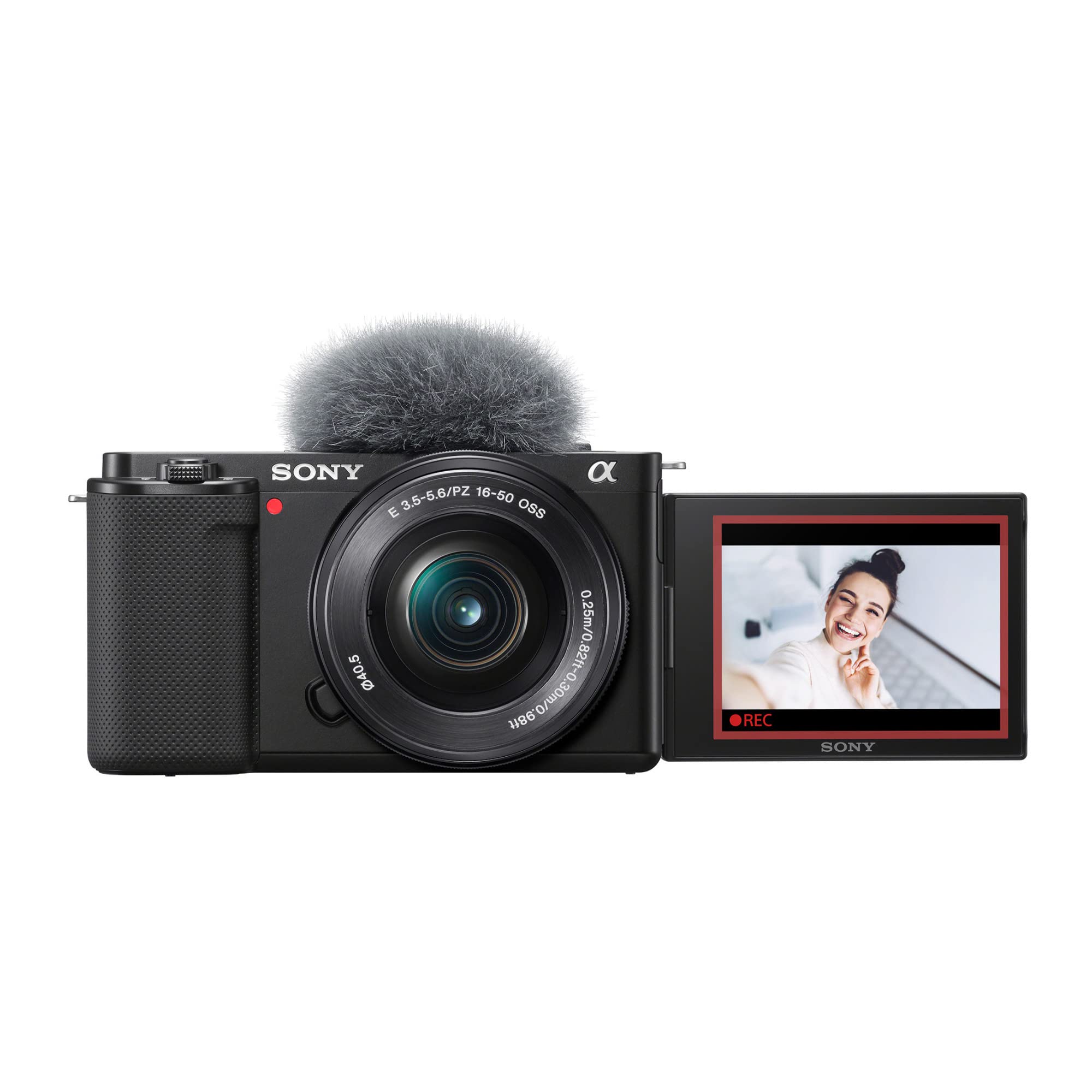
Sony ZV-E10
The Sony ZV-E10 is purpose-built for content creators and vloggers, blending Sony's reliable 24MP APS-C sensor with advanced autofocus, great audio features, and a fully articulating screen. Launched as part of Sony's vlogging lineup, it provides 4K video, fast subject tracking, and excellent integration with the massive Sony E-mount lens lineup. The camera's compact size, versatile controls, and USB streaming make it a smart pick for hybrid shooters who want both strong stills and high-quality video in a portable body. Where it stands out is in its clear focus on video and creator features-like product showcase mode and optimized microphones-unmatched in this price bracket. It slightly trails the R50 V in ergonomics and color rendering but remains the most natural choice for solo shooters and aspiring YouTubers.
Pros
- Great 24MP sensor with fast Real-Time Tracking AF
- Lightweight, with fully articulating (selfie) screen
- Strong 4K video options and vlogging-centric audio/mic features
- Broad Sony E-mount lens ecosystem
Cons
- No electronic viewfinder (EVF)
- Not weather-sealed
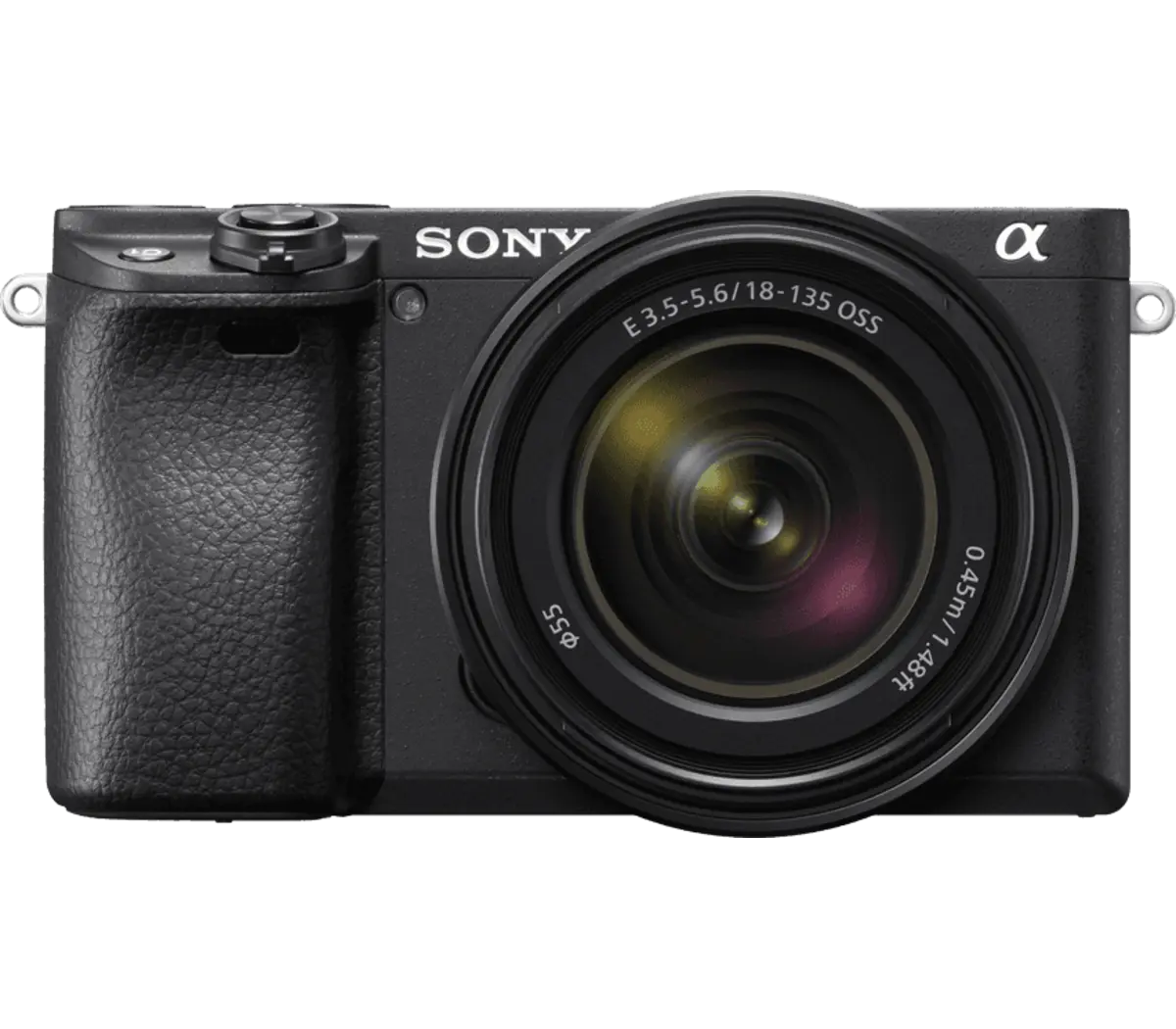
Sony A6400
Sony's A6400 brings proven photography credentials and robust video performance in a small, durable body. It shares the same excellent 24MP sensor and autofocus technology as the ZV-E10 but adds an integrated EVF and a sturdier, more versatile design, suitable for both serious photography and video projects. The customizable controls and long battery life make it a great partner for shooting events, street photography, and travel, while its rapid autofocus and strong continuous shooting make it a favorite among sports and action photographers. While its user interface is less streamlined for true beginners or vloggers, the A6400 is the most photographer-focused Sony APS-C under $1,500, balancing versatility and high-end features for ambitious shooters.
Pros
- Class-leading Real-Time Eye AF and fast shooting (11 fps)
- Built-in electronic viewfinder (EVF) in a compact body
- Excellent video quality with unlimited recording time
- Broad lens selection through the Sony E-mount
Cons
- No in-body image stabilization (IBIS)
- Menu system can be complex for newcomers
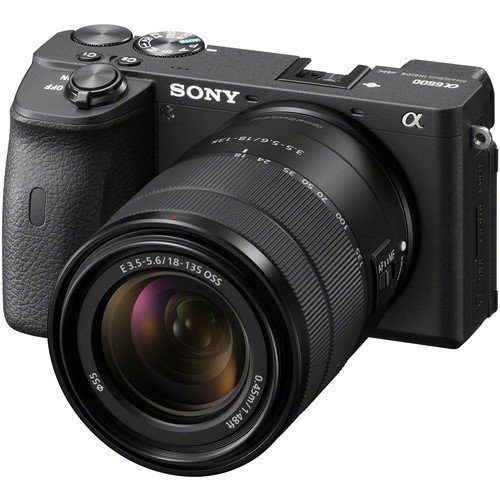
Sony A6600
As Sony's flagship APS-C model, the A6600 packs even more advanced features, including in-body image stabilization (IBIS), a larger grip, and phenomenal battery life. Targeted at demanding shooters, it excels for sports, wildlife, and situations needing extra stabilization. The A6600 is also highly competent for video, offering strong autofocus, profile options, and headphone/mic ports. However, its higher price within this bracket and older design make it a bit less appealing now that newer or more user-friendly models have arrived, and it lacks some of the ZV-E10's vlogger-specific features. For photographers who want the most advanced Sony APS-C stills camera with added stabilization for hand-held work, the A6600 remains an excellent but more specialized pick.
Pros
- In-body image stabilization (IBIS)
- Outstanding AF and long battery life
- Solid build quality and big grip
- Compatible with all Sony E-mount lenses
Cons
- Heavier and more expensive for APS-C
- Screen only flips up (not fully articulating)
Sony A6100
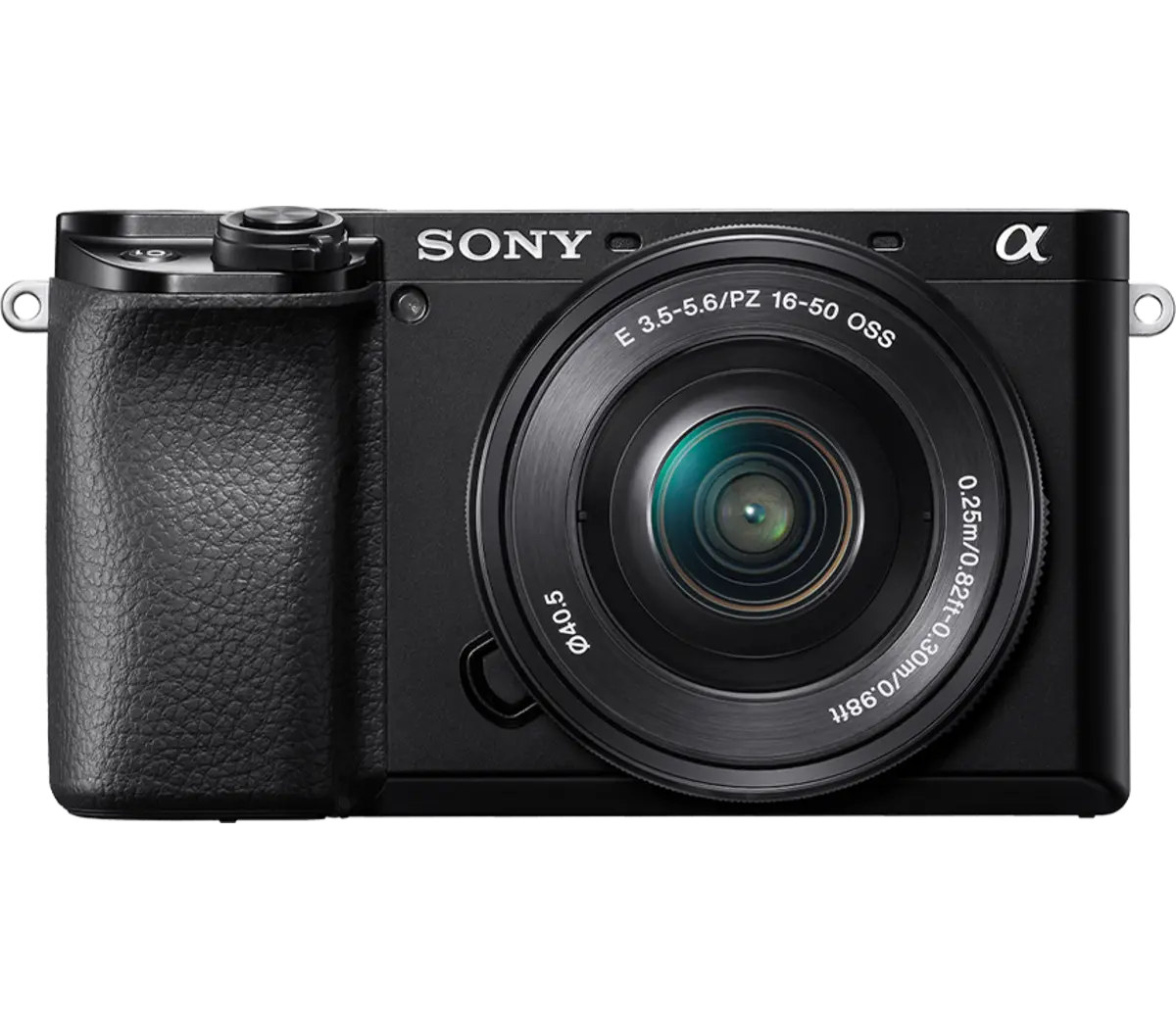
The Sony A6100 is the most affordable entry point to Sony's highly regarded APS-C mirrorless lineup. It inherits fast autofocus, good JPEG quality, and compact proportions from its higher-end siblings, making it ideal for everyday shooting, beginners, or as a travel companion. While it forgoes some luxury features like in-body stabilization and a magnesium alloy body, it still delivers outstanding image quality and performance for the price. If you want to step up from smartphone photography without overwhelming complexity, the A6100 is a fantastic value, though it feels less futureproof and robust compared to the newer R50 V or feature-rich Sony models above.
Pros
- Very fast Real-Time AF for people and animals
- Lightweight and affordable
- Solid 24MP image quality
- Access to wide range of E-mount lenses
Cons
- No in-body image stabilization (IBIS)
- Lower-quality EVF and plastic-heavy build
Panasonic ZS99
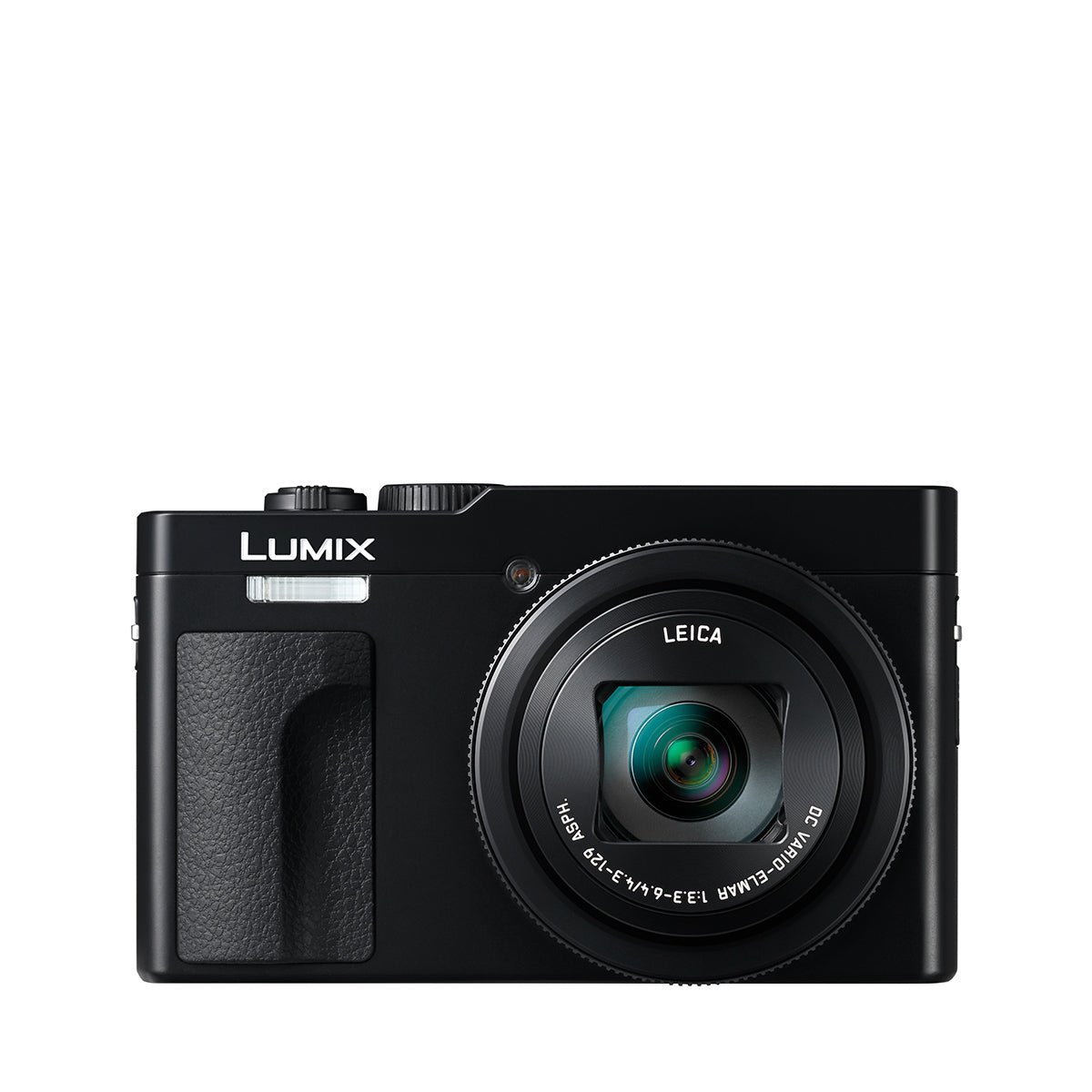
The Panasonic ZS99 stands apart as the only compact with a fixed lens in this group, packing a long-reach 30x optical zoom into a surprisingly pocketable travel camera. Its small sensor can't match the APS-C rivals for overall image quality or low-light ability, but the ZS99 delivers where portability and versatility are key. Well-suited to travel, family events, and even casual wildlife shooting thanks to its massive zoom, the ZS99 is a reliable choice for those prioritizing convenience over ultimate image quality. For buyers wanting a do-it-all vacation camera with excellent zoom and no lens swapping, this Panasonic is among the best under $1,500.
Pros
- Huge 30x optical zoom in a compact body
- Touchscreen and good in-camera stabilization
- RAW support and robust travel features
Cons
- Small sensor limits low-light and dynamic range
- Not suitable for shallow depth-of-field portraits
You Might Also Like
Frequently Asked Questions
Should I buy an APS-C mirrorless camera or a compact camera under $1,500?
APS-C mirrorless cameras offer much better image quality, interchangeable lenses, and faster autofocus, making them great for general photography, action, and creative growth. Compact cameras, like the Panasonic ZS99, are better for travelers who value portability, an all-in-one zoom, and simplicity. Choose APS-C for flexibility and future growth; choose compact for maximum convenience.
Is autofocus performance important under $1,500?
Absolutely. Modern cameras like the Canon R50 V and Sony APS-C lineup have extremely fast and accurate autofocus, crucial for kids, pets, sports, and vlogging. Older or entry-level models may lag in subject tracking, so prioritize newer models with real-time eye or subject AF for best results.
How important is 4K video in this segment?
4K video support is now standard in most new cameras under $1,500, and it's a must-have if you want crisp video for YouTube, TikTok, or future-proof personal projects. Look for cameras with good 4K quality, external audio options, and face-tracking autofocus for vlogging or home video work.
What's the benefit of a large lens ecosystem?
A large lens ecosystem ensures you can get specialized optics-like fast primes, wide zooms, and macro lenses-to match your creative goals. Brands like Sony and Canon offer a huge selection, making it easy to upgrade or personalize your kit as your skills grow.
What accessories should I budget for beyond the camera?
Don't forget memory cards (UHS-I or UHS-II for video), extra batteries, a protective bag, and at least one additional lens for mirrorless cameras. For video, consider a quality microphone or tripod for better results, as well as a fast computer for post-processing media.