Shopping for the best cameras under $1,000 offers an exciting array of choices for enthusiasts, beginners, and even some advanced users on a budget. In this price bracket, manufacturers deliver impressive features and image quality that rival much pricier models, particularly in the mirrorless APS-C and compact camera segments. This category now also includes strong video options, reliable autofocus, and a wide choice of interchangeable lenses or fixed-lens compacts for travel. When buying a camera under $1,000, consider sensor size (with APS-C balancing image quality and compact size well), autofocus capabilities (critical for action and vlogging), ease of use, lens availability if you choose a system camera, and extra features like in-body stabilization, weather-sealing, or flip screens if you plan to vlog. For this ranking, we've evaluated each camera for image and video quality, shooting speed, versatility, feature set, value for money, and how user-friendly they are for their likely buyers. Our best-of list reflects real-world performance, value, and which cameras best meet the needs of today's content creators, photographers, and families.
Why Trust This List
Our rankings are based on aggregated opinions from real photographers across Reddit communities, combined with detailed specification analysis. We do not accept payment for placement or use affiliate links that influence rankings.
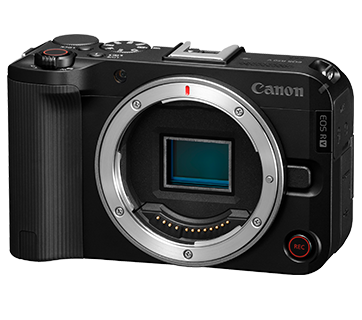
Canon EOS R50 V
Canon's EOS R50 V stands out as the best all-around camera under $1,000, bringing a modern mirrorless design, excellent image quality, and strong video features at an entry-level price point. As the latest model in Canon's RF-mount ecosystem, it offers a notable leap in autofocus speed and subject tracking over older Canon APS-C bodies, and its lightweight build makes it an ideal companion for travel or all-day shooting. For content creators and vloggers, the R50 V's articulating touchscreen, reliable eye autofocus, and uncropped 4K video recording help it punch well above its price. Compared to the Sony A6100 and A6400, the Canon R50 V offers a fresher interface and better vlogging ergonomics, while also matching them in image and autofocus performance. Its RF mount ensures access to Canon's expanding range of modern lenses. Photographers seeking a blend of excellent photos, video capabilities, and future potential should start here.
Pros
- Fast, smart Dual Pixel autofocus with reliable subject tracking
- Fully articulating touchscreen for vloggers and photographers
- Excellent image quality for both photos and video
- Access to Canon's growing RF lens lineup
Cons
- Limited selection of affordable native RF-S lenses (as of 2025)
- No in-body image stabilization
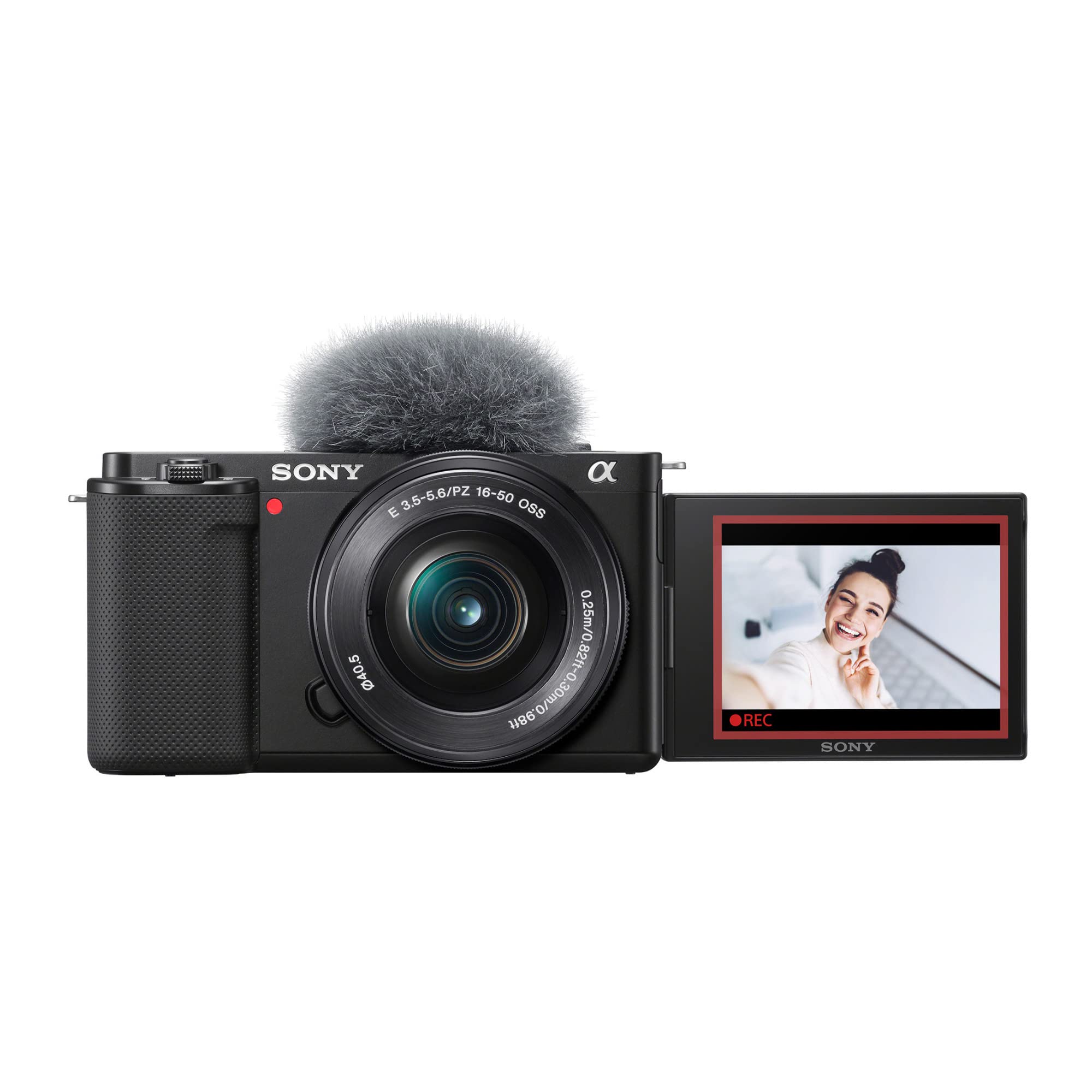
Sony ZV-E10
A top choice for vlogging and video-oriented creators, the Sony ZV-E10 brings Sony's proven 24MP APS-C sensor and fast, accurate Real-time Eye-AF in a package purpose-built for content creators. What really differentiates the ZV-E10 is its compact, featherweight body and side-flip screen, allowing it to excel for handheld and selfie-style shooting. It pairs easy-to-use video controls with strong audio features, including a directional microphone and external mic port, making it a near-perfect solution for new YouTubers or hybrid shooters. Relative to the A6100/A6400, the ZV-E10 borrows their sensor and AF system but optimizes usability for one-person production. Still photographers may prefer one of the Sony A6xxx cameras for their viewfinder, but for video-centric users and streamers, the ZV-E10 is an unbeatable value at this price.
Pros
- Superb autofocus with Real-time Eye AF for people and animals
- Vari-angle LCD for easy vlogging or selfies
- Lightweight; great for handheld and on-the-go
- Excellent onboard microphone quality
Cons
- No electronic viewfinder (EVF) for eye-level shooting
- No in-body image stabilization
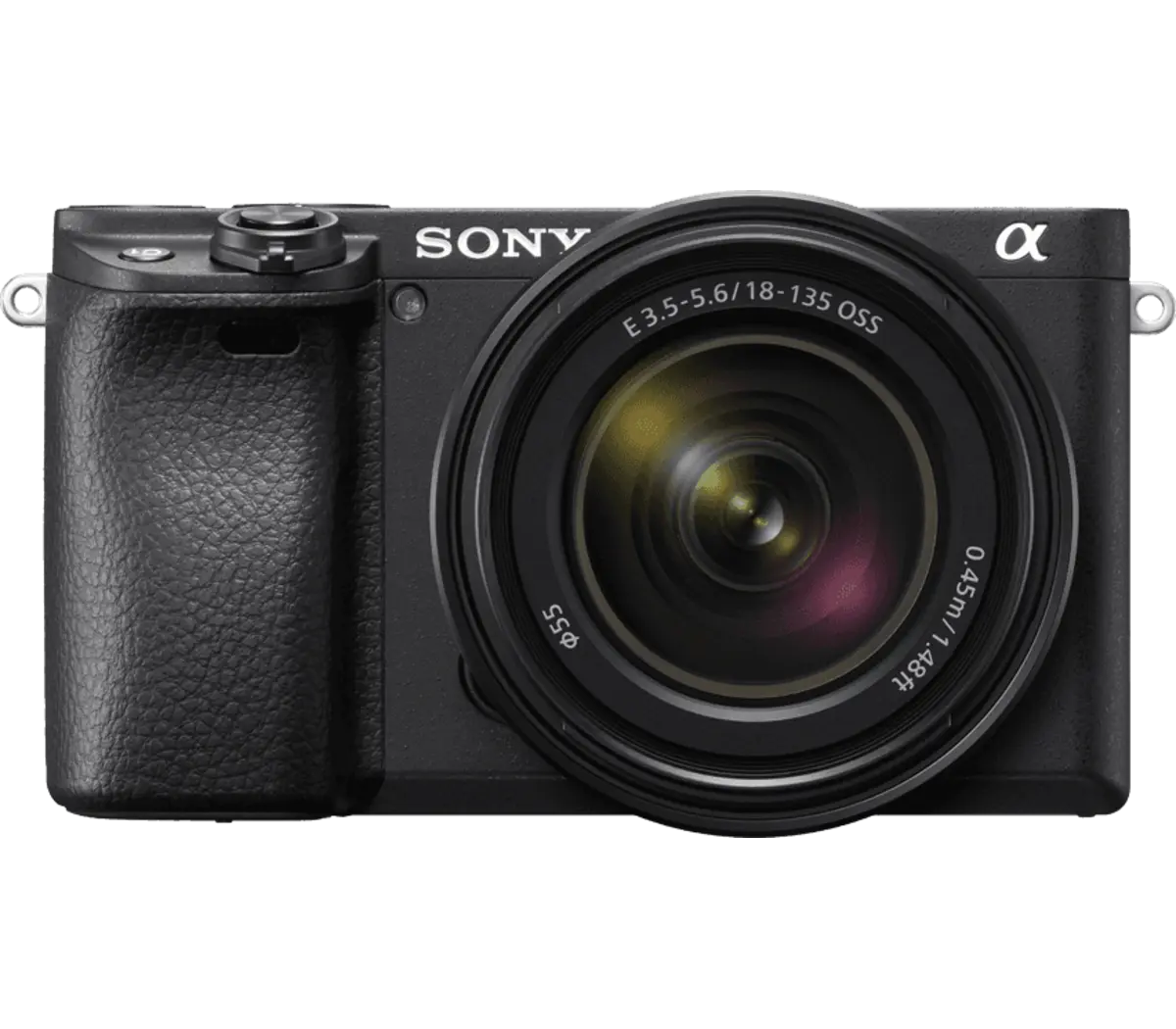
Sony A6400
The Sony A6400 is an established favorite for photographers who want proven performance, robust autofocus, and a compact APS-C interchangeable lens system. Its greatest strength is blazing-fast Real-time Eye AF and subject tracking-still among the best in class. The A6400's tilting screen (though only up, not fully vari-angle) and solid battery life help it excel for street, travel, and family photography, as well as casual video work. Though it lacks some vlogger-friendly features of the ZV-E10 and Canon R50 V, the A6400 offers a viewfinder, more external controls, and extensive lens choice, giving photographers flexibility as their skills grow. It's less optimized for handheld video or selfies, but it's an enthusiast's workhorse-with proven value for hybrid shooters.
Pros
- Best-in-class autofocus tracking and Eye AF
- Solid image quality and low-light performance
- Integrated electronic viewfinder, robust controls
- Large range of native E-mount lenses
Cons
- Screen tilts up but doesn't fully articulate
- No in-body image stabilization; video can look shaky handheld
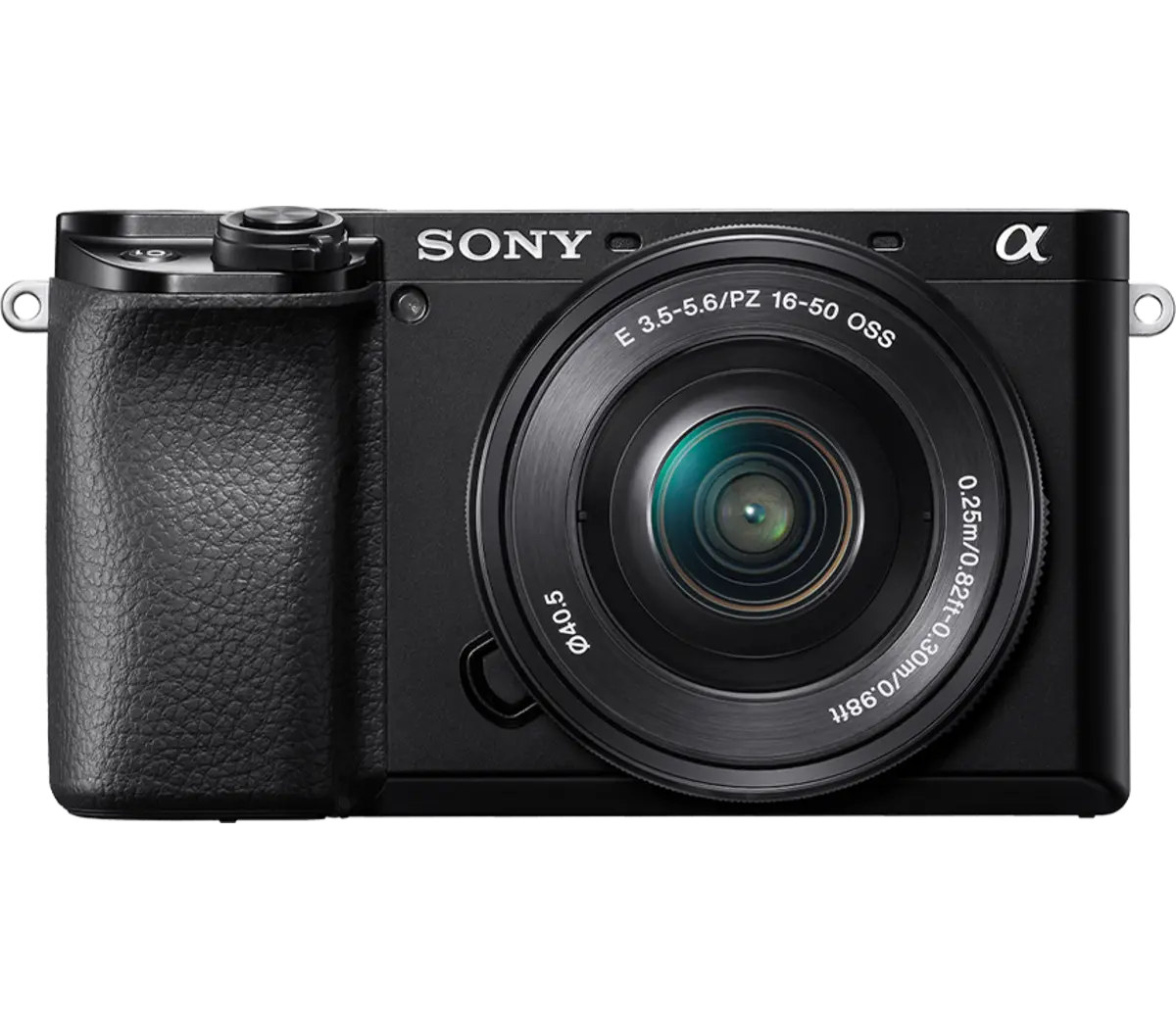
Sony A6100
Sony's A6100 is an excellent all-purpose mirrorless camera that brings class-leading autofocus and speedy burst shooting to hobbyists, families, and travel photographers. Like the A6400, it features rapid, reliable Eye AF and outstanding subject tracking, essential for capturing children, pets, or unpredictable moments. The tilting screen, solid JPEG colors, and light body offer both ease and portability. While it lacks some advanced video options and weather sealing found in higher-end models, the A6100 delivers much of Sony's best technology for stills shooters at a more accessible price. Those focused mainly on photography (rather than serious video) will love the value proposition.
Pros
- Class-leading Real-time Eye AF for people and animals
- Very fast burst speeds for action shots
- Accessible controls, lightweight build
- Broad E-mount lens ecosystem
Cons
- No in-body image stabilization
- No headphone port for video creators
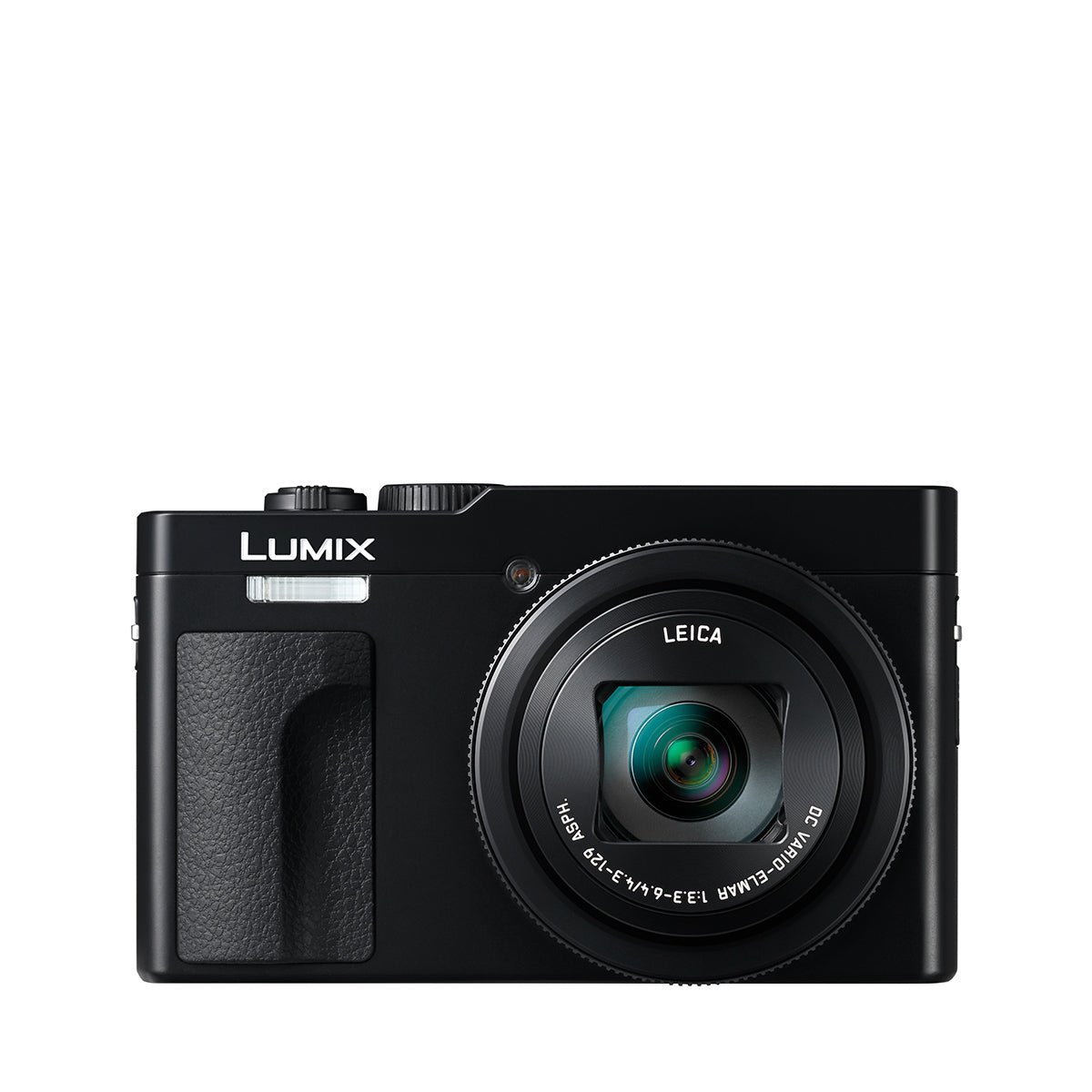
Panasonic ZS99
Panasonic's ZS99 is an all-in-one compact camera ideal for travel, everyday use, and those who want versatility without the hassle of changing lenses. Its standout feature is the huge zoom range in a truly pocket-sized body, making it a top pick for casual shooters, frequent travelers, or parents who want a do-it-all camera. Built-in stabilization and 4K video add creative flexibility, and Panasonic's color science delivers pleasing JPEGs straight from the camera. Compared to APS-C mirrorless models, the ZS99 has a smaller sensor, so low-light performance and subject isolation are more limited. But for those prioritizing portability and a worry-free user experience-no lens swapping, compact size-the ZS99 is an excellent buy.
Pros
- Enormous zoom range in a pocket-sized body
- Built-in stabilization helps with sharp images at long zoom
- 4K video and fast burst shooting
- Great for all-in-one travel solution
Cons
- Smaller sensor limits low-light and background blur
- Not as customizable or upgradable as mirrorless systems
You Might Also Like
Frequently Asked Questions
Should I choose a mirrorless or a compact camera under $1,000?
Mirrorless cameras offer better image quality, larger sensors, and the flexibility of interchangeable lenses-ideal if you want to grow your photography skills. Compact cameras like the Panasonic ZS99 are great for travel and convenience, with an all-in-one zoom lens and pocket-sized form factor. Choose a mirrorless if you care about upgrading lenses and sensor performance; choose a compact if you want an easy, portable camera for spontaneous shooting.
How important is autofocus performance in cameras under $1,000?
Autofocus performance is crucial, especially for parents, sports/action, street photographers, and vloggers. Models like the Canon EOS R50 V and Sony A6xxx series provide fast, reliable subject and eye tracking, increasing your chances of getting sharp shots in dynamic situations. If you mostly shoot landscapes or still subjects, autofocus speed matters less.
What should I look for in video features at this price point?
Look for cameras that offer uncropped 4K video, good autofocus during recording, and a microphone port for better audio. Articulating or flip-up screens are valuable for vlogging or YouTube content. Options like the Canon R50 V and Sony ZV-E10 are standouts for creators, while other models still provide strong 1080p/4K for casual use.
How much does lens choice matter when picking a system camera?
Lens availability significantly affects your long-term satisfaction. Sony's E-mount has the widest lens ecosystem in this price bracket, offering both affordable and premium options. Canon's newer RF mount is growing but still has fewer affordable APS-C lenses as of 2025. If you anticipate specializing in portraits, wide-angle, or macro, research available lenses for your camera's system before buying.
Is in-body image stabilization (IBIS) a must-have under $1,000?
While IBIS is helpful for handheld video and low-light photography, most cameras under $1,000 do not include it, relying on lens-based stabilization or digital compensation instead. If stabilization is crucial, look for cameras that have OIS in their kit lens or consider compact models like the Panasonic ZS99, which build stabilization into the camera body or lens.
Are cameras or lenses better purchases for beginners with a $1,000 budget?
For most beginners, investing in a well-rounded camera kit-body and versatile kit lens-offers the best value. Lenses like the Nikon Z 50mm f/1.4 or Sony FE 35mm f/2.8 ZA add creative options later, but don't function without a camera. Start with a capable camera and lens bundle, then expand your system as your interests develop.